

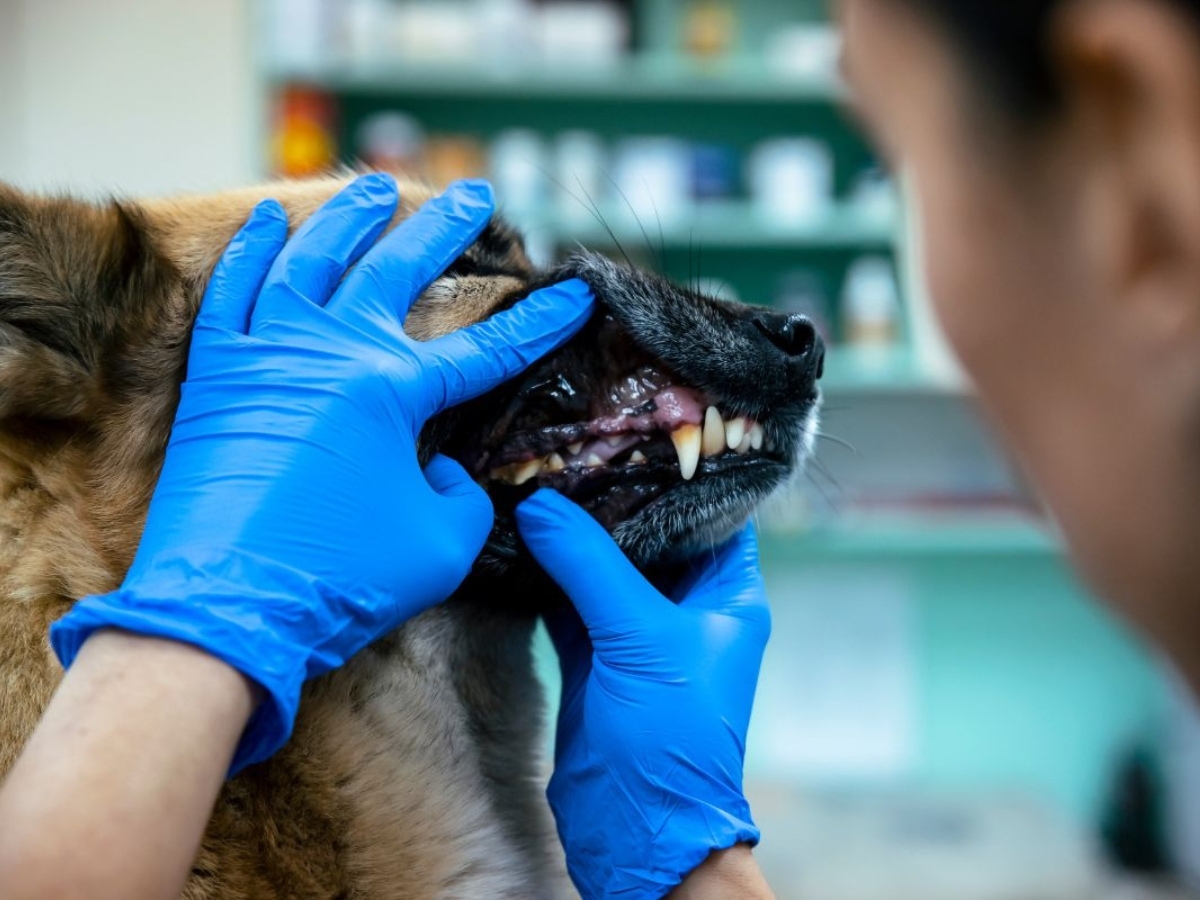
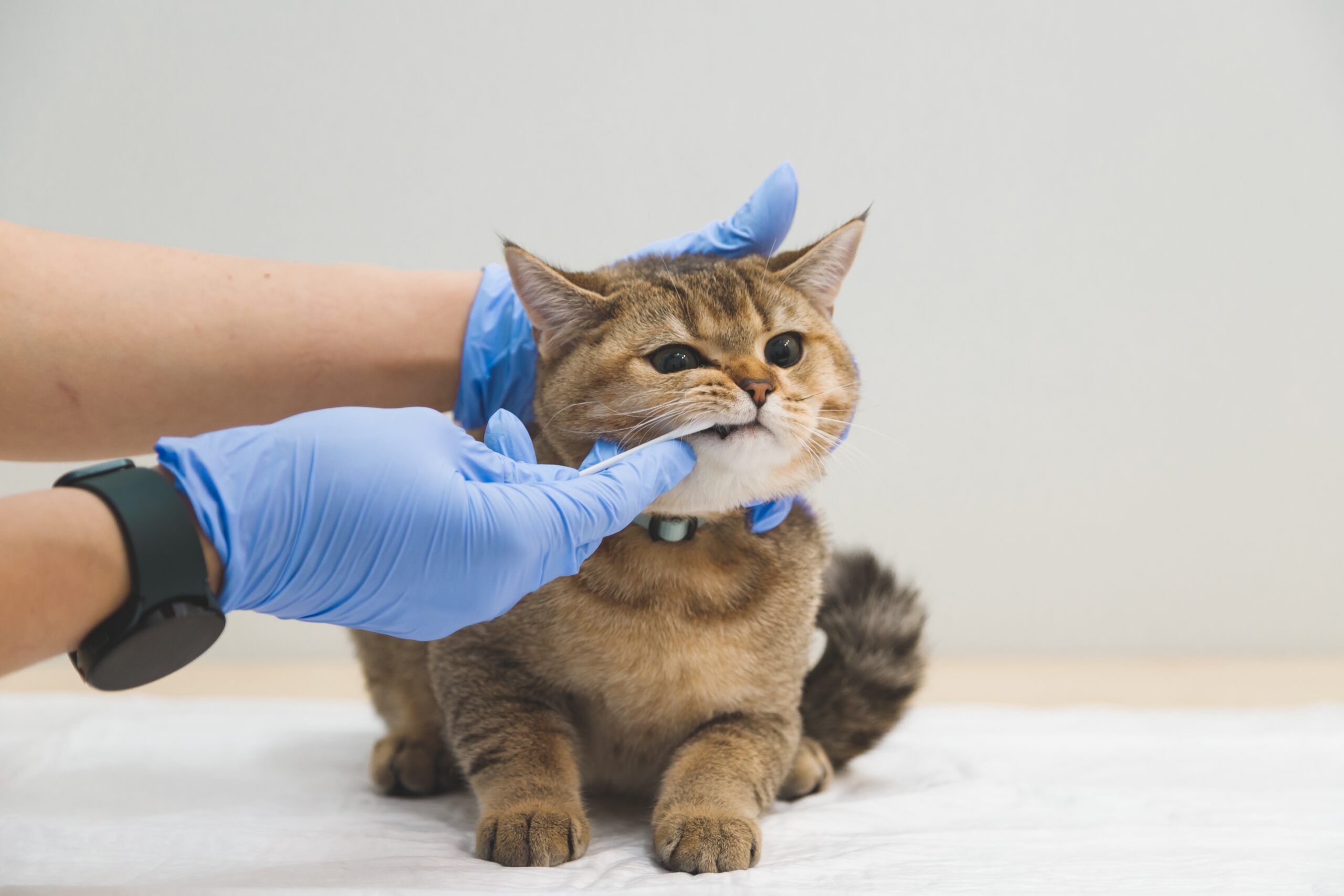
In this blog, we’ll explore the most common dental problems pets face and how veterinarians treat them. We’ll also cover what signs to look for and how to keep your pet’s smile healthy year-round.
Why Pet Dental Health Matters
Poor oral hygiene can cause bacteria to build up in your pet’s mouth, leading to periodontal disease. Maintaining good oral hygiene isn’t just cosmetic—it’s essential for your pet’s overall health and longevity.
Spotting the Signs of Dental Trouble
Pets can’t tell us when something hurts, so it’s important to watch for subtle signs of dental issues. Here are some common red flags:
- Bad breath (halitosis)
- Difficulty chewing or dropping food
- Red, swollen, or bleeding gums
- Yellow or brown buildup on teeth (tartar)
- Loose or missing teeth
- Pawing at the mouth
- Swelling around the mouth or jaw
Top Pet Dental Problems and What Causes Them
a. Periodontal Disease
This is the most common dental issue in pets and is caused by plaque buildup on the teeth. Over time, plaque hardens into tartar, which irritates the gums and leads to inflammation (gingivitis), infection, and bone loss around the teeth.
Causes:
- Lack of regular brushing
- Poor diet
- Genetics (some breeds are more prone)
Treatment:
Veterinarians perform a professional dental cleaning under anesthesia, scaling away plaque and tartar, followed by polishing. In advanced cases, tooth extraction may be needed.
b. Tooth Fractures
Chewing on hard toys, bones, or objects can cause teeth to crack or break, exposing the sensitive inner pulp and nerves.
Signs:
- Sudden pain or refusal to chew
- Sensitivity around the mouth
- Visible cracks or missing tooth pieces
Treatment:
Veterinarians may recommend avoiding hard chew toys in the future.
c. Retained Baby Teeth
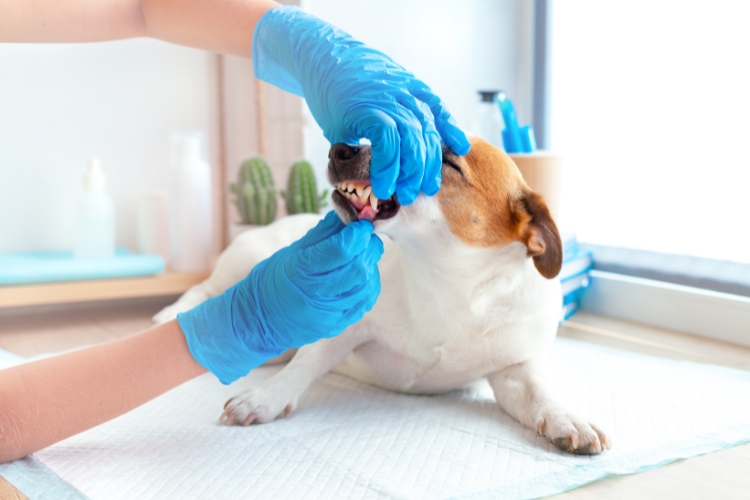
In some small-breed dogs, baby teeth don’t fall out as they should, leading to overcrowding, misalignment, and increased tartar buildup.
Treatment:
Retained baby teeth are typically extracted during spay/neuter surgery or a routine dental cleaning to avoid long-term issues.
d. Tooth Root Abscesses
Signs:
- Swelling under the eye or jaw
- Eye discharge
- Reluctance to eat
- Bad breath
Treatment:
Treatment usually involves antibiotics and the extraction of the affected tooth.
e. Oral Tumors
Unusual growths in the mouth could indicate benign or malignant tumors. Early detection is crucial for successful treatment.
Signs:
- Lumps or swelling in the mouth
- Excessive drooling
- Difficulty eating
- Bleeding
Treatment:
Treatment depends on the type of tumor and may include surgery, radiation, or other veterinary oncology options.
Treatment Options: What to Expect
Veterinary dental treatments often include:
- Dental Cleaning: Scaling, polishing, and sometimes fluoride treatments under anesthesia.
- Extractions: Removing diseased or damaged teeth that cannot be saved.
- Root Canal Therapy: In rare cases, this may be used to save a vital tooth.
- Antibiotics: For treating or preventing infections.
- Pain Management: Especially after extractions or in cases of advanced disease.
Prevention Is the Best Medicine
Keeping your pet’s teeth healthy starts at home. Here are some simple ways to prevent dental problems:
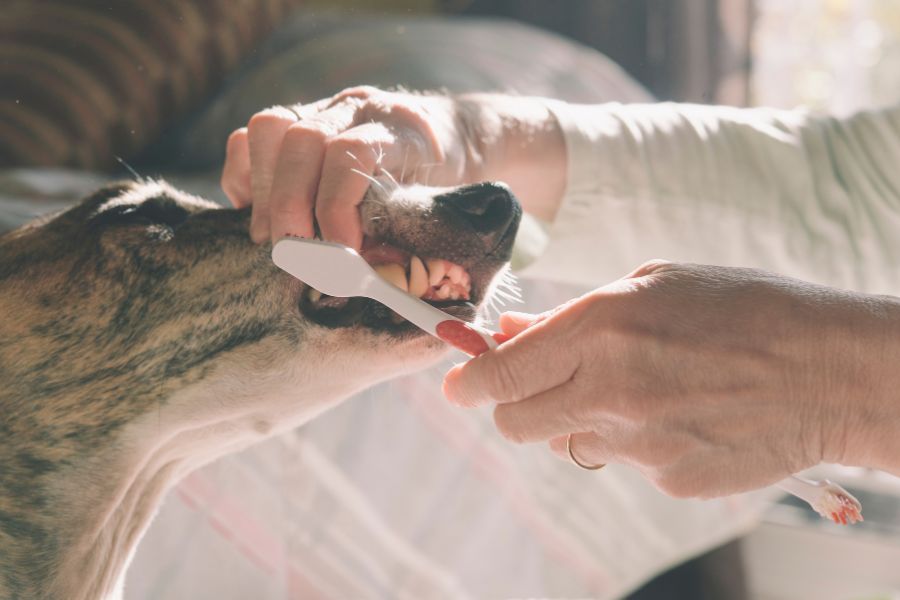
- Brush regularly: Use a pet-safe toothbrush and toothpaste. Aim for daily brushing, or at least 2-3 times a week.
- Dental treats and chews: Choose products approved by the Veterinary Oral Health Council (VOHC).
- Dental diets: Some pet foods are specially designed to reduce plaque.
- Avoid hard toys: Don’t let your pet chew on bones, antlers, or anything that could crack a tooth.
Breed-Specific Considerations
Some pets are more prone to dental problems due to genetics. For example:
- Small dog breeds (e.g., Chihuahuas, Yorkies): More likely to have overcrowded teeth and periodontal disease.
- Brachycephalic breeds (e.g., Bulldogs, Persians) often have misaligned teeth that trap food and bacteria.
These pets may need more frequent dental care and checkups.
When to See the Vet
Even with the best care at home, professional dental checkups are essential. Schedule a vet visit if your pet:
- Has persistent bad breath
- Is reluctant to eat or chew
- Shows signs of pain or swelling in the mouth
- Has never had a dental cleaning
Early intervention prevents complications, reduces costs, and helps your pet live a more comfortable life. Your pet’s dental health is just as important as their diet and exercise. By staying informed and proactive, you can help your furry friend avoid unnecessary pain and expensive procedures. Regular brushing, routine vet visits, and being alert to signs of dental trouble can go a long way in ensuring your pet’s smile stays bright and healthy for years to come.

Fast, Friendly Help
For New, Sick & Injured Pets!