


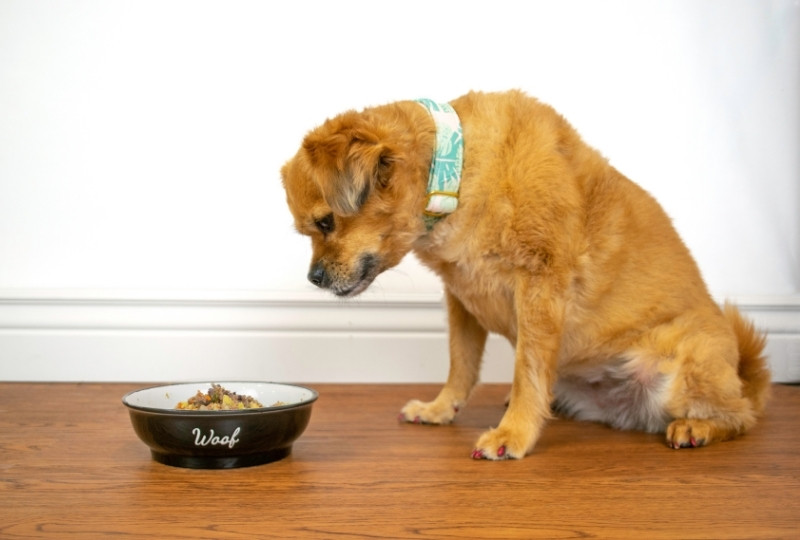
As our beloved dogs age, their nutritional needs change significantly. Just like humans, senior dogs require a diet tailored to their evolving health conditions to maintain vitality and quality of life. Choosing the healthiest diet for a senior dog can feel overwhelming due to the myriad of options available. However, understanding their specific requirements can help ensure your furry companion enjoys their golden years in good health.
Understanding the Nutritional Needs of Senior Dogs
Firstly, it’s important to recognize that aging dogs experience a slowdown in metabolism. This means they may require fewer calories than they did during their younger, more active years. Consequently, a senior dog’s diet should be adjusted to prevent unnecessary weight gain, which can exacerbate joint issues and other health problems.
Moreover, older dogs often face a decline in muscle mass and joint health. Therefore, their diet should support muscle maintenance and joint function. Foods rich in high-quality protein, essential fatty acids, vitamins, and minerals become crucial.
Key Components of a Healthy Senior Dog Diet
1. High-Quality Protein:
Protein helps preserve muscle mass, which tends to diminish with age. Opt for easily digestible, high-quality protein sources such as chicken, turkey, fish, or lamb. Maintaining muscle strength supports mobility and overall health.
2. Controlled Calories:
As activity levels decrease, so do calorie requirements. Feeding your senior dog fewer calories helps maintain a healthy weight and reduces the risk of obesity-related issues like diabetes and arthritis.
3. Healthy Fats:
Omega-3 and Omega-6 fatty acids promote healthy skin and coat while also supporting brain function and reducing inflammation in joints. Ingredients like fish oil or flaxseed oil are excellent additions.
4. Fiber:
Dietary fiber aids digestion and supports gut health, which is particularly important for aging dogs. A diet with adequate fiber helps regulate bowel movements and prevents constipation.
5. Joint Supplements:
Glucosamine and chondroitin supplements can be incorporated to maintain joint health and reduce arthritis pain.
6. Antioxidants:
Antioxidants, such as vitamins C and E, help combat oxidative stress and support the immune system, keeping your senior dog more resilient against diseases.
Types of Diets Suitable for Senior Dogs
Commercial Senior Dog Food:
Many pet food brands offer specially formulated senior dog diets that balance protein, fat, and calories. These foods often contain added joint supplements and antioxidants.
Homemade Diets:
Some owners prefer preparing homemade meals using lean meats, vegetables, and grains. If opting for this route, consulting a veterinary nutritionist ensures balanced nutrition.
Raw or Fresh Food Diets:
Raw diets or fresh-cooked meals can be beneficial if carefully balanced, focusing on high-quality protein and limited fillers. Always discuss such diets with your vet to avoid nutritional deficiencies.
Foods to Avoid for Senior Dogs
While senior dogs require more specific nutrition, some foods can harm them:
- Excessive fat or calories: Leads to obesity.
- High sodium: Can strain aging kidneys and heart.
- Artificial additives or preservatives: Might cause digestive upset.
- Toxic foods: Chocolate, grapes, onions, and garlic should always be avoided.
Tips for Transitioning to a Senior Dog Diet
Transitioning your dog’s diet should be gradual to prevent digestive upset. Over 7 to 10 days, slowly mix increasing amounts of the new food with the old one. Monitor your dog’s reaction, energy levels, and stool quality during this time.
Regular Vet Checkups to Tailor Diet Plans
Because every dog is unique, it’s crucial to consult your veterinarian when planning or changing your senior dog’s diet. They can recommend specific foods or supplements based on your dog’s health status, weight, and medical conditions.
In conclusion, the healthiest diet for a senior dog combines balanced nutrition with appropriate calorie control to maintain an ideal weight, support joint health, and enhance overall well-being. Including high-quality proteins, healthy fats, fiber, and antioxidants can significantly improve your dog’s quality of life as they age. If you live in Tarpon Springs, FL, and want personalized guidance on senior dog nutrition, don’t hesitate to explore senior dog care in Tarpon Springs, FL. Expert professionals can help tailor a diet and care plan that meets your senior dog’s unique needs.



Fast, Friendly Help
For New, Sick & Injured Pets!