


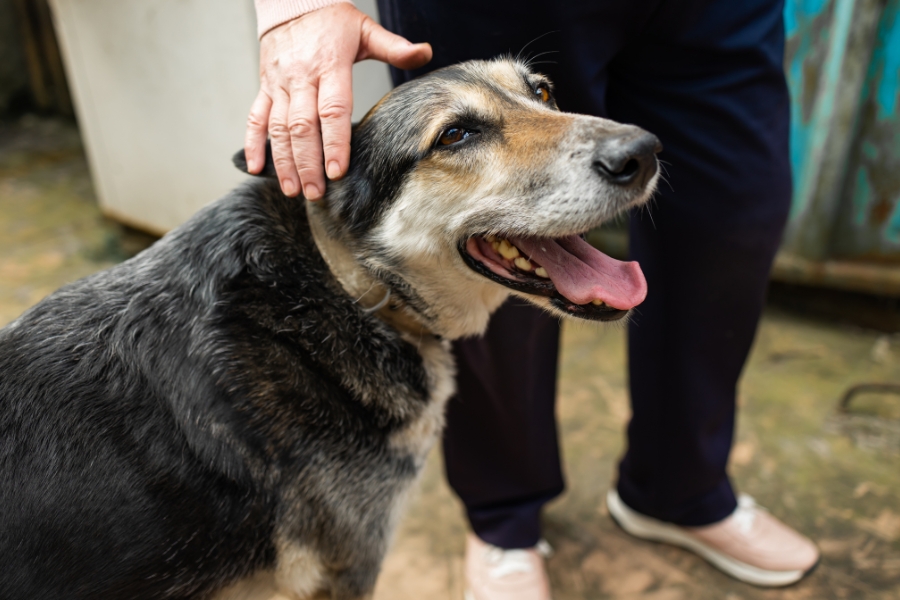
As dogs grow older, their needs begin to change. Senior pets require extra attention, more frequent wellness checks, and a lifestyle that supports their aging bodies. Fortunately, with the right approach, you can help your older dog enjoy a long, comfortable, and fulfilling life. In this guide, you’ll discover seven essential tips to keep your senior dog healthy and happy—starting today.
1. Schedule Regular Veterinary Checkups
As your dog ages, consistent veterinary care becomes even more important. Senior pets often develop age-related conditions such as arthritis, heart disease, diabetes, or kidney issues. Therefore, scheduling wellness exams every six months helps detect problems early and improves your dog’s quality of life.
During these visits, your veterinarian may recommend blood tests, dental evaluations, and other diagnostics to track your dog’s overall health. Early detection can make treatment more effective and prevent complications later on.
2. Provide a Balanced, Age-Appropriate Diet
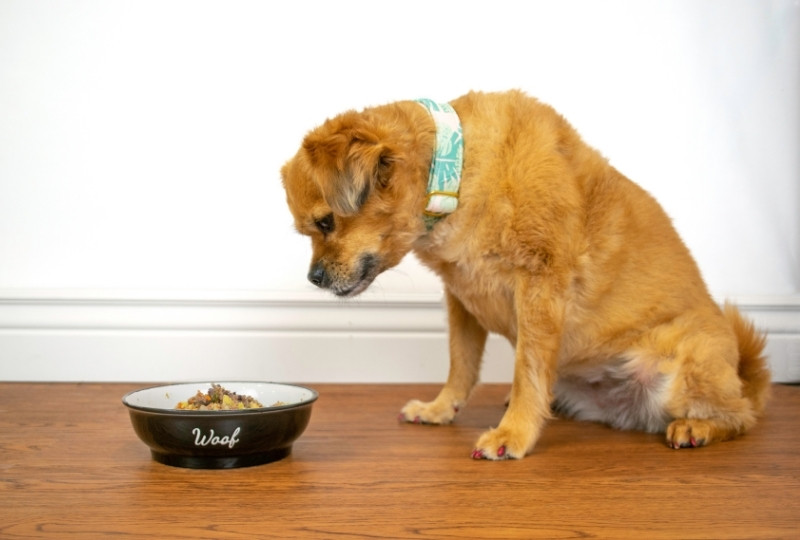
Nutrition plays a vital role in senior dog health. Older dogs have different dietary needs compared to younger, active pets. They may require fewer calories, increased fiber, and specific nutrients to support joint health and cognitive function.
Look for senior dog food formulas enriched with:
- Omega-3 fatty acids
- Glucosamine and chondroitin
- Antioxidants
- L-carnitine
Additionally, consult your veterinarian before making any dietary changes. This ensures you choose the best formula for your dog’s breed, size, and health conditions.
3. Incorporate Daily, Low-Impact Exercise
Although your senior dog may not have the same energy level as before, regular physical activity is still essential. Exercise helps maintain muscle tone, supports joint health, and prevents obesity, which is a common issue among aging pets.
Instead of long or strenuous activities, consider low-impact exercises, such as:
- Gentle walks
- Swimming
- Short play sessions
Always observe your dog for signs of fatigue or discomfort, and adjust the activity level accordingly.
4. Maintain Strong Joint and Mobility Support
Arthritis and mobility problems are common in older dogs. To help reduce stiffness and maintain mobility, provide joint supplements like glucosamine, fish oil, and MSM (methylsulfonylmethane). Additionally, orthopedic dog beds can offer better comfort by relieving pressure on joints.
You can also consider adding carpet runners or non-slip mats in areas where your dog frequently walks. These small adjustments will help prevent falls and make daily movement easier.
5. Keep Up With Dental Care
Dental health significantly affects senior dog wellness. Poor oral hygiene can lead to gum disease, tooth pain, and even systemic infections affecting the liver, kidneys, or heart.
To support your dog’s dental health:
- Brush their teeth regularly
- Use dental chews
- Schedule professional cleanings
- Consider dental rinses or water additives
Because dental disease develops gradually, prevention is always more effective than treatment.
6. Support Mental Stimulation and Emotional Well-Being
Just like humans, dogs can experience cognitive decline as they age. Consequently, it’s crucial to keep your senior dog’s brain active. Provide mental stimulation through:
- Puzzle toys
- Training sessions
- New walking routes
- Interactive games
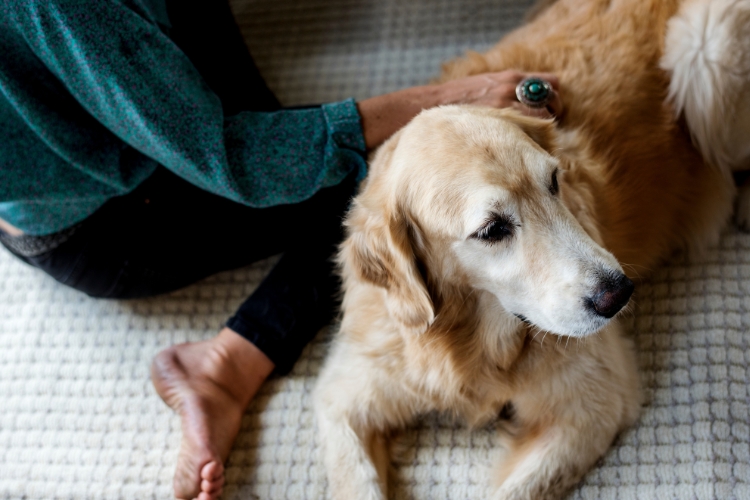
Furthermore, emotional well-being is equally important. Spend quality time with your dog, offer gentle affection, and maintain a predictable daily routine. Stability reduces anxiety and helps your senior pet feel safe and loved.
7. Create a Comfortable Home Environment
Making your home senior-friendly can drastically improve your dog’s comfort. Start by ensuring they have warm, soft bedding in a quiet area. If your dog struggles with stairs, consider adding ramps or relocating their favorite resting spots to more accessible locations.
Moreover, keep their essentials—like water bowls, food, and toys—within easy reach. These small changes make everyday life more manageable for your older companion.
Caring for a senior dog requires compassion, attentiveness, and the willingness to adjust their lifestyle as they age. By following these essential tips, you can help your dog remain active, comfortable, and emotionally fulfilled. If you’re seeking expert senior dog care in Tarpon Springs, FL, Anclote Animal Hospital is dedicated to supporting your pet’s health through every stage of life.
FAQs
Q1. How often should I take my senior dog to the vet?
Ans. It’s recommended to visit the vet every 6 months for senior dogs. Regular checkups help detect any health issues early and keep your dog in good shape.
Q2. What should I feed my senior dog?
Ans. Senior dogs require a balanced diet tailored to their age and activity level. Look for foods specifically designed for older dogs with fewer calories and added joint support.
Q3. What are the signs that my senior dog has arthritis?
Ans. Signs of arthritis in dogs include limping, reluctance to jump or climb stairs, stiffness, and difficulty getting up. Consult your vet if you notice these symptoms.
Q4. How can I help my senior dog with joint pain?
Ans. You can help your senior dog by providing joint supplements, an orthopedic bed, and low-impact exercise. Your vet may also recommend pain management solutions.
Q5. How can I mentally stimulate my senior dog?
Ans. Keep your dog mentally engaged with puzzle toys, scent games, and basic training exercises. These activities will keep their mind sharp and help prevent cognitive decline.
Q6. Can senior dogs still enjoy exercise?
Ans. Yes, but exercise should be gentle and adapted to your dog’s physical abilities. Short, regular walks and light playtime are great ways to keep your senior dog fit and happy.

Fast, Friendly Help
For New, Sick & Injured Pets!