


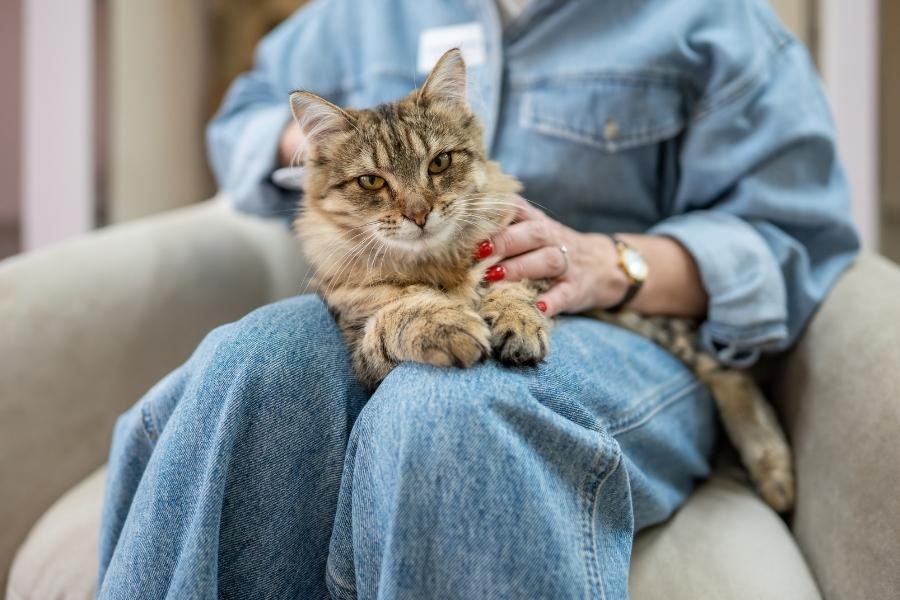
As cats age, their needs change, and they may require extra attention to maintain their health and happiness. Senior cats are often overlooked when it comes to care, but with the right approach, you can help your feline friend live a long, healthy life. In this blog, we’ll discuss the key tips and strategies to keep your senior cat healthy, happy, and comfortable as they enter their golden years. This blog is especially for pet owners in Tarpon Springs, FL, who want to ensure their senior cats receive the best care possible.
Understanding Senior Cat Care
As cats age, their bodies undergo natural changes, and they may face health challenges such as arthritis, dental issues, and kidney problems. Senior cats are typically defined as those aged 7 or older, but some cats may experience the effects of aging earlier than others. Regular veterinary care, a balanced diet, and modifications to their living environment are essential to helping senior cats stay healthy and comfortable.
In Tarpon Springs, FL, where the climate can affect your cat’s health, it’s important to provide additional care, such as keeping your cat hydrated during warmer months and adjusting their diet to meet their specific needs. Now, let’s explore some of the key tips to keep your senior cat in the best possible health.
1. Regular Vet Checkups Are Essential
Routine veterinary visits are crucial for senior cat care. As cats age, they become more susceptible to health problems like kidney disease, arthritis, and dental issues. Regular checkups allow your veterinarian to monitor your cat’s health and detect any potential problems early on.
How It Helps:
Annual or bi-annual visits are essential for preventing serious health issues. Your vet can run blood tests, check for early signs of kidney or liver disease, and perform a full physical exam to ensure your cat’s overall well-being. These visits also allow your vet to discuss any behavioral changes or concerns you may have, such as reduced activity or changes in appetite.
2. Monitor Their Weight and Diet
Weight management becomes increasingly important as your cat ages. Senior cats may be more prone to obesity, which can lead to other health issues such as arthritis, diabetes, or heart disease. On the other hand, some senior cats may lose weight due to dental problems or digestive issues. A balanced diet tailored to your cat’s specific needs is essential for maintaining their health.
How It Helps:
Consult with your veterinarian to choose the right food for your senior cat, one that is easy to digest and supports their aging body. Your vet may recommend foods specifically formulated for senior cats, which contain the right balance of nutrients to support their joints, skin, and overall health. If your cat is overweight, portion control and a higher-quality diet will help manage their weight. Conversely, if they are underweight, your vet can recommend calorie-dense foods and supplements to help them regain their strength.
3. Joint Care and Arthritis Management
Arthritis is a common issue for senior cats, especially if they have been active throughout their lives. It can cause pain, stiffness, and a decrease in mobility, making it harder for your cat to perform basic activities like jumping, climbing, or grooming. Providing the right support for your cat’s joints is essential for their comfort and well-being.
How It Helps:
Your veterinarian may recommend joint supplements such as glucosamine and chondroitin to help support your cat’s joint health. Additionally, there are medications available that can help manage pain and inflammation. Encouraging gentle exercise and providing comfortable resting places will help keep your cat mobile and reduce discomfort. Senior cat care also includes providing soft, supportive bedding for your cat to rest on.
4. Dental Care for Senior Cats
Dental health is often overlooked, but it’s an essential part of senior cat care. Cats can develop dental disease as they age, which can cause pain, tooth loss, and even systemic health issues. Gum disease and tooth decay can lead to infections that affect vital organs like the heart and kidneys.
How It Helps:
Regular dental checkups are vital for detecting and treating dental issues. Your veterinarian can perform dental cleanings, extractions, or offer advice on how to care for your cat’s teeth at home. Brushing your cat’s teeth regularly with a toothbrush designed for cats can help prevent plaque buildup. Additionally, dental treats and specialized food can help maintain your cat’s oral health and freshen their breath.
5. Provide a Comfortable Environment
As cats age, they may experience a decline in mobility and may find it harder to navigate around the house. It’s important to provide a comfortable and accessible environment to make their daily activities easier.
How It Helps:
Place your cat’s litter box, food, and water bowls in easily accessible areas. If your cat struggles to climb onto furniture or navigate stairs, consider providing ramps or steps to help them access their favorite spots. Make sure they have soft, warm bedding that supports their joints and keeps them comfortable. Reducing stress and ensuring your cat feels secure in their environment is key to their well-being.
6. Keep Them Hydrated
Dehydration can be a significant concern for senior cats, especially those with kidney disease or other health issues. Cats, by nature, aren’t always inclined to drink water, but proper hydration is essential to their overall health.
How It Helps:
Encourage your cat to drink more water by providing fresh, clean water at all times. You can also consider using a pet water fountain, as many cats are attracted to running water. Wet food can also help increase your cat’s water intake. If your senior cat has kidney disease or another condition that affects their hydration levels, your veterinarian may recommend subcutaneous fluids to help maintain hydration.
7. Monitor Behavior and Mental Health
Just like physical health, your cat’s mental health is equally important. Senior cats may experience cognitive dysfunction, which is similar to dementia in humans. Symptoms include confusion, disorientation, difficulty navigating, and changes in behavior.
How It Helps:
If you notice that your senior cat is acting differently, consult your veterinarian. There are medications and supplements available that can help manage cognitive dysfunction and improve your cat’s quality of life. Keeping your cat mentally stimulated with interactive toys, puzzles, and quality time will help keep them engaged and happy in their later years.
Caring for a senior cat requires extra attention and a tailored approach to their needs. With regular veterinary visits, a balanced diet, dental care, joint management, and a comfortable living environment, you can help your senior cat live a long, happy, and healthy life. If you are in Tarpon Springs, FL, and looking for senior cat care, book an appointment with Anclote Animal Hospital. Our veterinary team is here to ensure your senior cat receives the best care possible during their golden years.
FAQs
Q1. How can I tell if my cat is in pain due to arthritis?
Signs of arthritis in cats include limping, difficulty jumping, stiffness, and reduced activity. If you notice these symptoms, consult your veterinarian for advice and treatment.
Q2. Can I feed my senior cat the same food as when they were younger?
No, senior cats have different nutritional needs. Consult your veterinarian for the best food options designed for older cats to support their health and manage weight.
Q3. How often should I take my senior cat to the veterinarian?
Senior cats should visit the vet at least twice a year for regular checkups. Your vet will monitor their health, including joint issues, kidney function, and dental care.
Q4. Are there special considerations for senior cats with kidney disease?
Yes, senior cats with kidney disease need a special diet and regular monitoring. Your veterinarian may recommend low-protein food and additional hydration to manage the condition.
Q5. How can I keep my senior cat mentally stimulated?
Provide interactive toys, puzzles, and spend quality time playing with your cat. Mental stimulation helps keep your senior cat’s mind sharp and can reduce signs of cognitive dysfunction.
Q6. Can I give my senior cat treats?
Yes, but ensure they are healthy and suitable for senior cats. Overfeeding treats can lead to weight gain, so use them in moderation and opt for treats that support dental health or contain beneficial nutrients.




Fast, Friendly Help
For New, Sick & Injured Pets!