


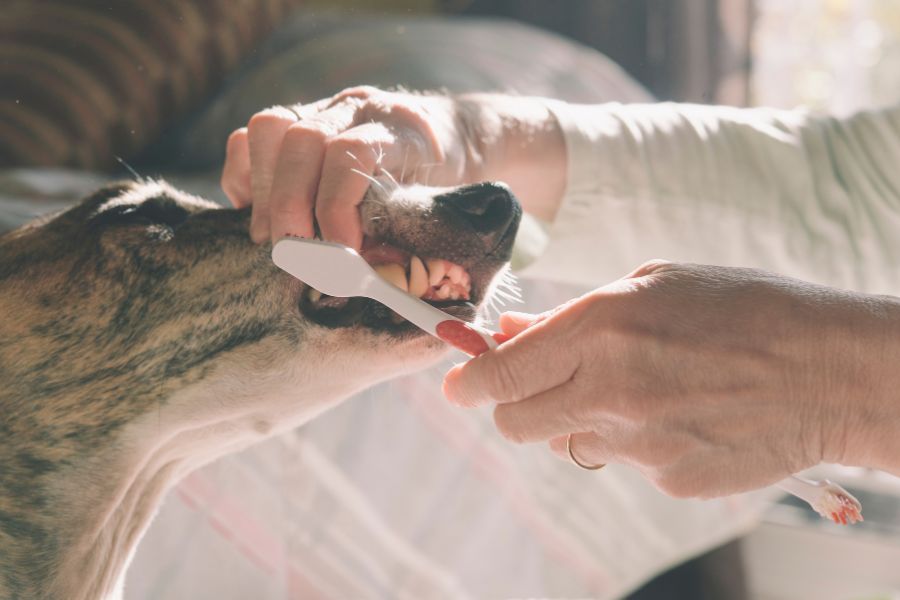
When was the last time you looked closely at your dog’s or cat’s teeth?
Many pet owners focus on food, exercise, and vaccinations, but oral health often gets overlooked. The truth is that pet dental disease is one of the most common health problems seen in dogs and cats across the United States. By age three, most pets show some signs of dental trouble. Left untreated, these problems can lead to pain, tooth loss, and even issues affecting the heart, liver, and kidneys.
The good news is that most dental conditions are preventable or manageable with early care. This guide breaks down the most prevalent dental conditions in dogs and cats, what causes them, how to spot them early, and what you can do to protect your pet’s health.
Why Oral Health Matters More Than You Think
Your pet uses their mouth every day—for eating, playing, grooming, and exploring. A healthy mouth supports proper nutrition and overall comfort. When dental problems develop, pets often hide their pain. By the time symptoms are obvious, the condition may already be advanced.
Bacteria in the mouth form plaque. If plaque is not removed, it hardens into tartar. Over time, this buildup irritates the gums and damages the tissues supporting the teeth. That is how pet dental disease begins.
Routine pet dental care is not cosmetic. It is preventive health care that protects your pet’s quality of life.
The Most Common Dental Conditions in Dogs
1. Periodontal Disease
Periodontal disease is the most frequently diagnosed dental condition in dogs. It starts with plaque and progresses to gum inflammation, bone loss, and tooth damage.
Early signs include:
- Bad breath
- Red or swollen gums
- Yellow or brown tartar on teeth
Advanced signs include:
- Loose teeth
- Bleeding gums
- Difficulty eating
- Swelling around the mouth
Small-breed dogs are at higher risk because their teeth are crowded, allowing plaque to build up more easily.
If caught early, professional cleaning and improved home care can slow progression. In advanced cases, extractions may be necessary to relieve pain.
2. Tooth Fractures
Dogs love to chew. Hard objects like bones, antlers, or rocks can crack or break teeth. A fractured tooth exposes sensitive inner tissue, which can lead to infection.
Signs of a broken tooth may include:
- Chewing on one side
- Dropping food
- Pawing at the mouth
- Sudden reluctance to chew toys
Treatment depends on the severity of the fracture. Some teeth can be repaired, while others require removal.
3. Retained Baby Teeth
In some puppies, baby teeth do not fall out when adult teeth come in. This leads to crowding and traps food and bacteria between teeth.
Retained teeth should be removed to prevent future dental issues and alignment problems.
The Most Common Dental Conditions in Cats
Cats face many of the same problems as dogs, but they also have unique dental conditions.
1. Feline Odontoclastic Resorptive Lesions (FORLs)
This painful condition occurs when the tooth structure begins to break down from the inside. It is common in adult cats.
Signs may include:
- Drooling
- Chattering jaw
- Sudden sensitivity when eating
- Avoiding dry food
These lesions are often hidden below the gumline and require dental X-rays to diagnose. Extraction is usually the recommended treatment to eliminate pain.
2. Gingivitis and Periodontal Disease
Cats are highly prone to gum inflammation. Gingivitis can develop quickly, especially if plaque is not removed regularly.
Symptoms include:
- Red gum lines
- Bleeding when eating
- Bad breath
- Reduced appetite
Untreated gum inflammation can progress to full periodontal disease, damaging bone and leading to tooth loss.
3. Stomatitis
Stomatitis is a severe inflammatory condition affecting a cat’s mouth. It causes intense pain and difficulty eating.
Signs may include:
- Excessive drooling
- Weight loss
- Crying when eating
- Hiding or irritability
Treatment varies and may involve medication, dental cleaning, or tooth extraction, depending on severity.
Warning Signs Pet Owners Should Never Ignore
Pets rarely complain. That is why recognizing subtle changes matters.
Watch for:
- Persistent bad breath
- Changes in eating habits
- Dropping food
- Swelling under the eyes
- Bleeding from the mouth
- Behavior changes such as irritability or withdrawal
If you notice any of these signs, your pet may already be uncomfortable. Early evaluation helps prevent long-term damage.
How Dental Disease Affects Overall Health
Dental infections do not stay in the mouth. Bacteria can enter the bloodstream and affect major organs.
Chronic oral infection may contribute to:
- Heart disease
- Kidney disease
- Liver complications
Pain also affects behavior and appetite. Pets may eat less, lose weight, or avoid interaction. Addressing oral health improves comfort and supports whole-body wellness.
Diagnosis: What to Expect at a Dental Exam
A thorough dental evaluation includes:
- Visual inspection of teeth and gums
- Checking for loose or damaged teeth
- Assessing gum recession
- Dental X-rays, when needed
X-rays are important because many dental issues develop below the gumline. A tooth may look normal on the surface but have root damage underneath.
Clear communication from your veterinary team helps you understand findings and recommended next steps. Ask questions and request explanations if something is unclear. Transparent care builds trust and leads to better outcomes.
Treatment Options for Common Dental Problems
Treatment depends on the condition and severity.
- Professional Dental Cleaning
A professional cleaning removes plaque and tartar above and below the gumline. This is the foundation of preventive care.
- Tooth Extraction
When a tooth is severely damaged or infected, removal may be the best way to relieve pain.
- Antibiotics and Pain Relief
Infections may require medication. Pain control is important for recovery and comfort.
- Advanced Procedures
In some cases, root canals or surgical procedures are recommended to save or treat affected teeth.
The goal is always to restore comfort and prevent further disease progression.
Prevention: Building a Simple Home Routine
The most effective way to reduce risk is consistent pet dental care at home.
Here is what works:
- Brush Your Pet’s Teeth
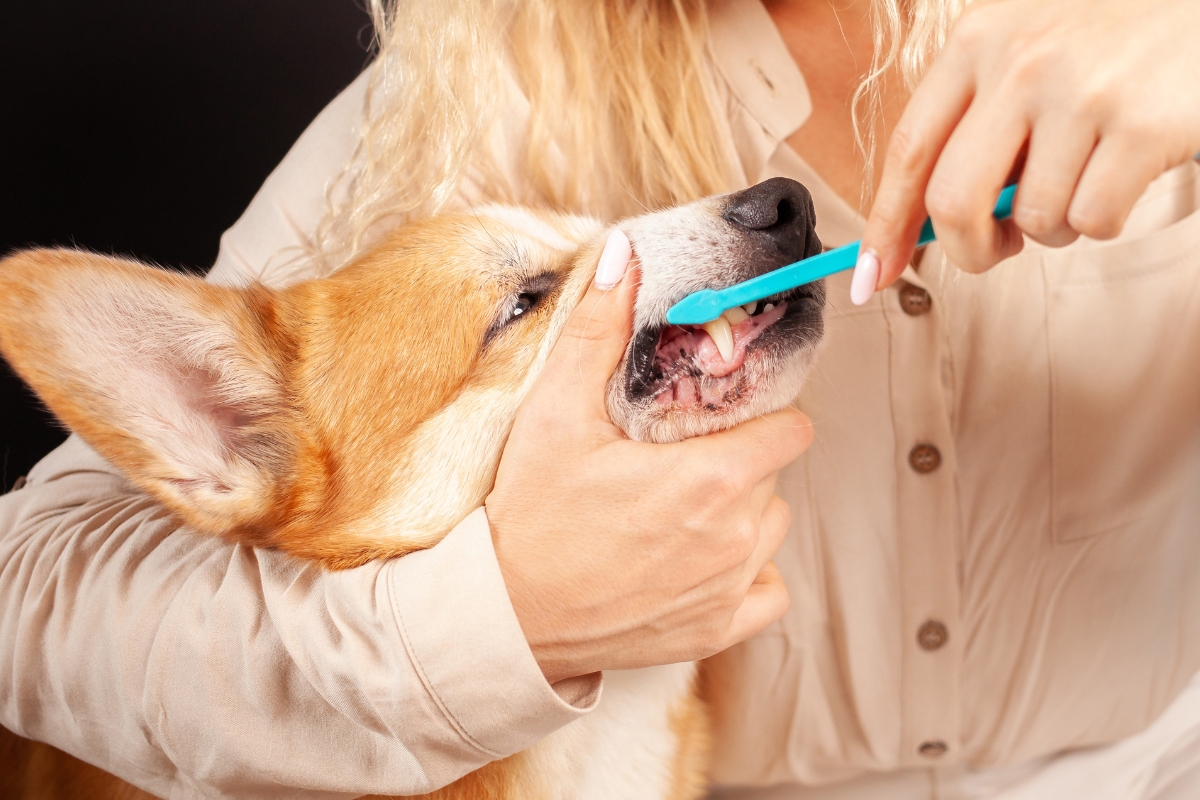
Daily brushing is the gold standard. Use a pet-safe toothpaste and a soft brush. Start slowly and reward calm behavior.
- Offer Dental Chews
Choose products approved by veterinary dental associations. Avoid extremely hard items that can crack teeth.
- Provide a Balanced Diet
Some dental diets help reduce plaque buildup.
- Schedule Regular Checkups
Annual or semiannual exams allow early detection of pet dental disease before it becomes severe.
Small daily steps make a major difference over time.
Creating a Long-Term Dental Plan
Every pet has different needs based on age, breed, and health history. Puppies and kittens benefit from early oral exams to monitor development. Adult pets need regular monitoring. Senior pets may require more frequent assessments.
Ask your veterinarian to outline:
- How often are cleanings needed
- What signs to monitor at home
- Safe chewing options
- When dental X-rays are recommended
Clear guidance removes guesswork and helps you stay proactive.
Conclusion: Protecting Your Pet’s Smile Starts Today
Dental conditions in dogs and cats are common, but they are also manageable. Ignoring oral health leads to pain, infection, and preventable complications. Paying attention to early warning signs and committing to consistent pet dental care protects your pet’s comfort and overall health.
If you notice bad breath, gum redness, or changes in eating habits, do not wait. A professional evaluation provides answers and a clear treatment plan. Take the next step and schedule a consultation with us to ensure your pet’s mouth stays healthy for years to come.
Your pet relies on you to notice what they cannot say.
Frequently Asked Questions
1. How common is dental disease in dogs and cats?
Very common. Most dogs and cats show signs of dental issues by age three. Regular exams help detect problems early.
2. How often should my pet have a professional dental cleaning?
Many pets benefit from yearly cleanings. Some small breeds or high-risk pets may need them more often.
3. Is bad breath always a sign of dental disease?
Persistent bad breath usually signals bacterial buildup or infection. It should not be ignored.
4. Can I use human toothpaste to brush my pet’s teeth?
No. Human toothpaste contains ingredients that are not safe for pets. Use products made for dogs and cats.
5. Are dental treats enough to prevent problems?
Dental treats help, but they do not replace brushing or professional cleanings.
6. What happens if dental disease is left untreated?
Untreated pet dental disease can lead to tooth loss, chronic pain, and infections that may affect major organs.

Fast, Friendly Help
For New, Sick & Injured Pets!