


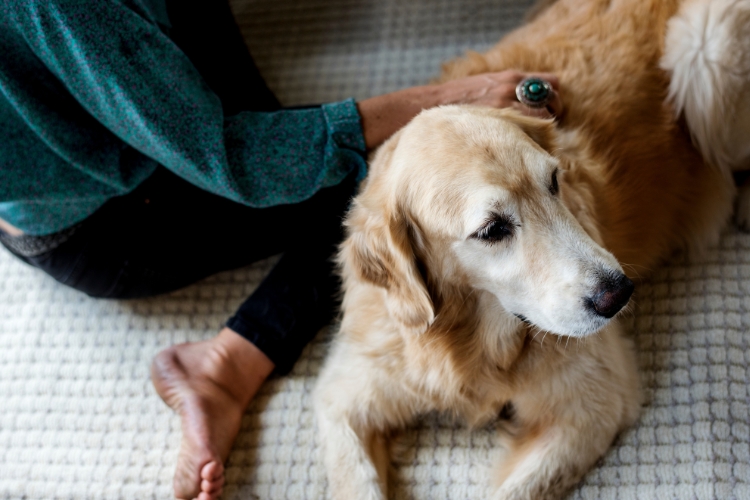
As your beloved pet ages, it’s natural for you to want to provide them with the best care possible. Senior pets often face different health challenges than younger animals, making it crucial to adjust their care routines to address these differences. Whether it’s slower movements, decreased energy, or dietary changes, managing your pet’s health is essential for ensuring they live their golden years comfortably and happily.
This blog is especially for pet owners in Tarpon Springs, FL, who are looking to manage their senior pet’s health more effectively. In this guide, we’ll share veterinarian-approved tips to help you care for your senior dog or cat. From maintaining a healthy weight to managing chronic conditions, you’ll find everything you need to know to ensure your pet stays happy and healthy well into their senior years.
Exploring the Unique Needs of Your Aging Pet
Senior pets, usually defined as those over 7, often face unique health challenges that can affect their mobility, diet, and overall well-being. Just like humans, pets undergo age-related changes, including slower metabolism, decreased energy levels, and the potential development of chronic health conditions like arthritis, dental disease, and heart problems.
Recognizing these signs early on can significantly improve your pet’s quality of life. Providing regular checkups and adjusting their senior pet care routine can help address these issues before they become more serious. Let’s explore some practical tips for managing your older pet’s health to help them live a long and comfortable life.
Tips for Managing Senior Pet Health
1. Regular Veterinary Checkups Are Essential
Routine veterinary checkups are essential for detecting health issues early in aging pets. As pets age, they become more susceptible to conditions like arthritis, diabetes, and dental disease. A veterinary exam every six months will help catch any potential issues before they become serious. Additionally, your vet can offer advice on how to adjust your pet’s diet, exercise, and overall care based on their health status.
2. Adjust Their Diet for Older Pets
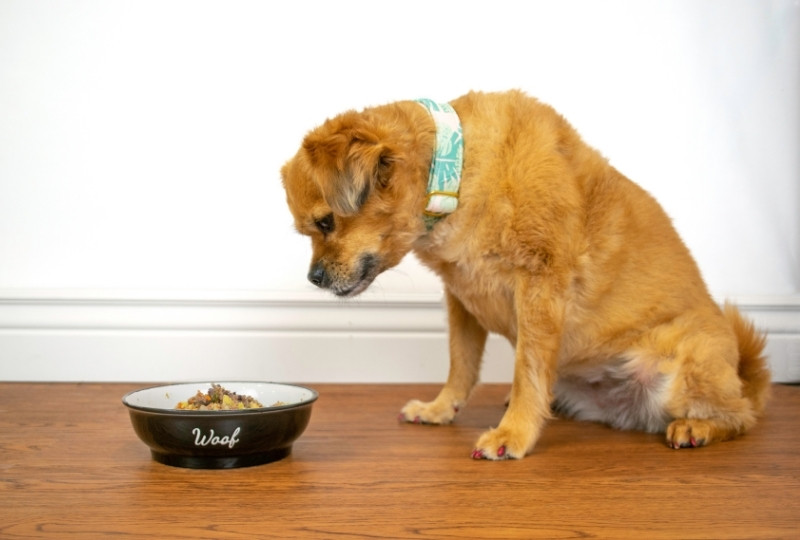
As pets age, their nutritional needs change. Senior pets may not require as many calories, but they still need high-quality food to maintain healthy muscles, joints, and organs. Talk to your veterinarian about a diet for older pets that’s specifically formulated to address their unique health needs. Senior pet foods are often lower in calories and higher in fiber to help manage weight while providing essential nutrients for energy.
Some pet foods also include ingredients to support joint health (like glucosamine), dental health, and heart health (such as omega-3 fatty acids). Make sure you’re offering the right portion sizes and adjusting their meals as needed.
3. Encourage Regular but Moderate Exercise
Just because your pet is getting older doesn’t mean they should stop moving. Exercise is crucial for maintaining muscle mass, joint health, and overall mobility. However, it’s important to adjust your senior pet’s exercise routine to suit their energy levels and physical condition.
If your pet suffers from arthritis or other joint issues, opt for low-impact exercises like short walks or swimming. These activities will keep them active without putting too much strain on their joints. Regular but moderate exercise helps reduce the risk of obesity and promotes mental stimulation as well.
4. Monitor Their Weight
Obesity is a common problem in aging pets, which can worsen conditions like arthritis and heart disease. Keeping your pet at a healthy weight can improve their mobility, reduce pain, and help prevent further complications. Your veterinarian can help you determine the ideal weight for your pet and develop a plan to maintain it.
5. Provide Joint Support
As pets age, they may develop joint pain from arthritis or wear and tear on their bones, which can affect their ability to walk, jump, and play. Providing joint supplements containing glucosamine and chondroitin can help support your pet’s joint health and reduce pain and inflammation. Additionally, providing them with a comfortable, supportive bed can help alleviate pressure on their joints while they rest.
6. Watch for Changes in Behavior
Changes in behavior can indicate underlying health problems in aging pets. For example, if your usually active dog suddenly becomes lethargic or a normally independent cat becomes clingy, it could be a sign that something is wrong. Aging pets may also develop cognitive dysfunction, similar to dementia in humans, which can affect their memory and behavior.
Keep an eye out for signs such as confusion, disorientation, or trouble with house training. These could be signs of cognitive decline and should be discussed with your vet. Early detection of behavioral changes can help manage conditions such as senior pet dementia and improve their quality of life.
7. Maintain Oral Health
Oral health is often neglected, but it remains just as important in aging pets as in younger animals. Dental disease is common in aging pets and can lead to painful gum disease, tooth loss, and other serious health issues. Regular brushing, dental treats, and professional cleanings can help prevent dental problems in your senior pet. It’s essential to monitor your pet’s teeth and gums and seek professional care if you notice any signs of discomfort, such as bad breath, drooling, or difficulty eating.
8. Keep Their Environment Comfortable
Making small adjustments to your pet’s living space can help improve their comfort as they age. Senior pets may face difficulty climbing stairs or jumping onto high surfaces, so providing ramps, pet stairs, or orthopedic beds can help them move more easily. Make sure your pet’s environment is free from hazards that could cause falls or injuries.
A soft, supportive bed can help ease joint discomfort, and a quiet, comfortable space will give your pet a peaceful place to rest. These simple changes can significantly improve their overall comfort.
How Senior Pet Care Impacts Their Health and Well-Being
The health and well-being of senior pets are directly linked to the quality of care they receive. By addressing the specific needs of older animals, such as regular vet visits, proper nutrition, and exercise, pet owners can help reduce the risk of chronic diseases, manage age-related conditions, and ensure their pets are happy and comfortable.
Regular care also helps detect health issues early, which can lead to better outcomes and a longer, healthier life for your pet. The more proactive you are in monitoring their health, the better equipped you’ll be to address any challenges that arise.
Caring for Your Senior Pet’s Health for Years to Come
Caring for an aging pet requires attention to their changing needs, but with the right care, your furry friend can continue to lead a happy and healthy life well into their golden years. By implementing the tips above, you can help your senior pet manage weight, maintain mobility, and prevent serious health issues.
Remember, as a pet parent, you play a crucial role in managing your pet’s health. By making small adjustments to their diet, exercise routine, and environment, you can ensure they remain comfortable and vibrant during their senior years.
If you’re in Tarpon Springs and need help from a veterinarian near you to manage your senior pet’s health, schedule a consultation with Anclote Animal Hospital to assist with all your pet care needs. Schedule an appointment today to give your older pet the care they deserve. Don’t wait any longer and contact us now to secure your pet’s health and happiness for years to come!
Frequently Asked Questions
Q1: At what age is my pet considered a senior?
Pets are generally considered seniors at around 7 years of age, but this can vary depending on the breed and size of your pet.
Q2: What are the most common health problems in aging pets?
Common health issues in aging pets include arthritis, dental disease, heart disease, and kidney failure.
Q3: How can I help my senior pet lose weight?
Ensure your pet’s diet is portioned appropriately, and engage them in regular, low-impact exercise like short walks.
Q4: Should I switch my pet to senior pet food?
Yes, senior pet food is formulated to address the unique needs of aging pets, including fewer calories and more nutrients for joint and heart health.
Q5: How do I know if my pet is in pain?
Signs of pain in pets can include reluctance to move, limping, changes in behavior, and difficulty eating or grooming.
Q6: Can senior pets still play and exercise?
Yes, senior pets can still enjoy exercise, but it should be adapted to their abilities. Short walks and gentle play are ideal for older pets.

Fast, Friendly Help
For New, Sick & Injured Pets!