


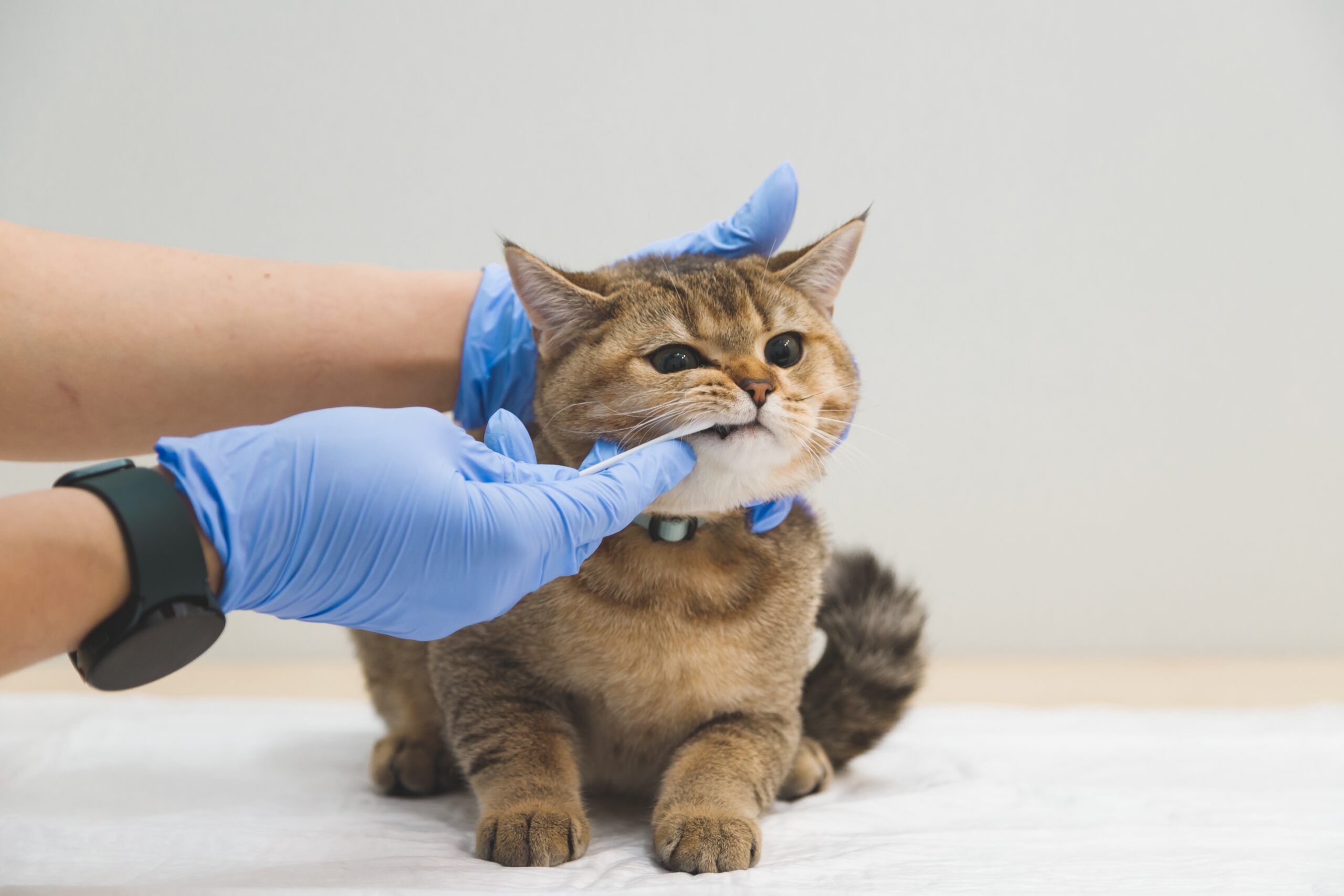
When you welcome a feline companion into your home, you quickly become accustomed to their daily routines. From lazy afternoon naps in sunlit patches to enthusiastic greetings at mealtime, cats bring immense joy to our lives. However, pet ownership also comes with the responsibility of monitoring aspects of health that our pets cannot communicate verbally. One of the most frequently overlooked areas of feline wellness is oral hygiene. Because cats are masters at masking discomfort, dental problems often progress quietly beneath the surface until they cause severe distress.
Understanding the principles of cat dental care and recognizing when your feline friend requires professional cat dentistry can save your pet from chronic pain and systemic health issues. Many cat owners mistakenly believe that dental disease is only a concern for dogs, but felines are highly susceptible to plaque accumulation, gingivitis, and painful tooth resorption. Knowing what warning signs to watch for in your own living room is the first step toward protecting your cat. Here at Anclote Animal Hospital in Tarpon Springs, our veterinary team frequently educates pet owners on spotting these subtle clues early. Let us explore five key indicators that your cat’s teeth need professional attention.
1. Persistent Bad Breath
Every cat owner knows that feline breath is rarely minty fresh, but a distinct and overpowering foul odor goes far beyond normal pet breath. If you notice a pungent, rotting, or unusually sour smell every time your cat meows or yawns, it is usually a clear sign that something is amiss inside their mouth.
This unpleasant odor is primarily caused by millions of sulfur-producing bacteria multiplying within dental plaque and tartar. As these bacteria thrive along the gumline, they release foul gases and trigger inflammation in the surrounding tissues. Ignoring this persistent odor allows plaque to harden into tartar, which eventually leads to receding gums and potential tooth loss. If your cat’s breath clears a room, it is time to take a closer look at their oral health.
2. Behavioral Changes During Mealtimes
Cats thrive on routine, and mealtime is usually the highlight of their day. If you notice a sudden shift in how your cat interacts with their food bowl, dental discomfort is often the culprit. A cat experiencing tooth pain or inflamed gums may approach the food bowl with enthusiasm, only to hesitate, chew gingerly on one side of the mouth, drop pieces of kibble onto the floor, or walk away entirely without finishing.
Some cats with sore mouths may suddenly stop eating dry food in favor of softer canned options, or they may exhibit unusual irritability when someone approaches them while they eat. Because cats will rarely stop eating completely due to dental pain, these subtle alterations in eating habits are critical clues that demand your attention.
3. Excessive Drooling and Oral Discharges
While occasional drooling can happen when a cat is exceptionally relaxed or purring loudly, continuous or unexpected drooling is abnormal and frequently points toward an underlying oral problem. When a cat has sharp tartar buildup, fractured teeth, or painful lesions known as tooth resorption, their mouth produces excess saliva in an attempt to soothe the irritation.
In some cases, you might notice tinges of blood mixed with the saliva or visible on their favorite chew toys. Any trace of blood or persistent moisture around the chin and mouth indicates that sensitive oral tissues are being injured or inflamed, requiring a professional veterinary evaluation to identify the root cause.
4. Pawing at the Mouth or Facial Rubbing
Because cats cannot tell us where it hurts, they often use their paws to signal discomfort in specific areas of the body. If you see your cat frequently rubbing their face against furniture, carpets, or your legs with unusual intensity, or if they repeatedly lift a paw to scratch or swat at their mouth, they are likely trying to relieve an internal irritation.
This behavior often signifies that a foreign object is lodged between teeth, a tooth is loose or fractured, or advanced gum inflammation is causing an itchy, painful sensation. Observing these repetitive gestures means your cat is actively seeking relief from discomfort, making a veterinary checkup essential.
5. Visible Discoloration and Redness Along the Gumline
Taking a quick peek inside your cat’s mouth during a calm moment can reveal a great deal about their internal health. Healthy cat gums should display a soft, pale pink coloration with no swelling or bleeding. If you lift your cat’s lip and notice bright red, inflamed lines right where the gum meets the tooth, that is classic gingivitis.
Furthermore, inspect the teeth themselves for any heavy yellowish-brown crusts of tartar, especially on the back molars. You might also spot cracked, chipped, or graying teeth, which indicate internal trauma or dying roots. Catching these visible changes early prevents minor surface issues from escalating into severe systemic infections.
Partnering with Your Local Animal Care Team
Maintaining your cat’s health requires a collaborative effort between attentive home observation and professional veterinary care. While daily brushing and specialized dental treats can help manage plaque, nothing replaces a thorough professional evaluation.
Our team at Anclote Animal Hospital is proud to serve families throughout the Tarpon Springs community. Whether you have questions about routine maintenance or want to schedule a comprehensive oral examination, our experienced professionals are here to support your pet’s lifelong wellness. Reach out to our Tarpon Springs clinic today to schedule a consultation and help your feline companion maintain a bright, healthy smile.
FAQ
Q1. Why is persistent bad breath considered a warning sign of dental disease in cats?
Ans: Persistent bad breath indicates an overgrowth of harmful, odor-producing bacteria and plaque accumulating along the gumline, which can lead to progressive periodontal disease if left unaddressed.
Q2. Can I use human toothpaste to clean my cat’s teeth at home?
Ans: No, human toothpaste contains foaming agents, fluoride, and artificial sweeteners that are toxic to cats and should never be ingested by feline pets.
Q3. What makes professional dental cleanings require general anesthesia for cats?
Ans: Anesthesia is necessary because cats cannot understand instructions to remain still, and a safe, thorough cleaning requires scaling beneath the gumline and taking dental X-rays of the tooth roots.
Q4. How can I encourage my cat to accept at-home dental care routines?
Ans: You can gradually introduce tooth brushing by first letting your cat taste pet-safe poultry-flavored toothpaste on your finger, slowly working up to using a soft-bristled brush over several weeks.
Q5. How often should a cat have a professional oral examination by a veterinarian?
Ans: Most cats benefit from a comprehensive dental checkup during their annual wellness examination, allowing veterinarians to detect hidden issues before they cause chronic pain.

Fast, Friendly Help
For New, Sick & Injured Pets!