


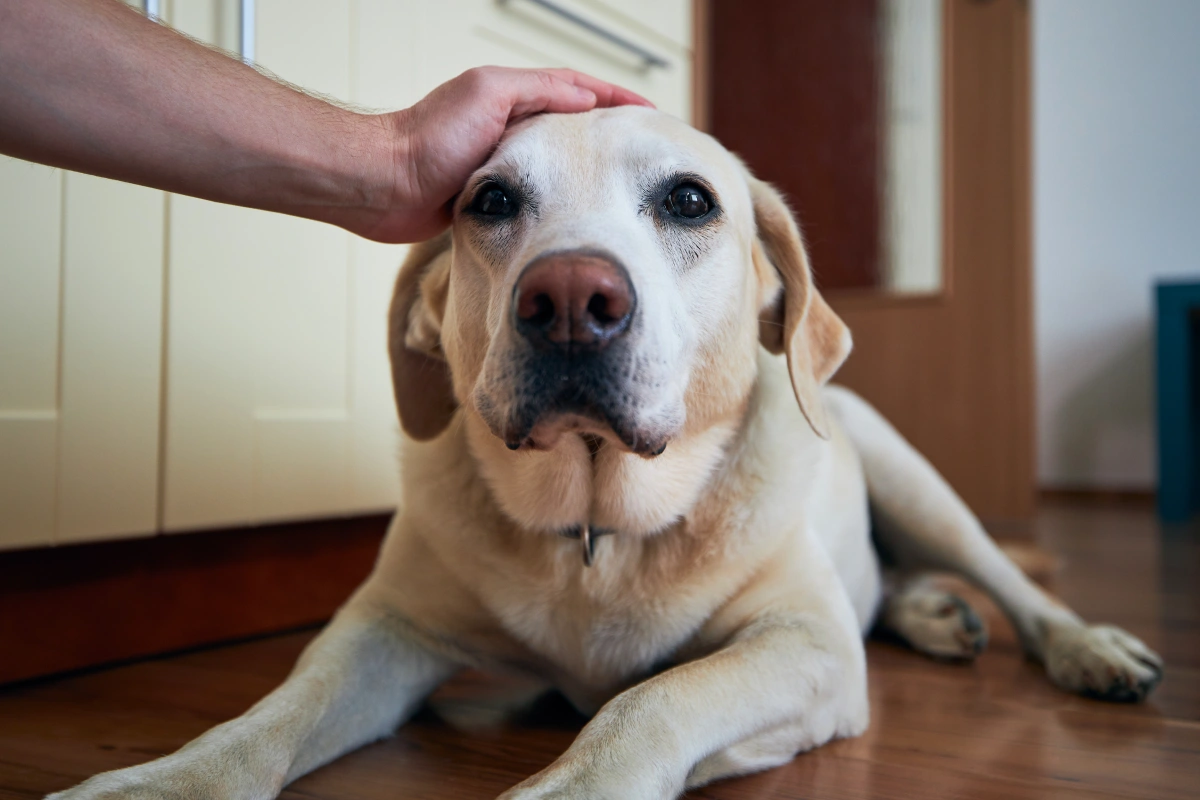
Pets cannot tell us when something hurts, so pet parents often need to rely on subtle changes in behavior and routine. A dog that suddenly avoids the stairs or a cat that spends more time hiding may not simply be having an off day. These changes can be signs of discomfort that deserve attention.
Pain can affect nearly every part of a pet’s life, including appetite, sleep, movement, social behavior, grooming habits, and interaction with family members. Understanding these changes can help owners recognize problems earlier and seek appropriate veterinary care.
For families looking for guidance on pet pain management in Tarpon Springs, learning how discomfort affects a pet’s daily habits is an important part of responsible pet care. At Anclote Animal Hospital, veterinary professionals can evaluate behavioral changes and help determine whether pain or another health concern may be involved.
How Pain Can Change Your Pet’s Behavior
Animals often instinctively hide signs of weakness. This means a pet experiencing discomfort may not cry, whimper, or visibly limp. Instead, the first clues may appear as changes in personality.
A normally affectionate dog may become less interested in being touched. A social cat may retreat under furniture or spend more time alone. Some pets become unusually restless or irritable when they cannot find a comfortable position.
Other behavioral changes can include:
• Avoiding interaction with family members
• Becoming unusually quiet
• Growling or hissing when touched
• Restlessness or pacing
• Reluctance to play
• Increased hiding
• Changes in normal grooming habits
• Difficulty settling down
These signs do not automatically mean that pain is the cause. Stress, anxiety, aging, and several medical conditions can produce similar behaviors. That is why a veterinary evaluation is important when changes persist or appear suddenly.
Pain Can Disrupt Your Pet’s Sleep
Sleep is another area where discomfort can become noticeable. A pet in pain may struggle to stay in one position for long periods. Instead of sleeping peacefully, they may repeatedly get up, move around, circle before lying down, or change sleeping locations.
Dogs with joint or muscle discomfort may have difficulty getting comfortable on hard floors or getting onto furniture. Cats may stop jumping onto their usual sleeping areas and choose easier to reach locations.
Some pets may also sleep more than usual. Increased sleep can sometimes be an attempt to avoid activity because movement is uncomfortable.
Pay attention to changes from your pet’s normal sleeping pattern. If your companion suddenly becomes restless at night, wakes frequently, or stops using a favorite sleeping area, consider discussing the change with a veterinarian.
Changes in Appetite Can Be a Warning Sign
Pain can influence eating habits in several ways. Some pets lose interest in food because discomfort makes normal activities difficult. Others may approach their food bowl but hesitate to eat.
This can be particularly important when oral discomfort is involved. A pet may chew differently, drop food, eat more slowly, or avoid harder foods. Other sources of pain can also reduce appetite because the animal simply does not feel well.
Watch for changes such as:
• Eating less than normal
• Refusing favorite foods
• Dropping food from the mouth
• Chewing on one side
• Drinking differently
• Sudden weight loss
A temporary change may not always indicate a serious problem, but persistent appetite changes should not be ignored.
Movement and Posture Can Reveal Discomfort
One of the clearest ways pain can affect a pet is through movement. A dog may hesitate before climbing stairs, jumping into a vehicle, or getting up from the floor. A cat may stop jumping onto countertops, beds, or window ledges.
Posture can also change. Pets may hold their bodies differently to reduce pressure on an uncomfortable area. A dog may stand with its back arched or shift weight away from one limb. A cat may crouch unusually low or remain tense while resting.
These changes can be easy to overlook because pets often adapt gradually. What looks like normal aging may actually be associated with joint discomfort or another treatable condition.
Pain Can Change Your Pet’s Daily Routine
Every pet develops familiar routines. They know when meals arrive, where they like to sleep, when their family returns home, and when it is time for walks or play.
Pain can interrupt these patterns.
A dog that once enjoyed long walks may suddenly prefer shorter outings. A cat that regularly used a litter box may begin avoiding it if climbing into the box or maintaining a certain posture causes discomfort. A pet may also stop greeting family members at the door or become less interested in activities they previously enjoyed.
Tracking these changes can be extremely useful. Writing down when the behavior started, how often it occurs, and what activities seem difficult can give your veterinarian valuable information.
Cats Often Hide Pain Especially Well
Cats are particularly skilled at masking discomfort. Rather than displaying obvious signs, they may make small changes that are easy to dismiss.
A cat in discomfort may stop grooming properly, groom one area excessively, hide more frequently, become less playful, or stop jumping to familiar places. Some cats become quieter, while others may become unusually irritable.
Changes in litter box habits can also provide important clues. Difficulty getting into the box, discomfort while eliminating, or avoiding the box altogether may have several possible causes, including pain.
Because cats can conceal illness until a problem becomes more advanced, even subtle changes deserve attention.
What Pet Parents Should Do When They Notice Changes
The first step is observation. Do not assume that a change is simply part of aging or a temporary mood.
Take note of:
• When the change began
• Whether it happens at a specific time
• Activities that appear difficult
• Changes in appetite or drinking
• Changes in sleep
• Changes in grooming
• Any unusual vocalization
• Changes in interaction with people or other pets
Avoid giving your pet human pain medicine unless specifically instructed by a veterinarian. Medications that are appropriate for people can be dangerous for animals, and the correct treatment depends on the pet’s species, size, age, health status, and underlying condition.
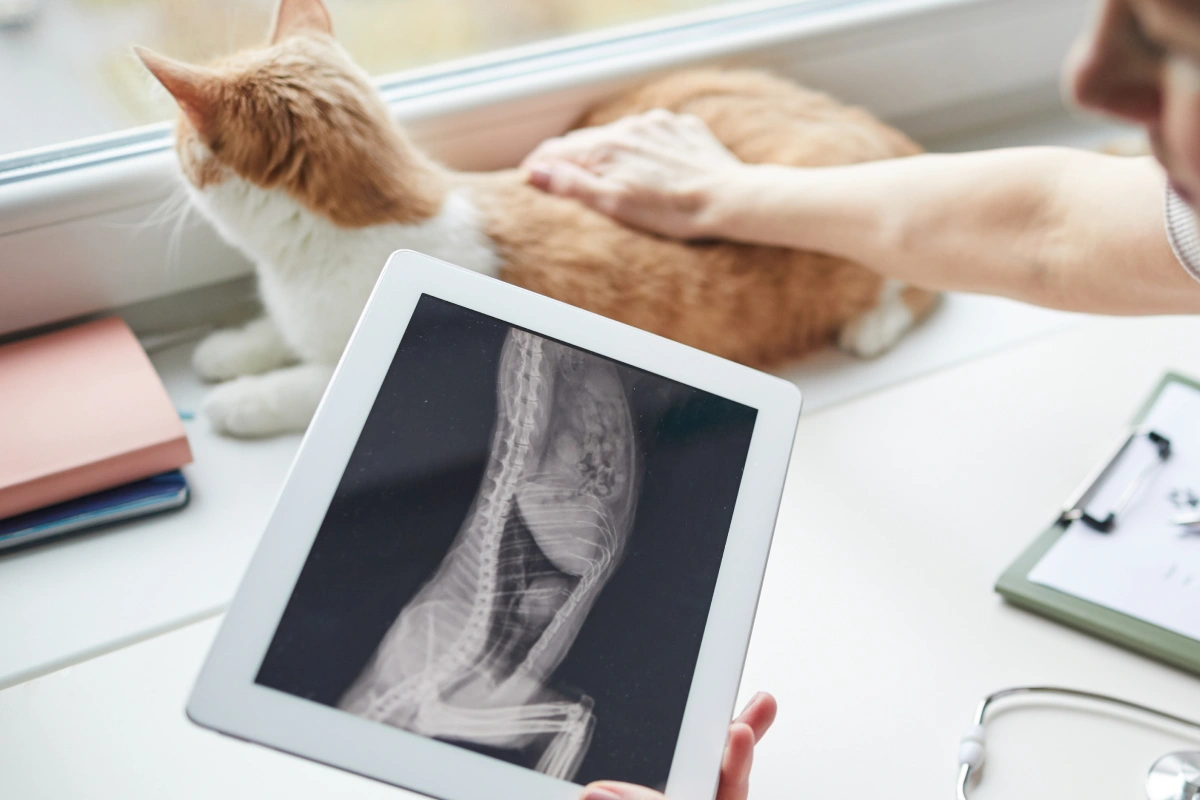
A veterinarian can perform a physical examination and determine whether additional diagnostic testing is appropriate.
How Veterinary Pain Management Can Help
Effective pet pain management starts with finding the reason for discomfort. Pain can be associated with dental problems, arthritis, injuries, surgical recovery, internal disease, or other conditions.
Treatment may involve addressing the underlying problem, using veterinarian prescribed medication, modifying activity, improving the home environment, or combining several approaches.
Your veterinarian may also recommend monitoring your pet at home. Keeping track of appetite, mobility, sleep, and behavior can help determine whether the chosen approach is working.
The goal is not simply to make a pet appear quieter. Proper pain management should support comfort, mobility, rest, and normal daily activities while addressing the underlying cause whenever possible.
Creating a More Comfortable Home Environment
Small changes around the home can make daily activities easier for a pet experiencing discomfort.
For dogs, consider providing a comfortable resting area that is easy to reach. Limit activities that cause obvious strain until your veterinarian provides guidance. For cats, place food, water, resting areas, and litter facilities where they can access them without difficult jumping or climbing when appropriate.
Keep the environment calm and observe how your pet responds to normal activities. Comfort should be balanced with the activity recommendations provided by your veterinary team.
When Behavioral Changes Deserve Veterinary Attention
A sudden or persistent change in your pet’s behavior, sleep, appetite, or mobility should be taken seriously. Even if your companion is still eating and interacting with the family, subtle discomfort can affect quality of life.
Early evaluation can help identify potential causes before the problem interferes further with everyday activities. Your veterinarian can assess the complete picture rather than focusing on one isolated symptom.
For pet parents in Tarpon Springs, recognizing changes in your pet’s behavior and pet’s daily routine can be an important first step toward better health and comfort.
Schedule a Veterinary Visit for Your Pet
If your dog or cat is behaving differently, sleeping poorly, eating less, moving differently, or showing other changes that concern you, consider scheduling an appointment with Anclote Animal Hospital. A veterinary evaluation can help identify possible sources of discomfort and guide an appropriate care plan.
Contact the hospital or use the online appointment option to arrange a visit and discuss your pet’s symptoms with the veterinary team. Prompt attention to behavioral and routine changes can help your companion stay comfortable and maintain a better quality of life.
Frequently Asked Questions
Q1. What are common signs that a pet may be experiencing pain?
Ans: Common signs can include hiding, restlessness, reduced appetite, changes in sleep, reluctance to move, unusual posture, reduced grooming, irritability, or decreased interest in normal activities.
Q2. Can pain cause my dog or cat to sleep more than usual?
Ans: Yes. Some pets may sleep more because activity is uncomfortable. Others may have difficulty staying asleep and become restless throughout the night. A noticeable change in sleep patterns should be discussed with a veterinarian.
Q3. How can I tell if my cat is hiding because of pain?
Ans: Increased hiding combined with changes in grooming, appetite, jumping, litter box habits, or social behavior can indicate a potential health concern. Cats often conceal discomfort, so persistent changes warrant veterinary evaluation.
Q4. Can I give my pet human pain medication?
Ans: Do not give human pain medication unless a veterinarian specifically instructs you to do so. Some medications intended for people can be harmful to dogs and cats.
Q5. How does a veterinarian determine the cause of my pet’s pain?
Ans: A veterinarian typically begins with a physical examination and a review of your pet’s behavior and medical history. Depending on the findings, additional diagnostic testing may be recommended to identify the underlying cause.

Fast, Friendly Help
For New, Sick & Injured Pets!