


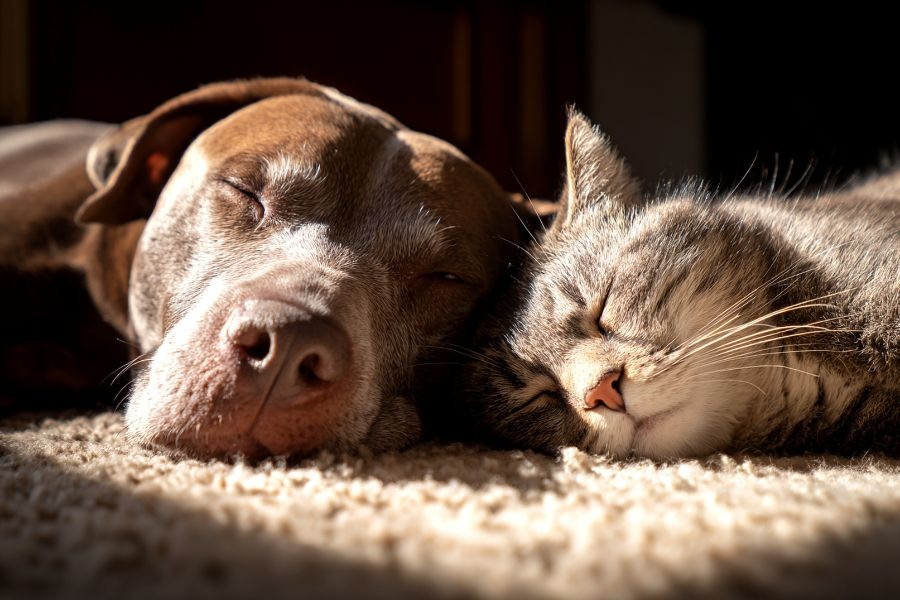
Your once easygoing dog now panics at visitors, or your calm cat hides for days after you rearrange the living room. These shifts are common, and they are an important part of senior pet care. For families in Tarpon Springs with aging dogs and cats, understanding why older pets handle stress differently can help you keep them calm, safe, and comfortable.
Why Older Pets Become More Sensitive to Change
Pets thrive on predictability. Familiar sounds, smells, and schedules help them feel safe. As they age, that sense of security becomes even more important, because their bodies and brains are less able to adapt than they once were.
Several things happen at the same time. Senses can fade, so a pet with weaker eyesight or hearing may be startled by things they no longer notice until the last second. Joints may ache, which makes it harder to escape from something frightening or to move away from noise. Even the body’s stress response changes with age, and older pets often take longer to settle down after being upset.
Memory and learning can shift too. A pet who once adjusted quickly to a new routine may now seem confused or anxious when things change. This doesn’t mean your pet is being difficult or stubborn. It often means the world has become harder for them to process.
The good news is that a few thoughtful adjustments can go a long way. When you understand the reasons behind your pet’s reactions, it becomes easier to respond with patience instead of frustration.
Signs Your Senior Pet Is Struggling With Stress
Stress doesn’t always look like panic. In older pets, it can be quiet and easy to dismiss as normal aging. Watch for changes in how your pet eats, sleeps, moves, and interacts with you.
Common signs in dogs include panting when it isn’t hot, pacing, trembling, whining, clinging to you, or hiding in unusual places. Cats may hide more, stop grooming, eat less, vocalize at night, or have accidents outside the litter box. Some pets show changes in appetite, while others develop stomach upset when routines are disrupted.
Look for patterns. A single bad day after a thunderstorm is normal, but ongoing restlessness, nighttime pacing, or new fears may point to something more. Many senior pets also develop new noise sensitivities or separation anxiety even though they never had them before.
Because stress and illness can look alike, it’s important not to assume the cause. Pain, thyroid disease, kidney problems, vision loss, and cognitive changes can all trigger anxious behavior. That is why behavior changes in aging dogs and cats deserve a closer look rather than a guess.
Everyday Triggers That Can Overwhelm Older Pets
Events that seem small to us can feel huge to an older pet. Common triggers include moving, renovations, new furniture, houseguests, a new baby or pet, boarding, travel, and changes in your work schedule. Even a different feeding time can cause worry.
Weather and seasonal events are a factor too. Thunderstorms, fireworks, and loud holiday gatherings can be especially distressing for senior pets, particularly if their hearing or eyesight is declining. Coastal areas like Tarpon Springs see frequent summer storms, so planning ahead can help.
Medical visits can add stress as well. Strange smells, unfamiliar people, and slippery floors may feel overwhelming to an older pet. Many owners find that short, calm trips and a favorite blanket from home help the visit go more smoothly.
It helps to think ahead whenever a change is coming. Ask yourself what your pet will hear, see, and smell, and whether there’s a quiet place they can retreat to. A little preparation often prevents a lot of worry.
Senior Pet Care Tips for Reducing Stress at Home
You can’t remove every source of stress, but you can make your home a calmer place. Consistency is the most powerful tool. Try to keep feeding times, walks, play, and bedtime on a steady schedule, and make changes gradually rather than all at once.
Create a safe space your pet can retreat to, such as a quiet room with a soft bed, water, and familiar toys. For cats, add hiding spots and high or low perches that are easy to reach. For dogs, a cozy crate or bed away from noise can help during storms or visitors.
Other helpful ideas include:
- Night lights and non-slip rugs to help pets with weaker eyesight or joints
- Calming music or white noise during loud events
- Pheromone diffusers or sprays, which some pets find soothing
- Gentle play, puzzle feeders, and short walks for mental and physical outlets
- Treats and praise to reward calm behavior
Introduce new people, pets, or objects slowly, and let your pet approach on their own terms. If a big change like a move is coming, set up your pet’s space first and keep their familiar items close.
Never punish an anxious pet. Fear-based behavior is not misbehavior, and scolding can make things worse. Calm, steady reassurance is far more effective.
When to Talk With Your Veterinarian
Sometimes home adjustments aren’t enough. If your pet’s stress is getting worse, lasting longer, or interfering with eating, sleeping, or litter box habits, it’s time to talk with your veterinarian. Sudden behavior changes can be an early sign of pain or illness, so a thorough exam is a smart first step.
Your veterinarian may check your pet’s weight, joints, eyes, ears, and heart, and may recommend bloodwork, a urinalysis, or blood pressure checks to look for underlying causes. If physical problems are ruled out, you can discuss behavior strategies, environmental changes, and, when appropriate, medication or supplements to support your pet’s comfort.
Keep notes about when the behavior happens, what seems to trigger it, and how long it lasts. Short videos can be very helpful because pets often act differently at the clinic. Most veterinarians recommend senior wellness exams about every six months, which gives you regular chances to discuss changes before they become bigger problems.
Conclusion: Patience and Predictability Go a Long Way
Aging doesn’t have to mean constant worry. By understanding why older pets handle change differently, watching for signs of stress, and keeping routines steady, you can help your companion feel secure. Thoughtful senior pet care combines a calm environment, patient handling, and regular veterinary support.
If you’re concerned about the way your aging dogs and cats are coping with stress, the team at Anclote Animal Hospital in Tarpon Springs is here to help. We can check for hidden health issues and work with you on a plan that keeps your pet comfortable and relaxed at every stage of life.
At Anclote Animal Hospital in Tarpon Springs, we are committed to helping senior pets feel calm, comfortable, and cared for. Schedule your pet’s visit today and give your pet the care they deserve.
Frequently Asked Questions
Q1. Why is my older dog suddenly afraid of thunderstorms or fireworks?
Ans: New noise fears are common in older dogs and can be linked to hearing changes, pain, or cognitive changes. A veterinary exam can rule out medical causes, and your veterinarian can suggest ways to help your dog feel safer.
Q2. Can a change in routine make my senior cat sick?
Ans: Stress can lead to reduced appetite, hiding, and stomach upset in cats, and it may worsen some health conditions. If your cat stops eating or seems unwell after a change, contact your veterinarian promptly rather than waiting.
Q3. Are calming products safe for older pets?
Ans: Many calming aids, such as pheromone products and white noise, are generally gentle, but not every product suits every pet. Check with your veterinarian before trying supplements or medications, especially if your pet has health conditions.
Q4. How can I help my senior pet adjust when we move to a new home?
Ans: Keep their routine as steady as possible and set up a familiar space with their bed, toys, and bowls right away. Introduce the new home gradually, and give plenty of patience while they settle in.
Q5. Where can I find senior pet care in Tarpon Springs?
Ans: Look for a local animal hospital that offers senior wellness exams, diagnostic testing, and guidance on behavior changes. Ask how often your pet should be rechecked and how the team can support you between visits.

Fast, Friendly Help
For New, Sick & Injured Pets!