


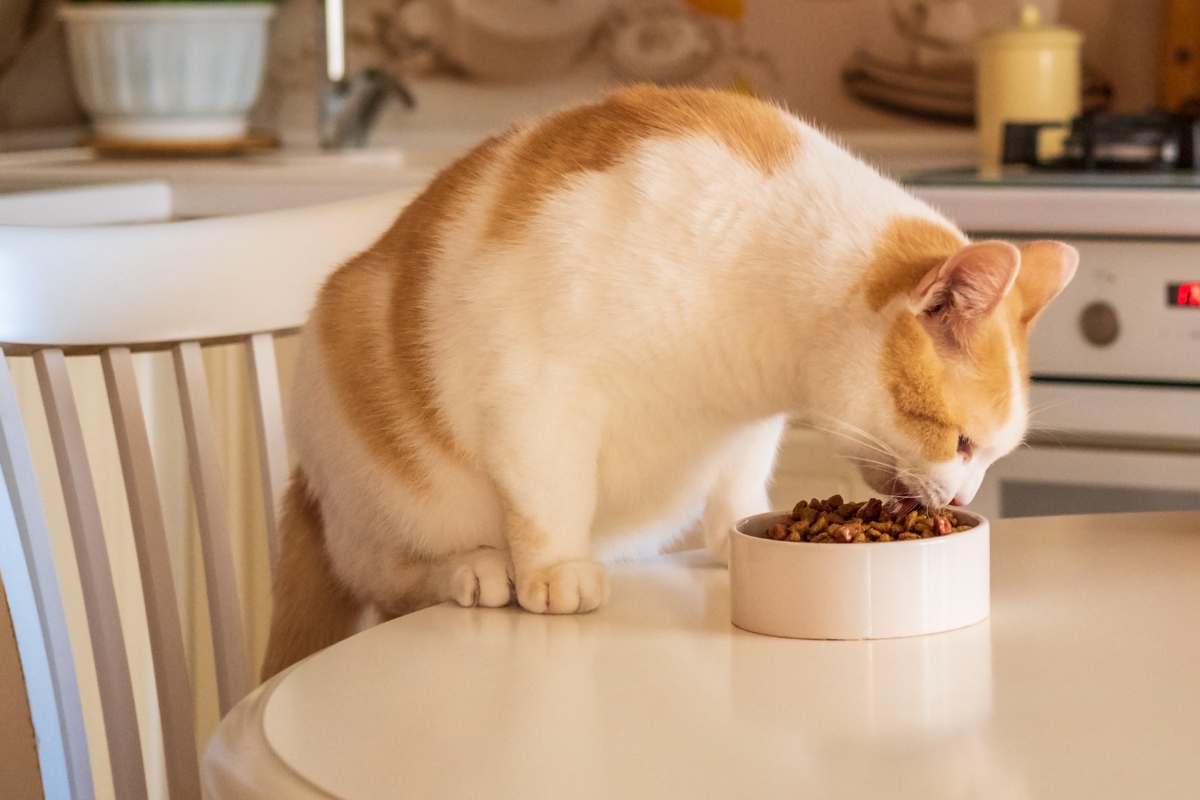
As cats age, their nutritional needs change significantly. Just like humans, senior cats experience slower metabolism, reduced activity levels, and potential health challenges. Providing the right nutrition ensures your feline friend stays active, healthy, and happy in their golden years. But what exactly should you feed your senior cat? Let’s explore the essentials of proper senior cat nutrition and how to make the best dietary choices for your aging companion.
Understanding the Nutritional Needs of Senior Cats
Typically, cats are considered “senior” once they reach around 7 to 10 years of age. During this phase, their bodies begin to undergo subtle changes — their metabolism slows, muscle mass decreases, and organ function may decline. Therefore, a diet designed for older cats should support these changes with balanced nutrients and easy digestibility.
Senior cats benefit from diets that are:
- High in quality protein to maintain lean muscle mass.
- Moderate in fat to manage weight.
- Rich in fiber to promote healthy digestion.
- Packed with vitamins and antioxidants to support the immune system.
- Low in phosphorus and sodium for kidney and heart health.
1. Protein: The Foundation of Feline Health
Protein remains the most vital nutrient for cats, regardless of age. However, the quality of the protein becomes more important as cats grow older. Senior cats often have reduced ability to digest and absorb nutrients, so easily digestible, high-quality protein sources like chicken, turkey, or fish are ideal.
A protein-rich diet helps preserve muscle tone and prevent frailty. If your senior cat suffers from kidney issues, your veterinarian may recommend adjusting protein levels to protect kidney function while ensuring adequate nutrition.
2. Controlled Fat Levels for Weight Management
Older cats tend to be less active, which means they burn fewer calories. Excess fat can lead to obesity, which increases the risk of diabetes, arthritis, and heart disease. On the other hand, too little fat can cause weight loss and weakness.
A balanced diet with moderate fat helps maintain an ideal weight. Look for foods that contain healthy fats, such as omega-3 and omega-6 fatty acids, which support brain health, joint mobility, and a shiny coat.
3. Fiber and Digestive Health
As cats age, their digestive system becomes more sensitive. Fiber plays an essential role in maintaining gut health and preventing constipation — a common issue in older cats. Including natural fiber sources like beet pulp or pumpkin in their diet helps regulate bowel movements and improve nutrient absorption.
Additionally, probiotics can be beneficial in supporting gut bacteria and boosting digestive function.
4. Hydration and Kidney Support
Kidney disease is one of the most common health concerns among senior cats. Ensuring adequate hydration is crucial for kidney function and overall health. Wet or canned cat food can help increase moisture intake, especially if your cat doesn’t drink much water.
In addition, consider providing fresh water at multiple spots around your home or using a cat water fountain to encourage drinking.
5. Essential Vitamins and Minerals
Senior cats often need added nutrients to strengthen their immune system and combat age-related decline. Important vitamins and minerals include:
- Vitamin E and C for immune support and antioxidant benefits.
- Taurine for heart and vision health.
- Calcium and phosphorus for bone strength (in balanced amounts).
- B vitamins to boost energy and metabolism.
Your veterinarian may recommend a senior cat supplement if your cat’s diet lacks certain nutrients.
6. Omega Fatty Acids for Joint and Skin Health
Omega-3 fatty acids, commonly found in fish oils, are excellent for maintaining joint flexibility and reducing inflammation. They also keep your cat’s coat shiny and skin healthy. These healthy fats are especially beneficial for cats suffering from arthritis or stiffness.
7. The Role of Veterinary Guidance
Every senior cat is unique. Some may be prone to diabetes, thyroid issues, or kidney disease, while others may remain healthy well into their teens. That’s why it’s essential to have regular veterinary checkups to assess your cat’s nutritional status and overall health.
Your veterinarian can recommend a tailored senior cat diet plan based on your cat’s health condition, weight, and preferences. Never change your cat’s diet abruptly—transition gradually to prevent digestive upset.
Providing the best nutrition for your senior cat ensures they enjoy their golden years with comfort and vitality. A diet rich in high-quality protein, balanced fat, and essential nutrients can significantly improve your cat’s health and longevity.
If you’re looking for expert advice on senior cats care in Tarpon Springs, FL, the compassionate team at Anclote Animal Hospital can help you design the perfect nutrition plan tailored to your cat’s specific needs. Schedule an appointment today to keep your feline friend healthy, happy, and thriving for years to come.


Fast, Friendly Help
For New, Sick & Injured Pets!