

Just like humans, pets need proper dental care to stay healthy. Yet, many dog and cat owners overlook the importance of oral hygiene. Untreated dental problems can lead to serious health issues such as infections, tooth loss, and even organ damage. The good news? Professional pet dental services can help maintain your pet’s health and prevent painful problems down the road.
In this comprehensive guide, we’ll explore the best pet dental services, what to expect, and how to choose the right provider for your furry friend.
Why Pet Dental Services Matter
Your pet’s mouth is a window into their overall health. Over time, plaque and tartar can build up, leading to gum disease, tooth decay, and more severe issues like kidney or heart disease. However, regular dental care—both at home and through veterinary services—can dramatically reduce these risks.
By investing in professional pet dental services, you’re not only improving your pet’s oral health but also enhancing their quality of life.
What Do Pet Dental Services Include?
The best pet dental services offer a wide range of preventive and corrective procedures. Here are some of the most common:
1. Oral Examinations
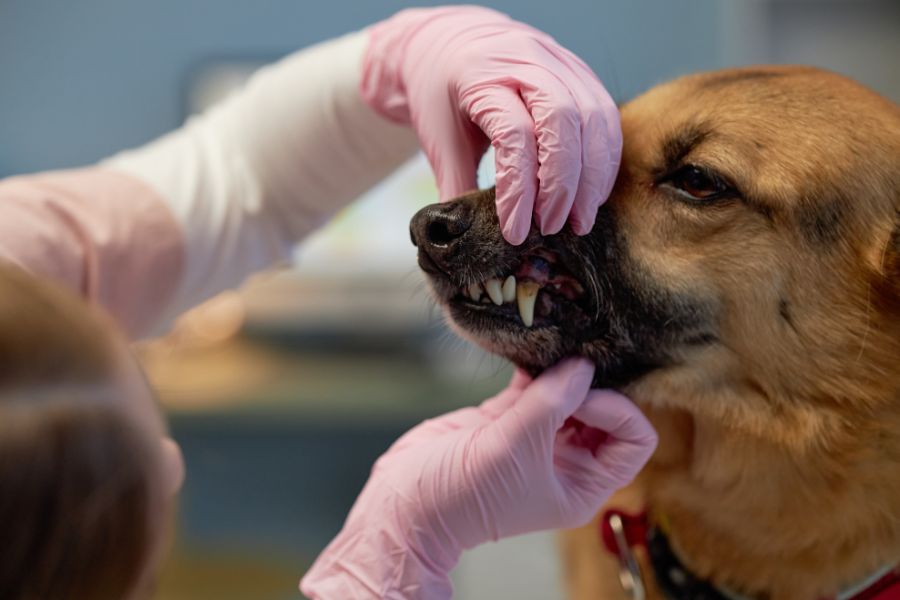
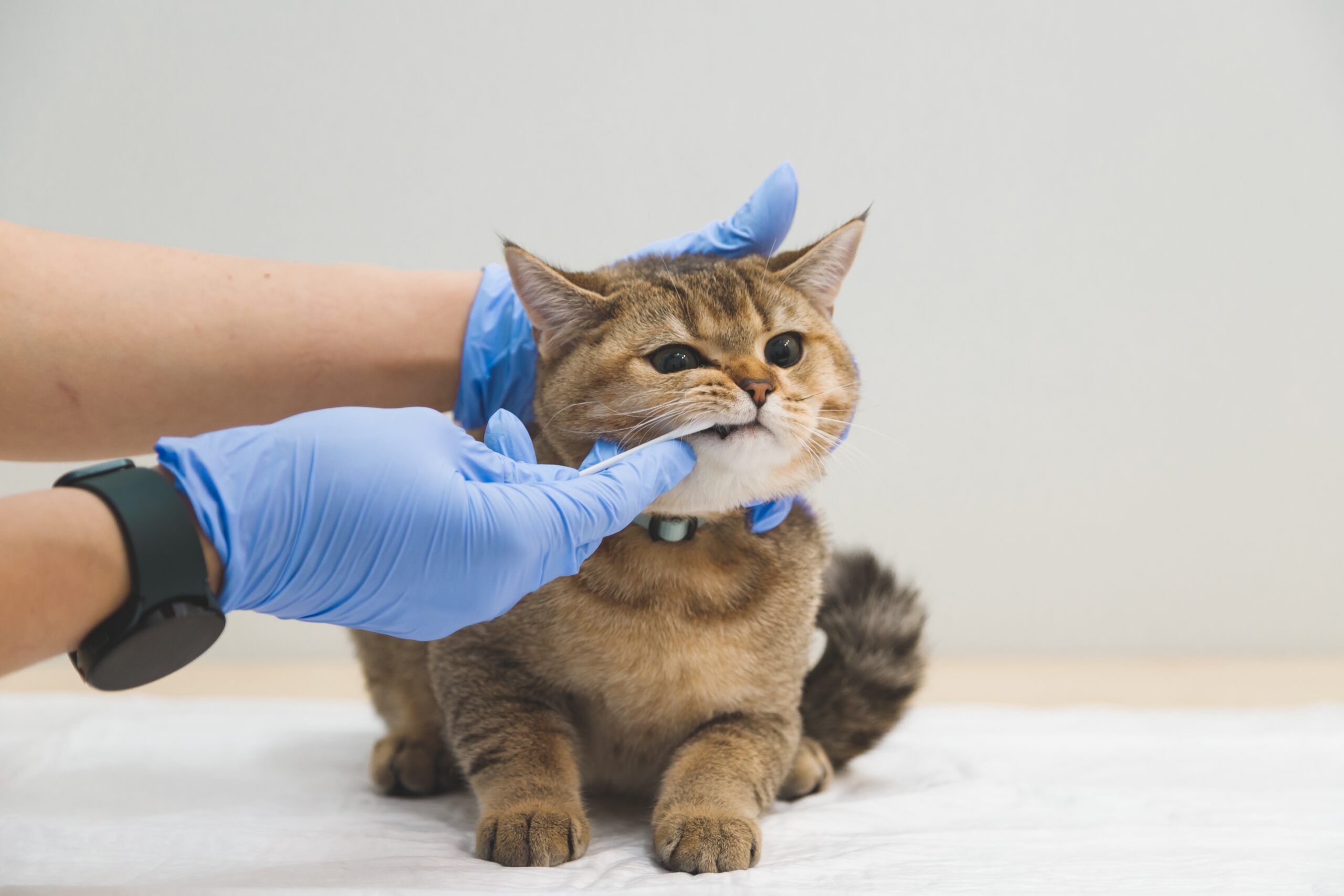
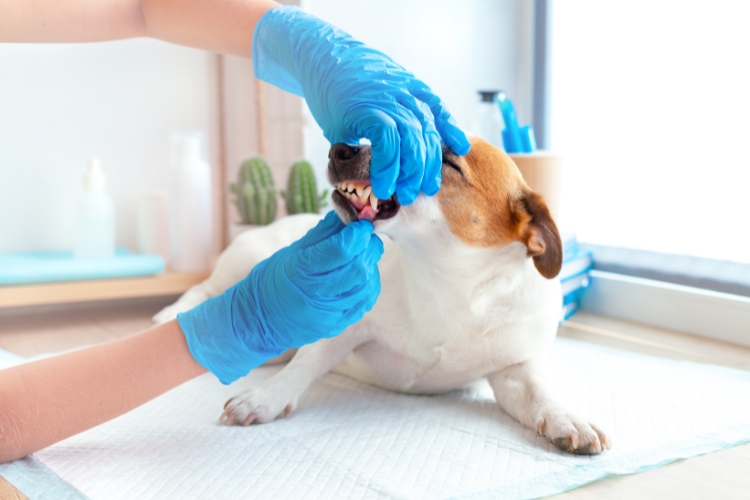
Veterinarians examine your pet’s mouth to identify signs of decay, gum disease, or abnormalities. Early detection can prevent future complications.
2. Professional Teeth Cleaning
This involves scaling and polishing under anesthesia to remove plaque and tartar. It’s one of the most effective ways to protect your pet’s teeth.
3. Dental X-Rays
Just like human dentistry, vets use X-rays to see beneath the gum line and assess the roots and bone structure.
4. Tooth Extractions
Sometimes, severely damaged or infected teeth must be removed to prevent further harm.
5. Treatment for Gum Disease
This may include antibiotics, deep cleaning, or even surgery, depending on the severity.
6. At-Home Dental Care Plans
Top clinics also offer guidance on daily brushing, dental chews, and rinses to maintain oral hygiene between visits.
How to Choose the Best Pet Dental Services
With so many options available, it’s essential to choose a qualified and trusted provider. Here are a few tips to guide your decision:
- Check Certifications: Look for veterinarians who are certified in veterinary dentistry or have specialized training.
- Read Reviews: Online testimonials can offer real insight into the quality of care and customer experience.
- Ask About Equipment: Advanced tools like digital X-rays or ultrasonic scalers indicate a modern, well-equipped clinic.
- Tour the Facility: If possible, visit the clinic to observe cleanliness and staff professionalism.
- Request an Estimate: Transparent pricing is crucial. Get a detailed breakdown of costs before proceeding.
Signs Your Pet Needs Dental Care
Wondering if your dog or cat might need dental services? Watch for these red flags:
- Bad breath
- Yellow or brown teeth
- Drooling more than usual
- Difficulty eating
- Swollen or bleeding gums
- Pawing at the mouth
If you notice any of these symptoms, don’t delay—schedule a dental exam immediately.
In conclusion, pet dental services are a vital part of your pet’s overall wellness. Regular checkups, professional cleanings, and a solid home care routine can help prevent serious health problems and ensure a longer, happier life for your furry companion.
Don’t wait until your pet shows signs of discomfort. Be proactive, choose a trusted provider, and make dental health a priority today.
FAQs
1. How often should my pet get dental cleanings?
Most vets recommend a professional cleaning once a year. However, pets with existing dental issues may need more frequent visits.
2. Is anesthesia necessary for pet dental cleanings?
Yes, general anesthesia ensures a thorough cleaning and reduces stress for your pet. It also allows the vet to clean below the gum line safely.
3. Can I brush my pet’s teeth at home?
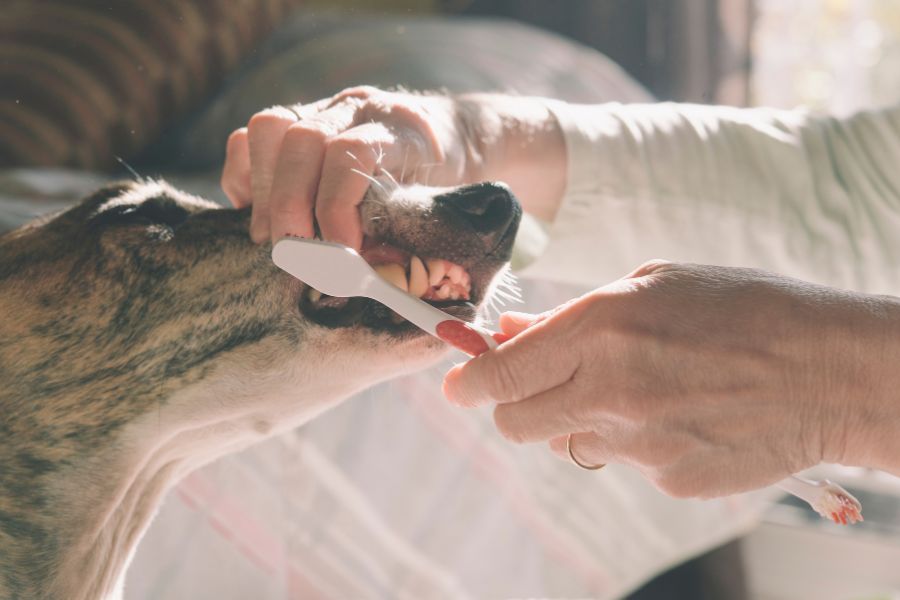
Absolutely! Brushing 2–3 times a week with pet-safe toothpaste helps maintain oral health between professional cleanings.
4. Are dental chews and toys effective?
While not a substitute for cleanings, dental chews and toys can reduce plaque and support gum health.
5. Is pet insurance worth it for dental services?
Some pet insurance plans cover dental care. If your pet is prone to dental issues, insurance can help offset significant costs.
6. What breeds are more prone to dental problems?
Smaller dog breeds like Chihuahuas, Yorkies, and Poodles are more prone to dental issues. Cats with flat faces, like Persians, can also be at higher risk.

Fast, Friendly Help
For New, Sick & Injured Pets!