

Bringing a new puppy into your home is a joyous occasion, but it also comes with significant responsibility. One of the most important factors in ensuring your puppy grows up to be strong, healthy, and energetic is proper nutrition. Choosing the right food can make a world of difference, but with so many options available, it can be overwhelming for new puppy parents to know where to start.
In this guide, we’ll explore the best puppy food options for healthy growth and development, the key nutrients your puppy needs, and some tips on feeding your puppy for optimal health.
Understanding Puppy Nutrition
A puppy’s nutritional needs are vastly different from those of an adult dog. During their first year, puppies experience rapid growth, which is why their food needs to be nutrient-dense and specially formulated to support this development. Puppy food typically contains higher levels of protein, fat, and essential vitamins and minerals compared to adult dog food.
It’s crucial to feed your puppy food that supports healthy development, as improper nutrition during the early stages of life can lead to health problems down the line, including joint issues, poor immune function, and even developmental delays.
Key Nutrients for Puppy Growth
When choosing the best food for your puppy, there are a few essential nutrients you should look for:
- Protein: Protein is the building block of your puppy’s muscles, organs, and tissues. It’s vital for growth, and the best puppy food will have a high-quality source of protein, such as chicken, lamb, or salmon. Look for foods that list real meat as the first ingredient.
- Fat: Healthy fats are crucial for your puppy’s energy, brain development, and skin health. Omega-3 and omega-6 fatty acids, found in fish oil and flaxseed, are especially important for their development. Make sure the food contains a balanced amount of fat for proper energy levels and healthy skin.
- Carbohydrates: While protein and fat are essential, carbohydrates provide energy and aid in digestion. Whole grains like brown rice and sweet potatoes are excellent sources of digestible carbohydrates for puppies.
- Vitamins and Minerals: Puppies need a variety of vitamins and minerals to support their immune system, bone development, and overall health. Key vitamins include Vitamin A (for vision and immune function) and Vitamin D (for bone health). Minerals like calcium and phosphorus are crucial for bone development during puppyhood.
- DHA: Docosahexaenoic acid (DHA) is an omega-3 fatty acid that’s especially important for brain and eye development in puppies. Many high-quality puppy foods include DHA from fish oil to support cognitive health.
- Fiber: Fiber supports healthy digestion, which is essential for puppies as they develop their digestive systems. Look for foods with balanced fiber content, usually derived from vegetables like pumpkin or carrots.
Types of Puppy Food
When it comes to selecting the best puppy food, there are several types to choose from. Each type has its benefits, and the right choice depends on your puppy’s breed, size, and any specific health concerns.
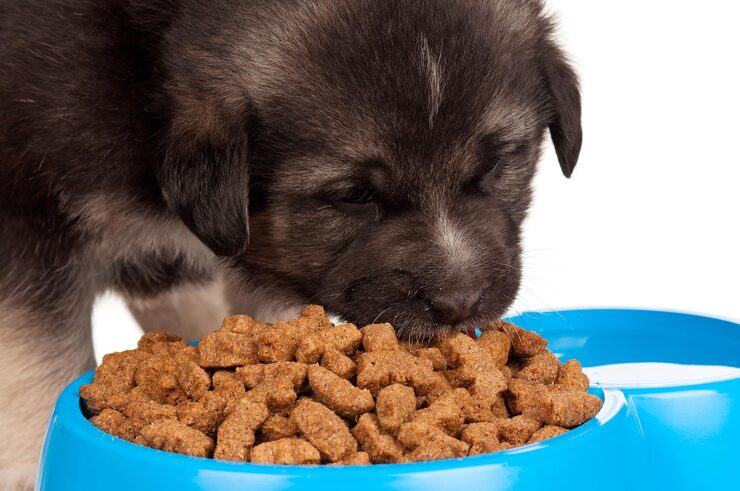
- Dry Kibble: Dry kibble is one of the most popular choices for puppy food. It’s easy to store, and many formulas are specially designed to support healthy growth. Kibble is great for keeping your puppy’s teeth clean, as the crunching action helps reduce plaque buildup.
- Wet Food: Wet food is typically higher in moisture content, which can be beneficial for puppies who are picky drinkers or need more hydration. Wet food is often more flavorful and palatable, which can help if your puppy has a reduced appetite.
- Raw Food: A raw food diet is based on feeding your puppy raw meat, bones, and vegetables. While this can provide a natural and nutrient-dense option, it’s important to ensure the raw diet is balanced and safe. Consult with your vet to ensure you’re meeting all your puppy’s nutritional needs if you choose this option.
- Homemade Puppy Food: Some pet parents opt for homemade puppy food, where you prepare meals at home using fresh ingredients. While this can be highly nutritious, it requires careful planning to ensure your puppy receives all the necessary nutrients. Speak with your vet to get a balanced recipe for homemade puppy food.
Choosing the Right Food for Your Puppy
With so many options available, choosing the best food for your puppy can be confusing. Here are a few tips to help guide your decision:
- Breed-Specific Food: Some puppies have unique nutritional needs based on their breed, size, or activity level. For example, large breed puppies may benefit from food that supports joint health to prevent developmental issues. Look for food specifically designed for your puppy’s breed or size.
- Consult Your Veterinarian: Before choosing a puppy food, it’s always a good idea to consult with your veterinarian. They can provide tailored recommendations based on your puppy’s age, breed, and health history.
- Avoid Fillers: Avoid foods with unnecessary fillers like corn, soy, or by-products. These ingredients provide little nutritional value and can lead to digestive issues or allergies in some puppies.
- Check the Label: Ensure the food meets the Association of American Feed Control Officials (AAFCO) standards for growth and development. This ensures the food is nutritionally complete for puppies.
Sample Puppy Food Brands
Here are some reputable puppy food brands that meet the nutritional needs of growing puppies:
- Royal Canin: Known for breed-specific formulas, Royal Canin offers high-quality puppy food for a variety of breeds and sizes.
- Hill’s Science Diet: This brand provides well-balanced puppy food formulas with a focus on digestive health and strong immune support.
- Blue Buffalo: Blue Buffalo offers a wide range of puppy foods made with high-quality protein, healthy fats, and essential vitamins and minerals.
- Wellness CORE: Wellness CORE’s grain-free formulas are ideal for puppies with food sensitivities, and their food is packed with protein and omega fatty acids for healthy growth.
Feeding Your Puppy: How Much and How Often?
Puppy feeding schedules vary depending on their age and breed. Generally, puppies should be fed three to four times a day until they reach six months of age. After six months, you can reduce the feeding frequency to twice a day.
Be sure to follow the feeding instructions on the puppy food package or consult with your vet for specific portion recommendations.
Providing the best puppy food is essential for your puppy’s healthy growth and development. By choosing high-quality food with the right balance of protein, fat, and other essential nutrients, you are setting your puppy up for a lifetime of health and happiness. Remember to consult with your veterinarian to determine the best food for your puppy’s unique needs.
For expert advice on puppy care and nutrition, trust Anclote Animal Hospital. Our team is here to guide you in providing the best possible care for your furry friend. Contact us today for more tips and support on feeding your puppy for optimal health!
FAQs
Q1. When should I switch my puppy to adult food?
Ans. Generally, puppies are ready to switch to adult food between 12-18 months, depending on their size and breed. Consult your vet to determine the right time.
Q2. Can I feed my puppy adult food?
Ans. While adult food may be fine in some cases, it’s important to feed your puppy food formulated for their developmental stage to ensure they get the right nutrients.
Q3. How much food should I feed my puppy?
Ans. The amount of food depends on your puppy’s size, age, and breed. Follow the feeding recommendations on the packaging or ask your vet for guidance.
Q4. Is wet food better for puppies?
Ans. Wet food can be beneficial for puppies who need extra hydration or are picky eaters. However, dry kibble can also offer benefits like dental health.
Q5. Can I mix wet and dry food?
Ans. Yes, mixing wet and dry food can provide variety and enhance the palatability of your puppy’s meals.
Q6. How do I know if my puppy is eating the right food?
Ans. Signs of a healthy diet include normal growth, a shiny coat, and good energy levels. If you notice digestive issues or unusual weight gain/loss, consult your vet.
Related Articles

Fast, Friendly Help
For New, Sick & Injured Pets!