

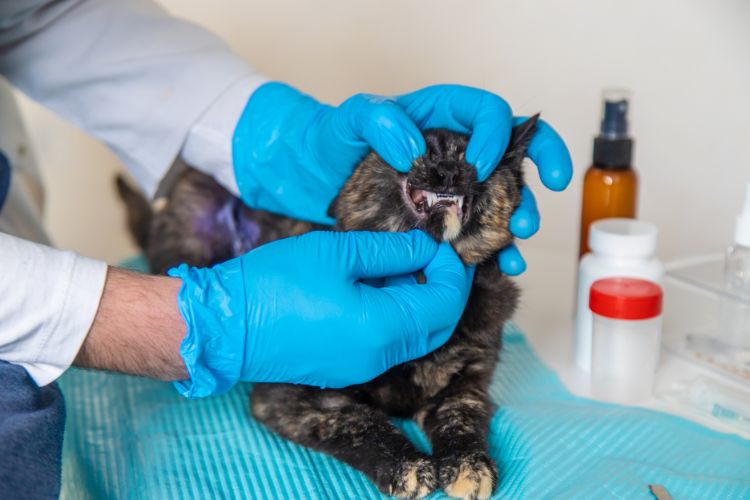
Taking care of your pet’s health is an essential responsibility for any pet parent, and oral care is often overlooked. However, poor oral hygiene can lead to various health problems for your furry friend. Just like humans, pets need regular oral care to maintain their overall well-being. Whether it’s bad breath, a change in eating habits, or swollen gums, these signs may indicate your pet needs a dental checkup.
Pet owners who want to better understand the signs of dental issues in their dogs and cats in Tarpon Springs, FL, this blog is especially for you. In this guide, we’ll explore the common symptoms that may signal your pet needs a dental checkup, why addressing these concerns is important, and how proper care can help prevent more severe health complications. Continue reading to discover the best practices for maintaining your pet’s oral health.
Why Dental Health Matters for Pets
Good oral health is crucial for your pet’s overall health. Without proper oral care, your pet may suffer from gum disease, tooth loss, and even infections that can affect their heart, liver, and kidneys. Dental problems in pets are often more severe than you might think, with potential long-term effects that can affect your pet’s quality of life.
Dental diseases are common in pets, especially in older animals, but they are preventable. Knowing when to seek dental services is essential in ensuring your pet’s well-being. A vet checkup will not only address existing issues but also prevent future problems. Now, let’s dive into some common signs that your pet may need an oral checkup.
Signs Your Dog or Cat Needs a Dental Checkup
1. Bad Breath
One of the most noticeable signs that your pet needs a dental checkup is bad breath. While dogs and cats don’t have minty-fresh breath like humans do, especially after meals, a persistent foul odor can be a sign of oral disease. Issues like gingivitis and periodontitis (infection of the gums and tooth roots) can cause bad breath, so it’s important to monitor your pet’s breath regularly.
2. Drooling or Excessive Salivation
Drooling or excessive salivation is another indication of dental problems in pets. If your pet is drooling more than usual, especially when they haven’t been playing or eating, it could be a sign of mouth pain or discomfort. It could be due to gum disease, tooth decay, or abscesses that are affecting your pet’s ability to eat or drink comfortably.
3. Difficulty Eating or Chewing
Pets with dental problems may have difficulty eating their food, chewing their toys, or even picking up their favorite treats. If you notice your pet avoiding certain foods or showing signs of pain when chewing, it’s essential to have their teeth checked. Tooth decay, loose teeth, and gum infections can all make chewing painful for your pet.
4. Swollen or Bleeding Gums
Another telltale sign of dental issues is swollen or bleeding gums. If you notice blood around your pet’s mouth or if their gums appear red and inflamed, it’s a sign that they may be dealing with gingivitis or another type of gum disease. Without treatment, gum disease can lead to tooth loss and more serious infections.
5. Pawing at the Mouth or Face
If your pet is constantly pawing at their mouth, face, or teeth, it could indicate that they are in pain or discomfort. Pets may try to relieve discomfort on their own by pawing at their mouths, which often indicates a problem with their teeth or gums. Dental infections or a fractured tooth can cause this type of discomfort.
6. Changes in Behavior or Irritability
Dental pain can make pets irritable and cause a change in their normal behavior. If your usually playful pet becomes withdrawn, irritable, or stops eating altogether, it could be due to oral pain. Sometimes, discomfort can also affect a pet’s overall mood and energy levels.
Types of Dental Problems in Pets
1. Gingivitis and Periodontitis
Gingivitis is the early stage of gum disease and is caused by the buildup of plaque on the teeth. If not treated, it can progress to periodontitis, which affects the deeper tissues around the teeth. These conditions can cause gum inflammation, bleeding, and infection, which may lead to tooth loss.
2. Tooth Decay and Cavities
Tooth decay, or cavities, occurs when plaque turns into tartar, which hardens and damages the enamel. Cavities are less common in pets than in humans, but when they do occur, they can be painful and lead to tooth loss if not treated promptly.
3. Broken or Fractured Teeth
Pets are known for chewing on hard objects, which can result in broken or fractured teeth and, if the exposed tooth pulp becomes infected, severe pain and infection. A veterinarian can assess the damage and recommend treatment, such as tooth extraction or root canal therapy.
4. Abscesses and Infections
An abscess is a pocket of pus caused by an infection around a tooth root or under the gums. These infections can cause severe pain, swelling, and even fever. If your pet is showing signs of an abscess, such as swelling around their mouth or difficulty eating, they may need immediate oral care.
How to Prevent Dental Problems in Pets
1. Regular Brushing
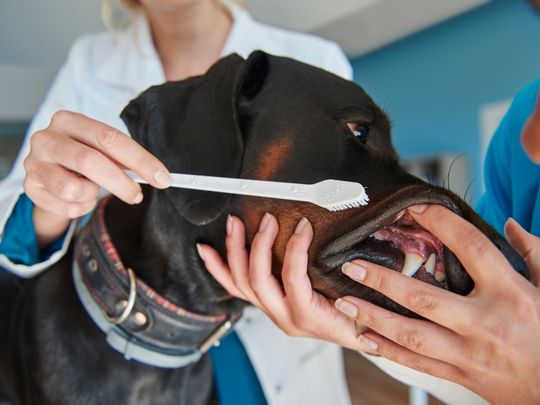
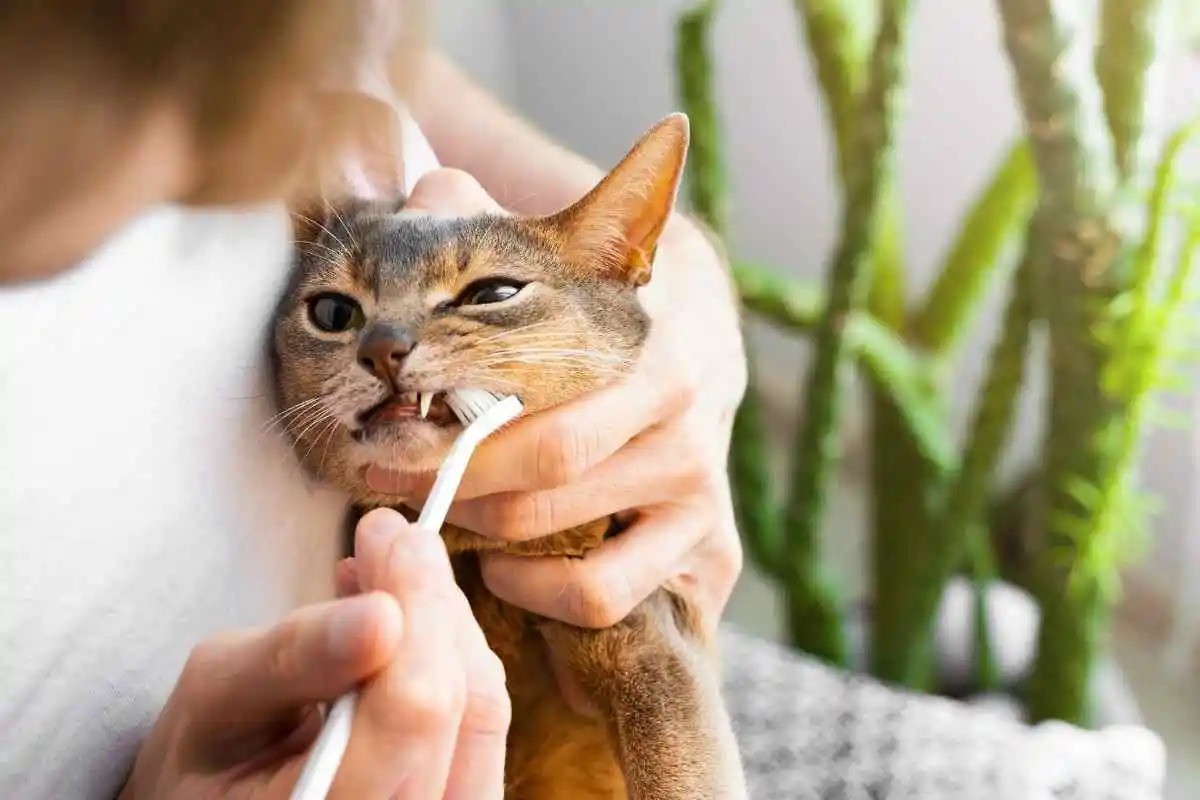
One of the best ways to prevent dental issues in pets is by brushing their teeth regularly. Brushing your pet’s teeth with pet-safe toothpaste can help remove plaque and prevent tartar buildup, which can lead to gum disease.
2. Dental Chews and Toys
Dental chews and toys are designed to help clean your pet’s teeth as they chew. Providing your pet with appropriate chews can help reduce plaque buildup and keep their teeth and gums healthy.
3. Regular Veterinary Checkups
Routine veterinary checkups are essential for maintaining your pet’s dental health. Professional cleanings and exams performed by a veterinarian can catch early signs of dental problems and help prevent more serious issues from developing.
4. Special Diets for Dental Health
Certain pet foods and treats are designed to promote oral health by helping to clean teeth and reduce plaque buildup. Talk to your veterinarian about dental-friendly diets that can support your pet’s oral health.
Guarding Your Pet’s Smile With Regular Dental Checkups
Your pet’s dental health plays a crucial role in their overall well-being. Recognizing the signs that your dog or cat needs a dental checkup is the first step in preventing more serious health issues down the road. Bad breath, difficulty eating, swollen gums, and pawing at the mouth are just a few signs that indicate it’s time for a dedicated dental exam.
By staying proactive and scheduling regular dental checkups, you can ensure that your pet’s teeth and gums remain healthy for years to come. If you notice any of the signs mentioned above, don’t hesitate to reach out for help from a veterinary clinic.
The Impact of Dental Health on Your Pet’s Overall Health
Ignoring your pet’s dental health can lead to serious long-term consequences. Untreated dental disease can cause infections that spread to other parts of the body, including the heart, kidneys, and liver. Chronic pain caused by dental issues can also affect your pet’s behavior, appetite, and overall quality of life. By taking care of your pet’s dental health, you are improving their overall health and ensuring they live a longer, happier life.
If you’re in Tarpon Springs and you suspect your pet may need dental services near you, don’t wait for the problem to get worse and book an appointment with Anclote Animal Hospital to help with all your pet’s oral care needs. Book an appointment or schedule a consultation with our vets today to ensure your furry friend stays healthy and happy. Don’t let dental issues take a toll on your pet’s health. Contact us now to care for and improve your pet’s health, beginning with their teeth!
Frequently Asked Questions
Q1: How often should I take my pet for a dental checkup?
It’s recommended to have your pet’s teeth checked at least once a year. However, older pets may need more frequent visits to monitor any developing issues.
Q2: Can dental problems in pets cause other health issues?
Yes, untreated dental problems can lead to infections that may affect other organs, such as the heart, liver, and kidneys.
Q3: What can I do to keep my pet’s teeth clean at home?
Brushing your pet’s teeth regularly with pet-safe toothpaste is the best way to maintain their oral health at home. You can also provide dental chews and toys to help reduce plaque buildup.
Q4: What are the signs of a dental infection in pets?
Common signs of a dental infection include bad breath, swollen gums, difficulty eating, pawing at the mouth, and excessive drooling.
Q5: Are dental cleanings safe for pets?
Yes, professional dental cleanings performed by a veterinarian are safe and necessary for removing tartar buildup and preventing gum disease.
Q6: How do I know if my pet’s bad breath is serious?
Persistent bad breath, especially accompanied by swollen gums or difficulty eating, can be a sign of gum disease or other dental problems that require veterinary attention.

Fast, Friendly Help
For New, Sick & Injured Pets!