



As pets age, their needs change—often subtly at first, and then more noticeably. Dogs and cats typically enter their senior years between 7 to 10 years old, depending on their breed and size. Recognizing the early signs of aging is the first step to ensuring they remain happy and healthy. You may notice decreased energy, slower movement, graying fur, or changes in appetite.
Being proactive is key. With regular vet visits, tailored nutrition, and a little extra love, your pet can continue to thrive during their golden years.
Nutrition Matters: Feeding for Longevity and Vitality
Proper nutrition becomes even more important as pets grow older. Aging pets often require fewer calories, but more high-quality nutrients. A senior pet’s diet should be rich in:
- Lean proteins to maintain muscle mass
- Omega-3 fatty acids for joint health
- Antioxidants to support the immune system
- Fiber to improve digestion
Moreover, water intake should never be overlooked. Dehydration can sneak up on older pets, so always provide clean, fresh water. Your vet may recommend a special diet if your pet has diabetes, kidney disease, or other age-related issues.
The Importance of Routine Veterinary Care
Routine checkups are vital in senior pet care. While adult pets should visit the vet once a year, seniors benefit from biannual visits. These exams often include bloodwork, urinalysis, and dental checks to catch potential problems early.
Your vet may screen for arthritis, dental disease, heart conditions, or vision and hearing decline. Early intervention can slow disease progression and improve quality of life.
If you’re looking for compassionate senior pet care in Tarpon Springs, FL, make sure the clinic you choose offers senior wellness programs tailored to your pet’s unique needs.
Mobility and Comfort: Supporting Aging Joints
Arthritis and reduced mobility are common in older pets. But that doesn’t mean your pet has to live in discomfort. Try these strategies:
- Provide orthopedic bedding for better joint support
- Add non-slip mats on slippery floors
- Maintain a healthy weight to reduce pressure on joints
- Use ramps to help them access beds or couches
You can also ask your vet about supplements like glucosamine and chondroitin or therapies like acupuncture and cold laser treatment.
Mental Stimulation: Keeping the Spark Alive
Cognitive decline can affect senior pets much like humans. Pacing, disorientation, or changes in sleep patterns may signal cognitive dysfunction. Fortunately, mental stimulation helps keep their minds sharp.
Here are some enrichment ideas:
- Food puzzles or treat-dispensing toys
- New walking routes and outdoor experiences
- Gentle play sessions
- Learning new tricks—even old dogs can learn new ones!
A daily routine helps reduce anxiety and confusion, giving them a sense of comfort and stability.
Love Never Ages: Emotional Support and Companionship
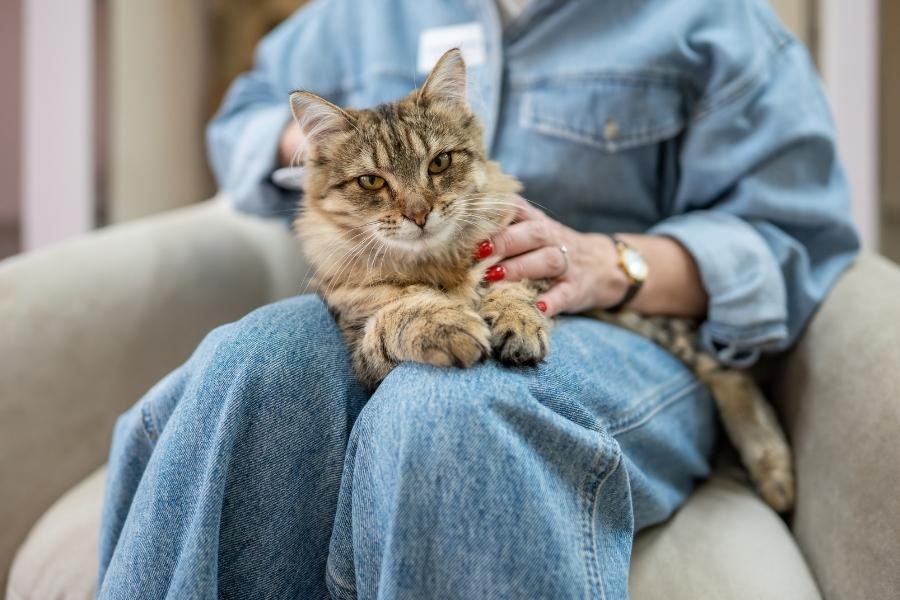
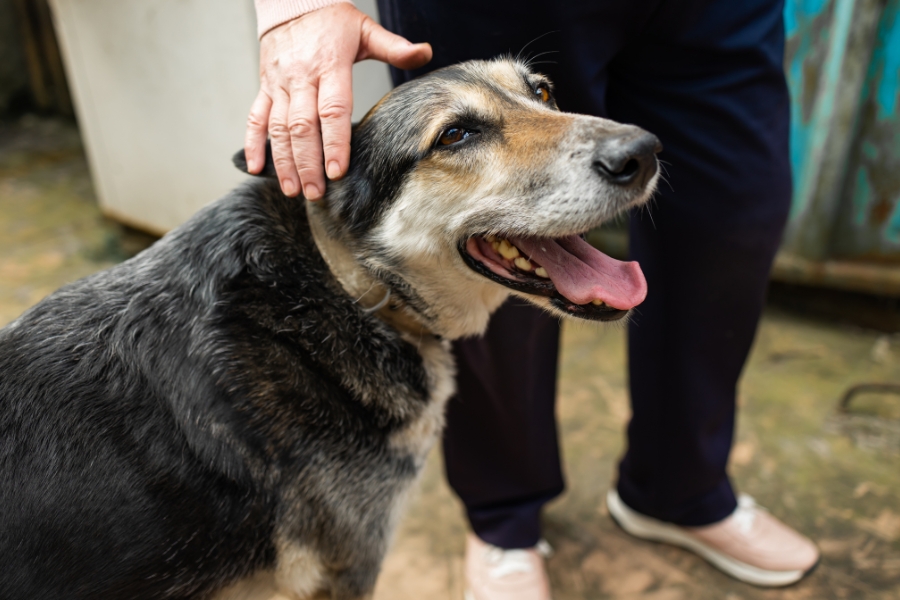
More than anything, aging pets need your love and presence. As they slow down, they often crave more time with their favorite human. Gentle grooming sessions, slow cuddles on the couch, or simply sitting nearby can do wonders.
Watch for signs of anxiety or depression, especially if they’ve lost a companion animal. Soft music, aromatherapy, and more one-on-one time can help soothe their emotions.
Aging is a natural part of life, and with the right care, your senior pet can enjoy their twilight years with dignity, joy, and health. From veterinary visits to daily walks and extra snuggles, every small action contributes to their well-being.
Their golden years deserve golden treatment—and your love is the best medicine of all.
Frequently Asked Questions (FAQs)
1. At what age is my pet considered a senior?
A: Most dogs and cats are considered senior around age 7, but this can vary by breed and size.
2. How often should I take my senior pet to the vet?
A: It’s recommended to schedule checkups every 6 months to monitor health and catch age-related issues early.
3. Should I change my pet’s diet as they age?
A: Yes, senior pets benefit from diets that support joint, heart, and digestive health. Consult your vet before making changes.
4. Is arthritis common in older pets?
A: Absolutely. Many senior pets develop arthritis. Treatments include supplements, prescription medications, and physical therapy.
5. How can I keep my aging pet mentally active?
A: Offer interactive toys, teach new tricks, rotate their toys regularly, and keep a consistent daily routine to reduce confusion.


Fast, Friendly Help
For New, Sick & Injured Pets!