

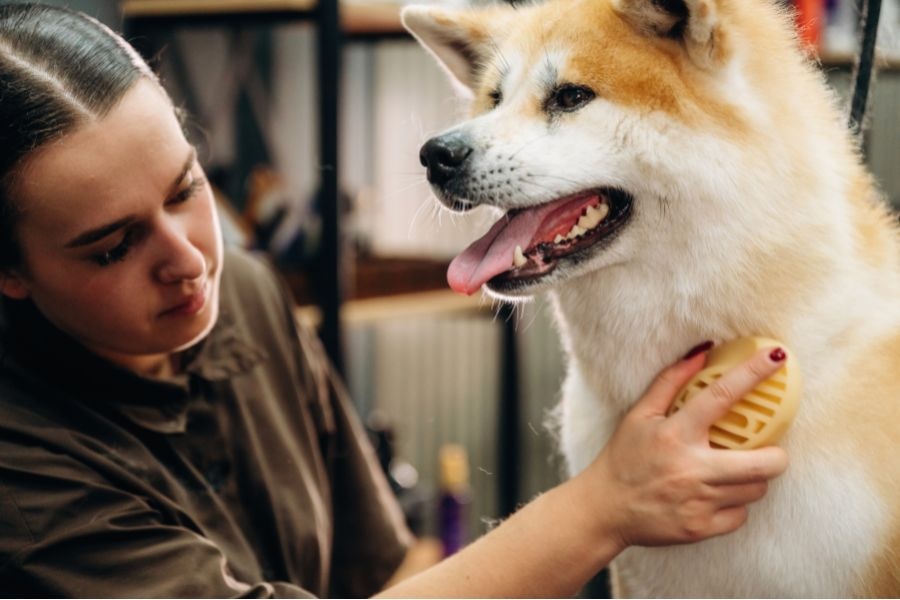
No two dogs are exactly alike — and neither are their grooming needs. Whether you have a curly-coated Poodle, a short-haired Beagle, or an active Labrador who lives for outdoor adventures, dog grooming looks different for every pet. Understanding how your dog’s breed, coat type, and daily lifestyle shape their care requirements is one of the most important steps in preventive care you can take as a pet owner. At Anclote Animal Hospital in Tarpon Springs, we believe personalized grooming is not just about keeping your dog clean — it is about keeping them genuinely healthy.
Why Breed Matters More Than Most Pet Owners Realize
Breed is one of the strongest predictors of your dog’s grooming needs, yet it is often overlooked in favor of a one-size-fits-all approach. Different breeds were developed for different purposes — herding, hunting, water retrieval, companionship — and their coats reflect those origins. Understanding your dog’s breed history is the first step in building a grooming routine that actually fits.
Double-coated breeds like Golden Retrievers, Bernese Mountain Dogs, and Siberian Huskies have a dense undercoat beneath a longer topcoat. These dogs shed heavily and require frequent brushing — sometimes daily — to prevent mats, manage shedding, and keep the coat functioning properly as natural insulation. Shaving these breeds is generally discouraged, as the double coat plays a critical role in regulating body temperature in both hot and cold weather.
Single-coated breeds like Maltese, Shih Tzus, and Yorkshire Terriers have hair that grows continuously rather than shedding seasonally. Without regular trims, this hair can grow into the eyes, ears, and paws — creating serious hygiene and health concerns. These breeds often require professional grooming every four to six weeks to keep their coat at a safe, manageable length.
How Coat Type Determines the Tools, Products, and Frequency You Need
Even within the same breed group, individual coat types can vary significantly. Coat texture — whether it is wiry, silky, curly, or smooth — determines not just how often grooming is needed, but which tools and products will actually work.
Curly and wavy coats, found in breeds like Poodles, Labradoodles, and Portuguese Water Dogs, are prone to matting because the curls trap loose fur rather than allowing it to shed naturally. Without consistent brushing and regular professional trims, mats can form quickly and tighten against the skin — causing discomfort, restricting airflow, and creating an environment where bacteria and moisture can build up. For these coat types, daily brushing with a slicker brush and a monthly professional groom is a strong baseline.
Smooth, short coats — common in Boxers, Beagles, and Dalmatians — are far lower maintenance but still benefit from weekly brushing to distribute natural oils and remove loose fur. These breeds may seem like they need less grooming attention, but regular coat checks and baths are still important parts of their preventive care routine, particularly for detecting skin irritations or early signs of parasites.
Wiry coats, such as those found in many terrier breeds, require a technique called hand-stripping to maintain proper texture and appearance. This is a specialized skill that most standard groomers may not offer — something worth researching when you are selecting a grooming professional for your terrier.
Lifestyle and Activity Level: The Missing Piece in Most Grooming Plans
Breed and coat type set the foundation for your dog’s grooming needs, but lifestyle is the variable that most pet owners underestimate. A dog that spends most of its time indoors on clean surfaces has very different grooming needs than a dog that hikes, swims, or spends hours playing in the yard every day.
Highly active dogs accumulate dirt, debris, allergens, and environmental residue in their coats far faster than their sedentary counterparts. They are also at higher risk of paw pad damage from rough terrain, ear problems from swimming, and parasite exposure from time spent outdoors. For these dogs, more frequent baths, regular paw inspections, and ear checks after every swim session are not excessive — they are necessary.
Dogs with a more relaxed, indoor lifestyle still need consistent grooming, but the schedule can typically be spaced out a bit more. That said, indoor living does not eliminate the need for regular nail trims, ear cleaning, or dental hygiene — all of which are key components of the health benefits of regular pet grooming that go far beyond coat maintenance.
Senior dogs represent another lifestyle category that deserves special consideration. As dogs age, their skin can become thinner and more sensitive, their nails may grow faster, and mobility limitations can make grooming sessions more challenging. Adjusting the grooming routine to accommodate a senior dog’s comfort level — using softer brushes, shorter sessions, and extra care around sensitive areas — is an important part of aging-focused preventive care.
The Health Benefits of Regular Pet Grooming Go Beyond a Clean Coat
One of the most important things to understand about dog grooming is that its value extends well beyond aesthetics. Regular grooming sessions are one of the most consistent opportunities to spot early signs of health problems before they escalate into serious conditions.
During a grooming session, you or your groomer may notice lumps or bumps beneath the coat, changes in skin color or texture, signs of parasites like flea dirt or attached ticks, ear discharge or odor, overgrown or cracked nails, and dental issues that could indicate gum disease. These are the kinds of findings that, caught early, lead to a quick and straightforward treatment. Left unnoticed, they can develop into costly and painful health problems.
The health benefits of regular pet grooming are especially significant in Tarpon Springs, where the warm and humid climate creates favorable conditions for skin infections, ear problems, and year-round parasite activity. Building a consistent grooming routine tailored to your dog’s individual needs is one of the smartest investments you can make in their long-term well-being.
Conclusion: Personalized Dog Grooming Is Preventive Care in Practice
Your dog’s grooming routine should be as unique as they are. Breed, coat type, and lifestyle all play a role in shaping what their care needs to look like — and a routine that works perfectly for your neighbor’s dog may leave yours under- or over-groomed. When dog grooming is approached with intention and personalization, it becomes one of the most effective and accessible forms of preventive care available to pet owners.
At Anclote Animal Hospital in Tarpon Springs, our team is here to help you understand your dog’s individual needs and build a care plan that supports their health inside and out. Schedule your dog’s wellness appointment today and let us help you create a grooming and preventive care routine designed specifically for your pet.
At Anclote Animal Hospital in Tarpon Springs, we are committed to helping every pet receive the personalized care they deserve. Book your pet’s wellness visit today and take the first step toward a healthier, happier dog.
Frequently Asked Questions
Q1. How do I know what grooming routine is right for my dog’s breed and coat type?
Start by researching your dog’s breed standard, then consult with your veterinarian or a professional groomer. At Anclote Animal Hospital, our team can help you identify your dog’s specific coat type and recommend a grooming schedule and product routine tailored to their individual needs.
Q2. Are the health benefits of regular pet grooming really that significant?
Absolutely. Regular grooming sessions create consistent opportunities to detect parasites, skin conditions, lumps, ear infections, dental problems, and nail issues early — before they become serious. For dogs in Tarpon Springs, where warm weather extends parasite season year-round, routine grooming is an especially important layer of preventive care.
Q3. How often should an active, outdoor dog be bathed compared to a mostly indoor dog?
Active dogs who swim, hike, or spend significant time outdoors typically benefit from a bath every two to three weeks, or after particularly muddy outings. Indoor dogs can often go three to four weeks between baths. In both cases, coat type and skin sensitivity should also factor into the frequency.
Q4. Can I use the same grooming tools for any coat type?
No — grooming tools are not universal. Slicker brushes work well for curly and wavy coats; bristle brushes suit smooth, short coats; and undercoat rakes are best for double-coated breeds. Using the wrong tool can be ineffective or even damaging to the coat. A professional groomer or your veterinarian can recommend the right tools for your specific dog.
Q5. When should I adjust my dog’s grooming routine as they get older?
Senior dogs often need grooming adjustments as their skin becomes more sensitive, their nails grow faster, and their tolerance for longer sessions may decrease. If your dog is showing signs of discomfort during grooming or their coat and skin condition has changed noticeably, schedule a wellness visit to reassess their grooming plan.
Related Articles


Fast, Friendly Help
For New, Sick & Injured Pets!