


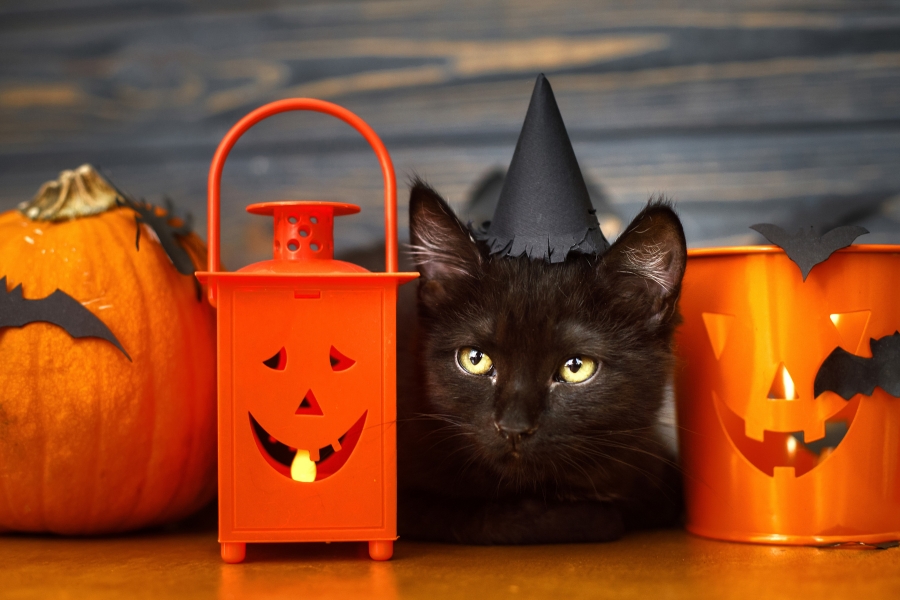
Halloween can be an exciting time for families, but it’s often overwhelming for pets. Costumes, decorations, trick-or-treaters, and loud noises can trigger anxiety, leading to destructive behavior, hiding, or even health issues. Understanding how to reduce pet stress from costumes and crowds is essential to ensure your furry friends enjoy the festivities safely and calmly.
Whether you’re a new pet owner or a seasoned one, these tips and strategies will help your dog or cat navigate Halloween without anxiety.
Why Pets Get Stressed During Halloween
Pets rely on familiar routines and environments. Sudden changes—like costumes, visitors at the door, or crowded gatherings—can overwhelm them. Common stress signs include:
- Panting or trembling
- Hiding or refusing to come out
- Barking, growling, or hissing
- Loss of appetite or vomiting
- Pacing or restlessness
Veterinarians emphasize that even mild anxiety can escalate if not addressed, making it essential to plan ahead and provide a safe, comforting environment for your pet.
1. Introduce Costumes Gradually
Costumes can be fun for photos and events, but many pets find them uncomfortable or intimidating.
Tips to reduce costume-related stress:
- Start small: Begin with accessories like bandanas or hats before moving to full outfits.
- Short practice sessions: Let your pet wear the costume for a few minutes at home to get used to it.
- Comfort is key: Ensure the costume does not restrict movement, vision, or breathing.
- Observe reactions: If your pet shows persistent signs of distress, skip the costume altogether.
2. Create a Safe Space for Your Pet
During Halloween, doors constantly open, and crowds gather, which can be stressful for pets. A designated safe space helps them feel secure.
How to set up a calm environment:
- Choose a quiet room away from the main event.
- Include familiar items like bedding, toys, and blankets.
- Consider playing soft, calming music or white noise to block out the doorbell and chatter.
- Use calming collars or pheromone diffusers if your pet is particularly anxious.
This retreat allows your pet to observe the festivities from a distance without feeling trapped or threatened.
3. Maintain Routine and Consistency
Pets thrive on routine. Sudden changes in feeding, walking, or sleeping schedules can increase stress.
Actionable steps:
- Stick to regular feeding times, walks, and play sessions.
- Avoid excessive handling or forcing your pet into social situations.
- Gradually introduce new experiences to prevent sensory overload.
Keeping consistency reduces uncertainty and helps pets feel safe during otherwise chaotic events.
4. Monitor Crowds and Interactions
Large crowds of strangers can be overwhelming, especially for shy or older pets.
Tips for managing social stress:
- Limit exposure to crowded areas or outdoor Halloween gatherings.
- Use leashes or carriers for safe navigation if you take your pet outside.
- Avoid forcing interactions with children or visitors; let your pet approach on their terms.
- Reward calm behavior with treats or praise to reinforce positive experiences.
For highly anxious pets, consider skipping high-traffic events altogether in favor of a calm, indoor Halloween celebration.
5. Provide Stress-Relief Products
Veterinarians often recommend products that help reduce anxiety during stressful events:
- Calming collars or pheromone diffusers
- Interactive toys to keep pets occupied and distracted
- Chew-safe treats to relieve tension naturally
Always introduce these items before Halloween so your pet becomes familiar with them.
Quick Checklist for a Stress-Free Halloween
✅ Introduce costumes gradually and check for comfort
✅ Create a quiet, safe retreat space
✅ Maintain consistent feeding and exercise routines
✅ Limit exposure to crowds and overwhelming stimuli
✅ Provide vet-approved calming aids or treats
✅ Monitor for signs of anxiety and respond promptly
Halloween can be fun for pets too, but only when their safety and comfort come first. By following these tips on how to reduce pet stress from costumes and crowds, you’ll ensure a calm, enjoyable experience for your furry friend.
Remember: Every pet is unique. Introduce costumes and new experiences slowly, maintain a safe environment, and don’t hesitate to contact your veterinarian for tailored advice. With a little planning, your pet can enjoy the festivities safely—without fear or stress. 🐾🎃
FAQs
Q1. How can I tell if my pet is stressed by costumes?
Ans. Signs include trembling, hiding, trying to remove the outfit, excessive licking, or growling. Always remove the costume if your pet seems distressed.
Q2. Are calming collars safe for all pets?
Ans. Most pets tolerate pheromone-based calming collars well, but check with your veterinarian, especially for pets with allergies or skin sensitivities.
Q3. What should I do if my pet panics around crowds?
Ans. Move them to a quiet room, provide familiar items, and allow them to observe from a distance. Avoid forcing interactions until they calm down.
Q4. Can I give my pet treats to reduce stress?
Ans. Yes—vet-approved treats can help reward calm behavior and provide a positive distraction. Avoid human candy or toxic ingredients like chocolate or xylitol.
Q5. How early should I start costume training?
Ans. Introduce costumes or accessories at least a few days before Halloween. Gradual exposure helps pets adjust and prevents sudden anxiety.

Fast, Friendly Help
For New, Sick & Injured Pets!