


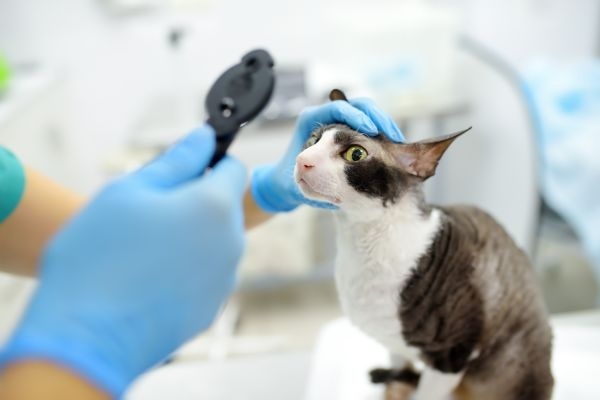
Clear, bright eyes are a fundamental indicator of your pet’s overall health and vitality. Because domestic animals rely heavily on visual cues alongside their keen senses of smell and hearing, maintaining optimal ocular function is vital to their daily quality of life. Recognizing sudden eye changes in companion animals is critical, as acute shifts in eye clarity, discharge, or lid alignment frequently point to developing corneal, lens, or intraocular conditions.
Because dogs and cats naturally attempt to hide physical discomfort, minor ocular symptoms can quickly evolve without early clinical observation. Seeking urgent vet care ensures that medical teams evaluate acute eye shifts quickly, protecting sensitive optical tissues and delivering immediate relief for non-life-threatening conditions. For pet owners living in Tarpon Springs, knowing how to interpret sudden eye symptoms ensures your companion receives gentle, effective medical support before complications arise.
Understanding Ocular Vulnerability in Companion Animals
An animal’s eye is a complex organ made up of delicate surface layers, fluid-filled chambers, and light-sensitive neural pathways. When unexpected environmental factors or underlying health changes affect these structures, noticeable symptoms manifest quickly.
Corneal Integrity and Surface Trauma
The transparent outer layer of the eye, known as the cornea, remains vulnerable to scratches from tall grass, outdoor brush, or foreign dust particles. Even a minor surface abrasion can cause rapid fluid absorption within corneal layers, creating a foggy or bluish appearance across the eye surface.
Intraocular Fluid Pressure Regulation
Fluid continuously circulates within the anterior chamber of the eye to maintain shape and nourish internal tissues. If internal drainage pathways become obstructed, intraocular pressure rises rapidly, causing significant ocular distress, corneal clouding, and dilated pupils.
Eyelid Alignment and Protective Reflexes
Eyelids serve as a natural barrier against environmental debris. Spasms of the eyelid muscles, swelling of the surrounding tissue, or severe squinting signal underlying corneal irritation or pain that requires immediate diagnostic clarity.
Navigating Ocular Symptoms: Home Observation vs. Clinical Care
Knowing when an ocular symptom can be safely observed at home versus when it requires intermediate clinical care protects your pet’s long-term vision.
Safe for Home First Aid (Minor External Variations)
If your companion displays any of the following subtle signs while remaining energetic, comfortable, and alert, initial observation at home is appropriate:
- Mild, clear watery eye tearing following outdoor play in windy conditions
- Transient, minor eye squinting that disappears within an hour of quiet rest
- Intact navigational confidence across brightly lit and dark indoor spaces
- Normal, equal pupil responses when transitioning between sunlit and shaded areas
Indicators Requiring Immediate Clinical Evaluation
If your pet exhibits signs of acute ocular distress or sudden visual difficulty, seeking urgent pet care prevents secondary optical complications:
- Sudden, dense cloudiness, bluish haze, or blood spots visible within the eye
- Continuous, severe squinting, holding an eye tightly shut, or persistent blinking
- Relentless pawing at the face, rubbing the eyes against furniture, or head shaking
- Thick green, yellow, or bloody discharge accumulating along the eyelids
- Wide, asymmetrical pupils that fail to constrict when exposed to bright light
Diagnostic Evaluations for Sudden Eye Changes
When you seek urgent vet care for optical concerns, clinical teams utilize rapid point-of-care diagnostic tools to inspect eye health and determine the root cause of discomfort without delay.
- Fluorescein Dye Application: Applies a temporary specialized dye that highlights hidden corneal scratches, surface ulcers, and tissue tears under cobalt blue illumination.
- Ophthalmic Tonometry Testing: Measures intraocular fluid pressure quickly and gently using a soft, non-invasive probe to detect pressure spikes instantly.
- Slit-Lamp and Ophthalmoscopic Examination: Delivers high-definition magnification to evaluate lens clarity, the iris, the anterior chamber, and retinal structures in real time.
Combining rapid diagnostic findings with pet-safe anti-inflammatory drops, protective lubrications, or pressure-regulating medications stops pain at its source and safeguards your companion’s eyesight.
Supporting Active Companions in Tarpon Springs
Protecting your pet’s vision requires attentive daily care, routine checks, and staying mindful of subtle behavioral shifts. Inspecting your companion’s eyes after outdoor adventures in parks or sandy coastal areas allows you to catch surface irritations before they escalate.
If you are from Tarpon Springs and looking for urgent vet care, taking swift action at the first sign of optical haze, discharge, or discomfort gives your pet the best opportunity for a full, smooth recovery.
Providing timely medical attention when health changes occur preserves your companion’s quality of life and strengthens the lifelong bond you share.
Taking Action for Your Pet’s Visual Comfort
When your dog or cat exhibits unexpected eye symptoms, sudden cloudiness, or physical discomfort, securing a prompt evaluation keeps their recovery moving in the right direction. You can schedule an online appointment through our portal to reserve a convenient time for your pet to be examined by our medical staff.
If your companion is actively displaying uncomfortable eye symptoms or sudden optical changes and you prefer to speak directly with our clinical staff before arriving, please call our team at 727-934-0814 so we can offer immediate guidance and prepare for your visit.
Our dedicated medical team looks forward to delivering gentle, expert care for your companion at Anclote Animal Hospital.
Frequently Asked Questions
Q1. What causes a pet’s eye to suddenly turn red and swollen?
Ans: Sudden eye redness and swelling usually stem from foreign material irritation, allergic reactions, corneal scratches, elevated internal eye pressure, or bacterial infections. Because these varied issues produce similar outward signs, a thorough veterinary evaluation using specialized diagnostic stains and pressure tests is necessary to determine the proper treatment.
Q2. Can home eye drops for humans be used safely on pets?
Ans: No. Over-the-counter human eye drops can contain chemical ingredients or steroids that worsen corneal ulcers, elevate intraocular pressure, or cause severe stinging in dogs and cats. Treating eye conditions safely requires veterinary diagnosis and medications specifically formulated for animal physiology.
Q3. Why does my pet keep rubbing their eye against the rug?
Ans: Persistent rubbing or pawing indicates active pain, severe itching, or foreign material trapped under the eyelid. While rubbing is a natural attempt to relieve discomfort, it frequently causes secondary corneal scratches and transfers environmental bacteria into the eye, making prompt clinical care essential.
Q4. Is sudden eye cloudiness always accompanied by vision loss?
Ans: Not always. Mild surface cloudiness from minor corneal edema may temporarily obscure clarity without causing complete blindness. However, deep cloudiness caused by high intraocular pressure, severe corneal ulcers, or mature cataracts significantly impacts vision and requires swift veterinary intervention to restore optical health.
Q5. How should I transport my pet safely to the clinic with an eye condition?
Ans: Keep your vehicle cool, quiet, and shaded from direct sunlight. Place small pets in a padded carrier lined with soft towels, and fit larger dogs with a protective cone or soft Elizabethan collar if they attempt to rub their face against vehicle seats during transport.


Fast, Friendly Help
For New, Sick & Injured Pets!