


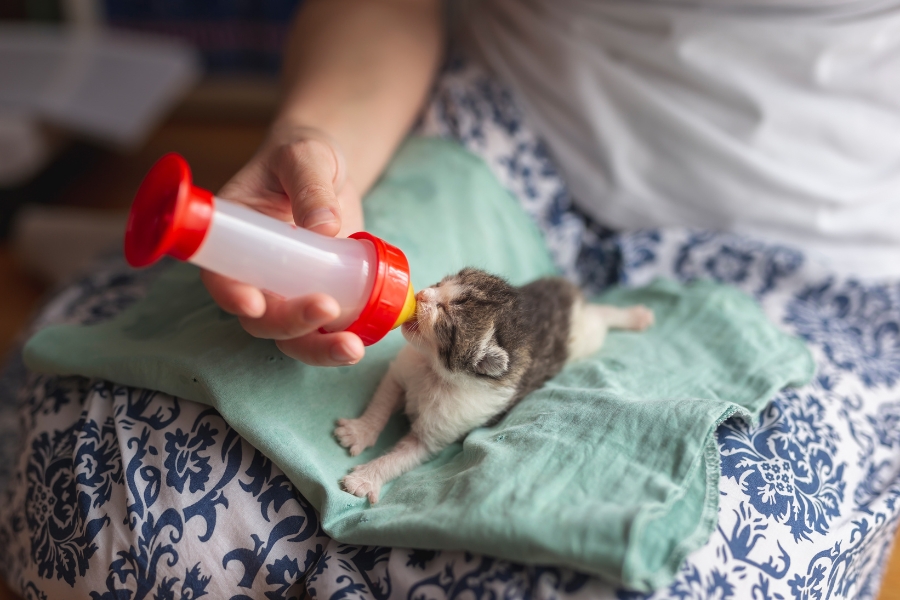
Bringing home a kitten is an exciting and joyful experience! Those bright eyes, playful paws, and soft purrs can instantly melt anyone’s heart. However, caring for a kitten requires patience, attention, and a good understanding of their unique needs. Whether you’re a first-time cat parent or adding a new furry member to your family, proper kitten care ensures your little one grows into a healthy and happy cat.
In this guide, we’ll cover everything you need to know about feeding, grooming, training, and keeping your kitten safe.
1. Setting Up a Safe Space
Before your kitten arrives, it’s essential to prepare a safe and welcoming environment. Kittens are curious and love to explore, which means they can easily get into trouble.
Start by kitten-proofing your home. Remove or secure small objects, electrical cords, and toxic plants. Create a cozy space with a soft bed, toys, scratching post, and litter box. This helps your kitten feel secure while they adjust to their new surroundings.
Over time, gradually allow them to explore more areas of your home.
2. Feeding Your Kitten the Right Way
Nutrition plays a vital role in your kitten’s growth and development. Kittens require a diet rich in protein, fat, and essential nutrients to support their rapid growth.
- Choose a high-quality kitten food specifically formulated for their age.
- Feed them 3–4 small meals daily until they reach six months old.
- Always provide fresh water to keep them hydrated.
Avoid feeding your kitten cow’s milk, as it can cause stomach upset. If you’re uncertain about the best diet, consult your veterinarian for recommendations.
3. Litter Box Training
Most kittens naturally understand how to use a litter box, but a little guidance helps reinforce good habits.
Place the litter box in a quiet, accessible location. Show your kitten where it is after meals or naps. Keep it clean daily, as cats dislike dirty boxes and may refuse to use them.
If accidents happen, don’t punish your kitten. Instead, stay patient and consistent — they’ll learn quickly.
4. Socializing and Bonding
Kittens thrive on interaction and affection. Early socialization helps them become friendly, confident adult cats.
Spend quality time playing with your kitten daily. Use feather wands, balls, or laser pointers to engage their hunting instincts. Handling your kitten gently and regularly also helps them get comfortable with touch and grooming.
Expose them gradually to new people, sounds, and experiences to build their confidence.
5. Grooming and Hygiene
Even though cats are known for their self-cleaning habits, kittens still need your help maintaining good hygiene.
- Brushing: Start brushing early to reduce shedding and prevent matting, especially for long-haired breeds.
- Bathing: Most kittens rarely need baths, but if necessary, use a gentle, cat-safe shampoo.
- Nail Trimming: Trim their nails every few weeks to prevent scratching and discomfort.
- Ear and Eye Care: Gently clean their ears and eyes with vet-approved wipes if needed.
Regular grooming sessions not only keep your kitten clean but also strengthen your bond.
6. Veterinary Visits and Vaccinations
Regular veterinary care is essential for a healthy start. Schedule your kitten’s first vet visit soon after adoption.
During this appointment, your vet will:
- Perform a full physical exam
- Recommend vaccinations
- Discuss flea and worm prevention
- Advise on spaying or neutering
Vaccines protect your kitten from common diseases like feline distemper and respiratory infections. Keep a schedule to stay up-to-date with booster shots and wellness checks.
7. Training and Enrichment
Kittens are smart and eager to learn. With patience, you can train them to follow basic commands or good behaviors.
Encourage scratching on posts instead of furniture, reward them for using the litter box, and provide enrichment through interactive toys or puzzle feeders.
Training and mental stimulation keep your kitten engaged and reduce unwanted behavior.
8. Understanding Kitten Behavior
Your kitten’s behavior tells you a lot about how they’re feeling. Purring usually indicates contentment, while flattened ears or hissing signal fear or discomfort.
Recognizing these cues helps you respond appropriately and build trust. Remember — kittens are playful but also need plenty of rest. They may nap up to 16–20 hours a day, which is perfectly normal!
Raising a kitten is a rewarding journey filled with joy, learning, and love. With the right care, training, and attention, your kitten will grow into a happy, healthy cat that brings years of companionship.
If you’re looking for professional kitten care in Tarpon Springs, FL, the experienced team at Anclote Animal Hospital is here to help. From wellness exams and vaccinations to nutrition and behavior advice, they’ll guide you every step of the way to ensure your kitten thrives.
FAQs
Q1. When should I take my kitten to the vet for the first time?
Ans. Ideally, schedule a vet visit within the first week of bringing your kitten home for a wellness check and vaccination plan.
Q2. What kind of food should I feed my kitten?
Ans. Feed your kitten a high-quality food formulated for kittens, rich in protein and essential nutrients for growth.
Q3. How often should kittens eat?
Ans. Kittens under six months should eat 3–4 small meals daily. After that, you can transition to two meals a day.
Q4. Do kittens need baths?
Ans. Not usually, as cats are naturally clean. Only bathe your kitten if they’re very dirty or advised by a vet.
Q5. When should I spay or neuter my kitten?
Ans. Most vets recommend spaying or neutering around 5–6 months of age, depending on health and breed.
Q6. How can I stop my kitten from scratching furniture?
Ans. Provide scratching posts and encourage their use with catnip or toys. Reward your kitten for using them.



Fast, Friendly Help
For New, Sick & Injured Pets!