

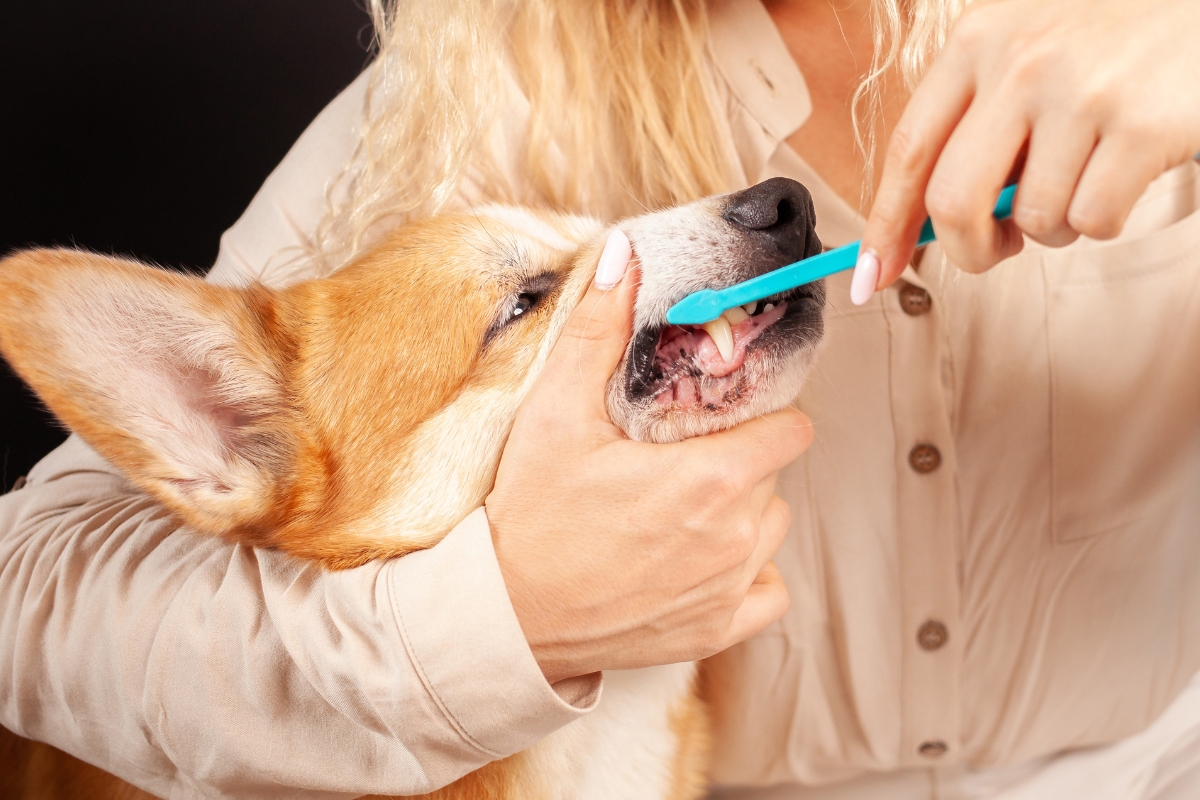
Dental care is one of the most overlooked aspects of dog ownership. However, maintaining your dog’s oral hygiene is just as important as keeping them well-fed or exercised. Poor dental care can lead to plaque buildup, gum disease, tooth loss, and even serious infections that affect internal organs.
The good news? With consistent care and the right techniques, you can keep your dog’s teeth clean and their breath fresh — right at home! Let’s walk through everything you need to know about how to clean your dog’s teeth safely and effectively.
Why Cleaning Your Dog’s Teeth Matters
Just like humans, dogs accumulate plaque and tartar on their teeth. If left untreated, this buildup can cause periodontal disease, which affects the gums and the structures supporting the teeth. Over time, bacteria from dental disease can enter the bloodstream and damage vital organs like the heart, liver, and kidneys.
Regular dental cleaning prevents:
- Bad breath (halitosis)
- Painful gum infections
- Tooth decay or loss
- Costly dental surgeries later in life
Moreover, consistent brushing helps your dog live a longer and healthier life.
1. Gather the Right Tools
Before starting, make sure you have all the necessary supplies:
- Dog toothbrush: Choose one with soft bristles or a finger brush.
- Dog-safe toothpaste: Never use human toothpaste, as it can be toxic to dogs. Pick flavors they like (such as chicken or beef).
- Dental wipes or pads: Useful for quick cleanups.
- Treats or rewards: Positive reinforcement encourages cooperation.
Having everything ready makes the process smoother and less stressful for your pup.
2. Get Your Dog Comfortable
Before introducing a toothbrush, let your dog get used to having their mouth touched. Start by gently lifting their lips and rubbing their gums with your finger for a few seconds. Gradually increase the duration over several days.
Once your dog is relaxed with this process, introduce the toothbrush slowly. Always use positive reinforcement—praise them and offer treats after every small step. This helps your dog associate teeth cleaning with a positive experience.
3. Choose the Right Time and Place
Timing matters! Select a quiet and calm environment, ideally when your dog is relaxed — perhaps after exercise or playtime. Sit or kneel beside your dog instead of standing over them, as it makes them feel safer.
A familiar routine also helps. Try brushing at the same time each day so your dog knows what to expect.
4. Start the Brushing Process
Now that your dog is calm and used to the tools, it’s time to begin brushing:
- Apply a small amount of dog toothpaste to the brush.
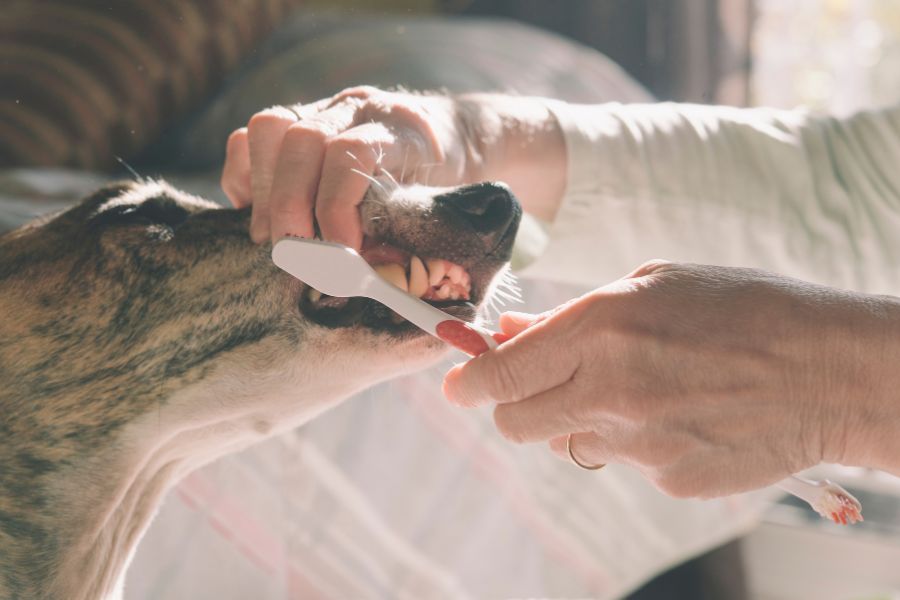
- Gently lift your dog’s lip to expose the teeth.
- Brush in small circular motions, focusing on the outer surfaces where plaque tends to build.
- Gradually work around the mouth, cleaning a few teeth at a time.
- Aim for at least 2–3 minutes per session.
Remember: patience is key! If your dog resists, start with shorter sessions and increase the duration gradually.
5. Add Dental Treats and Chews
While brushing is the gold standard, dental treats and chews can help reduce plaque between brushings. Look for vet-approved products that are designed to clean teeth as your dog chews.
Additionally, dental toys made of durable rubber can massage gums and scrape away soft tartar. Always supervise your dog to prevent choking hazards.
6. Consider Water Additives and Oral Sprays
If your dog strongly dislikes brushing, water additives and oral sprays can be an excellent supplement. These products contain enzymes and antibacterial agents that freshen breath and slow down plaque formation.
Simply add the recommended amount to your dog’s water bowl or spray it directly into their mouth — it’s a quick and easy way to support oral health daily.
7. Schedule Regular Professional Cleanings
Even with consistent home care, professional dental cleanings are essential. Veterinarians can perform a thorough examination under anesthesia to remove tartar buildup and check for hidden dental problems.
Most vets recommend a professional cleaning once a year, but it may vary based on your dog’s breed, diet, and overall health.
Signs Your Dog Needs Dental Attention
Watch for these warning signs that may indicate dental issues:
- Persistent bad breath
- Red or bleeding gums
- Yellow or brown buildup on teeth
- Difficulty chewing or eating
- Drooling excessively
- Pawing at the mouth
If you notice any of these, schedule a veterinary visit immediately. Early treatment prevents pain and serious complications.
Learning how to clean your dog’s teeth is one of the best ways to protect their health and happiness. Regular brushing, healthy dental treats, and professional checkups work together to prevent dental diseases and improve your dog’s quality of life.
If you’re searching for expert dog dental care in Tarpon Springs, FL, the compassionate team at Anclote Animal Hospital is here to help. Our veterinarians provide professional dental exams, cleanings, and personalized guidance to keep your pet’s smile healthy and bright.

Fast, Friendly Help
For New, Sick & Injured Pets!