


When it comes to your cat’s health, dental care is often overlooked. Yet, just like humans, cats are prone to dental issues that can affect their overall health. Regular brushing, professional cleanings, and the right diet are essential for keeping your cat’s teeth clean and healthy. If you’ve noticed your cat’s bad breath or reluctance to eat, it might be time to start thinking about their dental hygiene. Fortunately, with the right care, you can easily prevent common dental problems such as tartar buildup, gingivitis, and periodontal disease.
In this blog, we’ll guide you through the essential steps you can take to ensure your cat’s teeth stay in excellent condition for years to come.
Why Dental Health Matters for Cats
Cats, unlike us, don’t have the means or habit to maintain their dental health. Over time, plaque and tartar can build up on their teeth, leading to gum disease, tooth decay, and other serious health concerns. Dental disease can affect your cat’s heart, kidneys, and liver, making regular dental care essential to their overall well-being.
The good news is that by taking preventive measures, you can avoid many of these issues. The earlier you start caring for your cat’s teeth, the easier it will be to keep them healthy and free from painful conditions.
1. Regular Brushing is Key
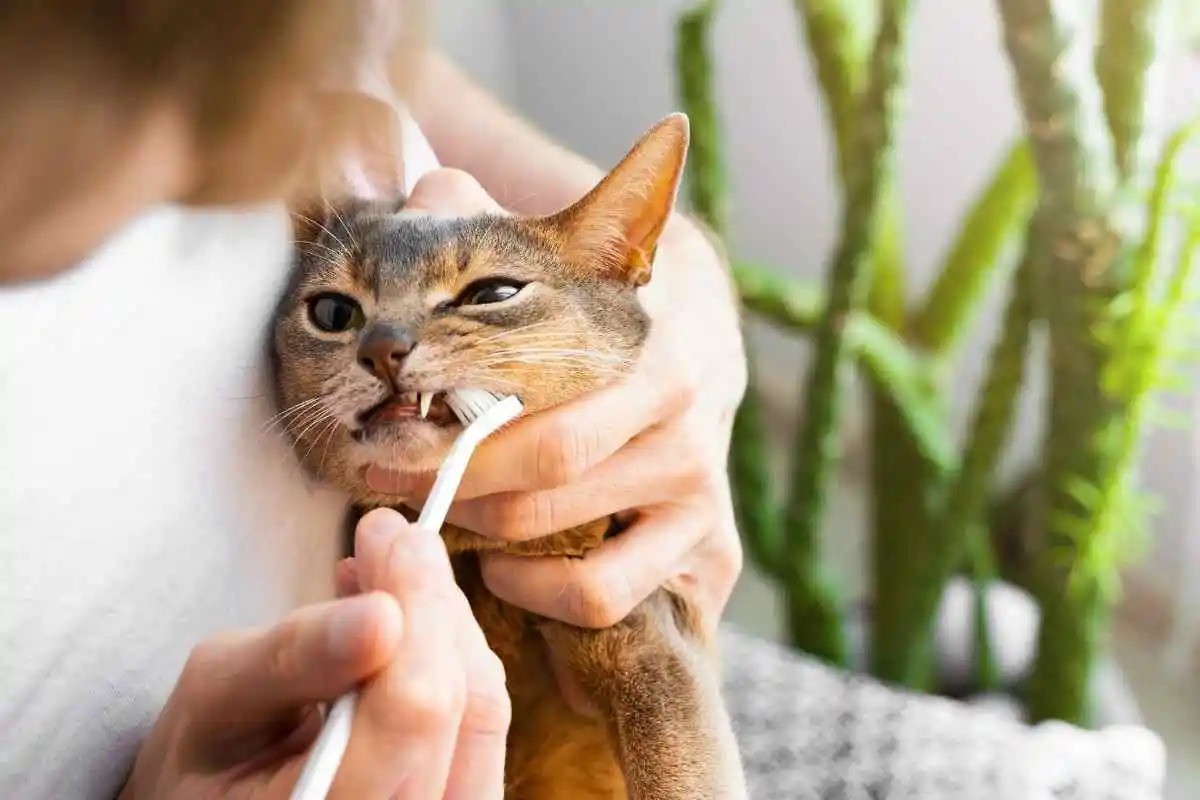
The most effective way to prevent plaque and tartar buildup is by brushing your cat’s teeth. While it may seem challenging at first, with patience, your cat can get used to the process. Here’s how you can start:
- Choose the Right Toothbrush and Toothpaste: Never use human toothpaste on your cat’s teeth, as it can be harmful. Instead, purchase a cat-friendly toothbrush and toothpaste from your vet or pet store. These are designed specifically for feline dental health.
- Start Slowly: Begin by allowing your cat to taste the toothpaste and getting them used to having their mouth touched. Gradually introduce the toothbrush, and start brushing for short periods, eventually working your way up to brushing all their teeth.
- Brush Gently: Make sure to brush gently along the gum line and teeth, as aggressive brushing can irritate your cat’s gums. Focus on the back teeth, where plaque and tartar tend to accumulate the most.
2. Offer Dental Treats and Toys
In addition to brushing, there are other ways to help clean your cat’s teeth. Dental treats and toys designed specifically for oral health can assist in reducing plaque and tartar buildup.
- Dental Chews: Some treats are designed with textures that help clean your cat’s teeth as they chew. Look for treats approved by the Veterinary Oral Health Council (VOHC) for the best results.
- Chew Toys: Interactive chew toys can also stimulate your cat’s gums and help prevent dental disease. Look for toys made with soft, rubber materials that are safe for your cat’s teeth.
These options not only help clean teeth but also serve as a form of enrichment, ensuring your cat stays mentally and physically engaged.
3. Provide the Right Diet
The food your cat eats plays a significant role in their dental health. Some types of cat food can help reduce plaque buildup, while others can contribute to dental issues.
- Dry Food vs. Wet Food: Dry food can help scrub your cat’s teeth and reduce plaque buildup. However, it’s not a substitute for brushing. Wet food can stick to teeth and contribute to plaque formation, so it’s essential to balance the diet with dry food and dental treats.
- Prescription Diets: Some veterinarians may recommend prescription diets that are specially formulated to support your cat’s dental health. These foods often contain larger kibble sizes or special ingredients that help clean teeth as your cat chews.
- Avoid Sugary Foods: Just like in humans, sugary foods can contribute to dental problems in cats. Avoid giving your cat human snacks or treats, as these can lead to plaque buildup and even tooth decay.
4. Regular Vet Checkups and Professional Cleanings
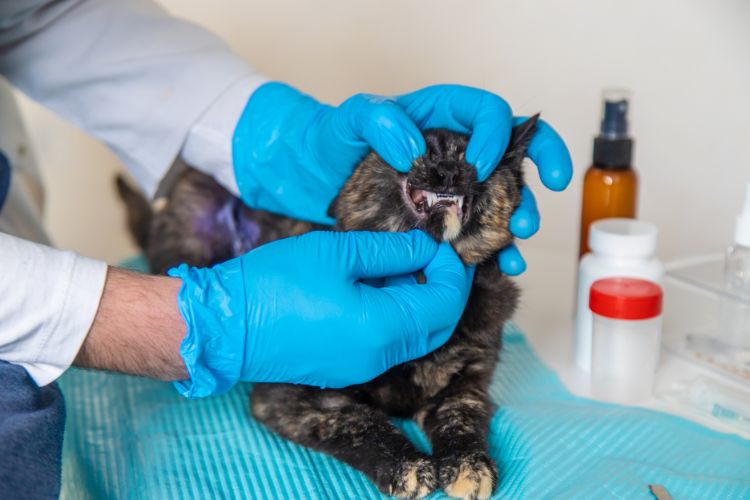
Even with at-home care, it’s crucial to have your cat’s teeth professionally cleaned by a veterinarian. Regular checkups are essential for detecting early signs of dental disease that may not be visible to the naked eye.
- Annual Dental Exams: During your cat’s annual checkup, the veterinarian will assess their dental health, check for signs of gum disease, and recommend any treatments needed.
- Professional Cleanings: In some cases, your cat may need a professional cleaning to remove tartar that has built up on their teeth. This procedure is done under anesthesia to ensure your cat remains calm and comfortable. After the cleaning, your vet can advise on ongoing dental care to maintain your cat’s oral health.
5. Watch for Warning Signs of Dental Issues
Being proactive about your cat’s dental health means keeping an eye out for any signs of trouble. Some symptoms to watch for include:
- Bad Breath: If your cat’s breath smells unpleasant or foul, it could be a sign of dental disease.
- Difficulty Eating: If your cat seems to avoid hard food, drops food while eating, or appears to have trouble chewing, it might be due to pain from dental problems.
- Swollen Gums: Red or swollen gums could indicate gingivitis, a common condition in cats.
- Excessive Drooling: Increased salivation can sometimes be a sign of oral health problems.
If you notice any of these symptoms, it’s important to visit your veterinarian for a dental evaluation.
By taking the right preventive measures, you can keep your cat’s teeth clean and healthy for years to come. Brushing their teeth, offering dental treats and toys, providing the right diet, and scheduling regular vet checkups all contribute to maintaining optimal oral health.
If you’re looking for professional guidance and support, don’t hesitate to schedule an appointment with Anclote Animal Hospital. Our team is here to help ensure your cat’s dental health remains in top shape.
FAQs
Q1. How often should I brush my cat’s teeth?
Ans. Ideally, you should brush your cat’s teeth at least 2-3 times a week. Daily brushing is even better for preventing plaque buildup.
Q2. What are the signs that my cat needs a professional dental cleaning?
Ans. Signs include bad breath, difficulty eating, swollen gums, and excessive drooling. If you notice these symptoms, it’s time for a veterinary checkup.
Q3. Can I use human toothpaste on my cat?
Ans. No, human toothpaste contains fluoride, which is toxic to cats. Always use toothpaste specifically made for pets.
Q4. Do dental treats really help?
Ans. Yes, dental treats are designed to reduce plaque and tartar buildup. However, they should be used alongside brushing for the best results.
Q5. What should I do if my cat has gingivitis?
Ans. If your cat has gingivitis, schedule an appointment with your veterinarian. They can provide professional treatment and recommend home care strategies.
Q6. Are there any foods that can help my cat’s teeth?
Ans. Dry food and certain dental treats are good for your cat’s teeth. However, they should not replace regular brushing and professional cleanings.

Fast, Friendly Help
For New, Sick & Injured Pets!