

Healthy teeth and gums are a key part of your pet’s overall well-being, yet many pet owners often overlook dental care. Daily habits, diet, and routine checkups all play an important role in keeping your pet comfortable and free from pain. Ignoring oral hygiene can lead to serious health problems that go far beyond the mouth.
This guide is especially for pet owners of Tarpon Springs, FL, who want to better understand how to care for their pet’s teeth and gums. Learning what to look for and how to maintain good habits can help prevent long-term issues. Paying attention to small changes in your pet’s behavior or eating patterns can make a lasting difference in their health.
Why Oral Health Deserves More Attention
Oral health is not only about clean teeth or fresh breath. Poor oral health in pets can lead to infections that spread throughout the body and affect major organs. Bacteria from the mouth can enter the bloodstream and cause problems in the heart, liver, and kidneys over time.
Many pets hide discomfort very well, which makes dental problems harder to notice early. A pet may continue eating or playing while silently dealing with pain. Regular observation and routine visits to the vet help detect issues before they become serious.
Taking care of your teeth seriously helps your pet live a more comfortable and active life. Preventive dental care reduces the chances of more complex treatments and avoids unnecessary discomfort for your pet.
Common Signs Your Pet May Have Dental Issues
Recognizing early warning signs can help you take action before problems worsen. Many symptoms start small but gradually become more noticeable if left untreated.
- Bad breath that lingers
An unpleasant odor that does not improve may indicate bacterial buildup or a mouth infection. - Changes in eating habits
Eating slower, dropping food, or avoiding hard treats can signal discomfort while chewing. - Red or swollen gums
Healthy gums should appear pink, while redness or swelling often points to irritation. - Yellow or brown deposits on teeth
Tartar buildup is a clear sign that your pet needs attention and cleaning. - Pawing at the mouth frequently
Repeated face touching or rubbing can indicate pain or irritation.
Monitoring these signs helps you respond early and seek guidance from the veterinary team when needed.
What Causes Dental Problems in Pets
Dental issues develop over time due to plaque and bacterial buildup. Food particles left on teeth combine with bacteria to form plaque, which hardens into tartar if not removed. The buildup irritates the gums and can lead to infection if ignored.
Diet plays a role in how quickly plaque forms on teeth. Soft foods may stick to teeth more easily, while certain treats can help reduce buildup. Genetics and age also influence how likely a pet is to develop dental problems.
Regular care and routine checkups help prevent these issues from becoming severe. Understanding the causes allows pet owners to take better steps toward prevention.
Daily Habits That Make a Big Difference
Consistent care at home is one of the most effective ways to maintain your pet’s dental health. Simple routines can prevent plaque buildup and keep your pet comfortable.
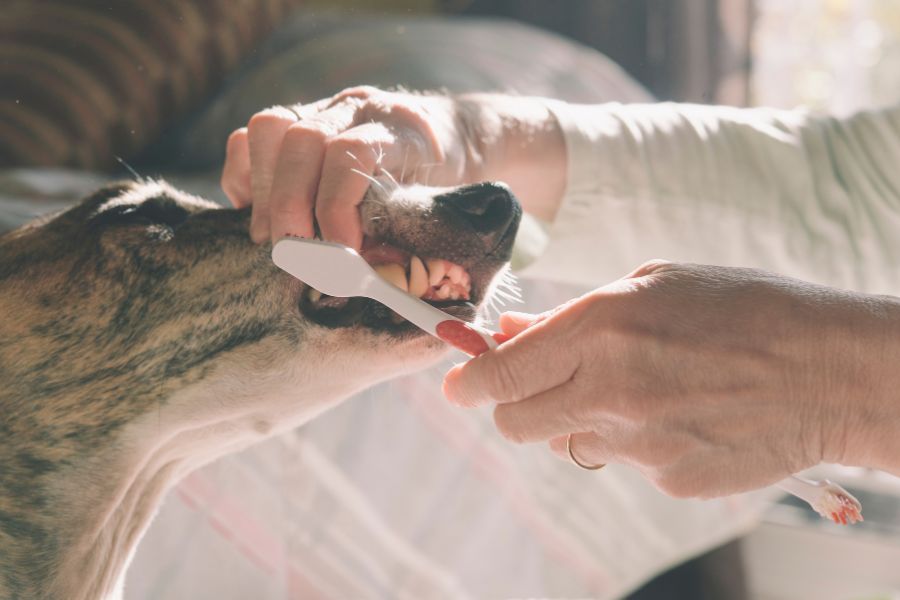
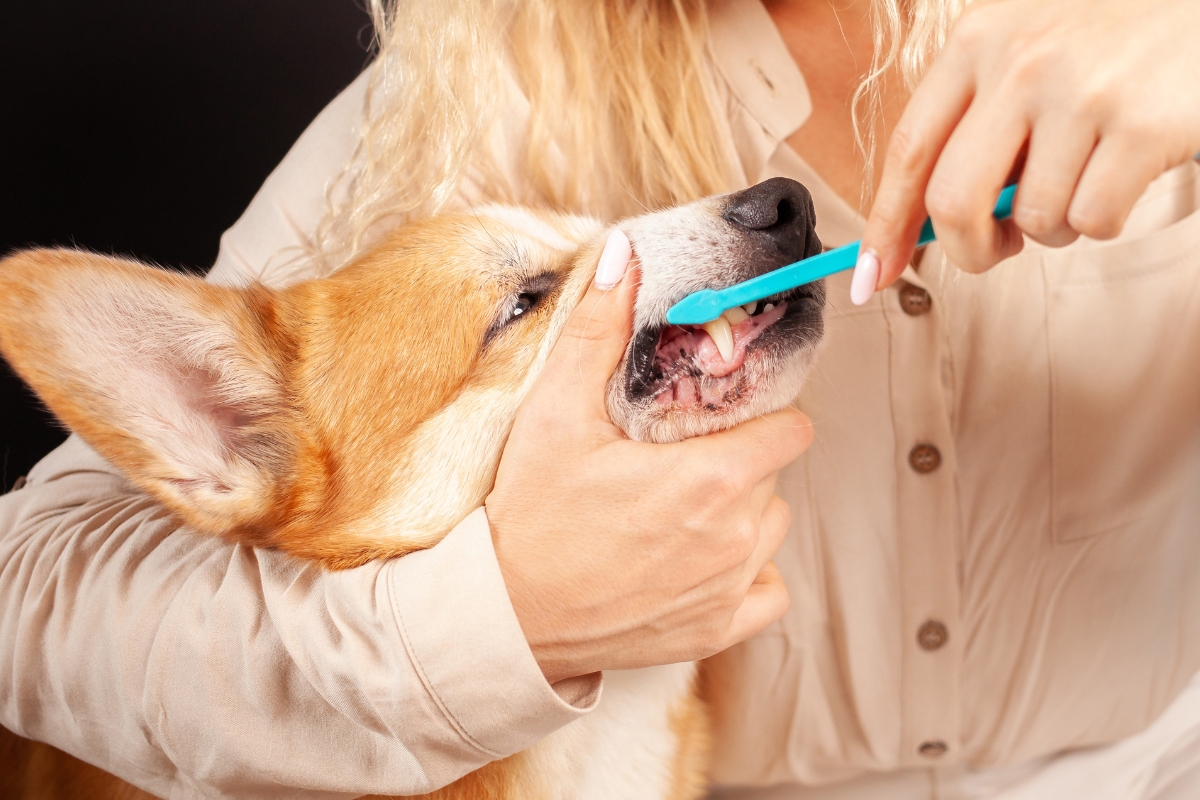
- Brushing your pet’s teeth regularly
Using pet-safe toothpaste helps remove plaque and keeps teeth cleaner over time. - Providing dental-friendly chew toys
Certain toys are designed to reduce tartar while giving your pet something enjoyable to chew. - Offering balanced and healthy meals
A proper diet supports overall health and reduces the risk of dental issues. - Checking your pet’s mouth weekly
Looking for changes in gums, teeth, or odor helps catch problems early.
Following these habits creates a strong foundation for effective dental care for pets and supports long-term wellness.
The Role of Professional Dental Cleaning
Home care alone is not always enough to maintain healthy teeth and gums. Professional pet teeth cleaning removes tartar that cannot be eliminated through brushing. The veterinarian carefully examines the mouth and identifies any underlying issues.
Cleanings are typically performed under controlled conditions to ensure safety and thorough results. The veterinary team uses specialized tools to clean below the gumline and polish the teeth, helping prevent future buildup and improving overall oral health.
Routine cleanings also allow early detection of problems such as infections or damaged teeth. Regular visits play a key role in maintaining your pet’s comfort and health.
When to Schedule a Dental Checkup
Knowing when to seek care helps prevent minor problems from becoming serious. Regular dental exams should be part of your pet’s routine health plan. Even if no symptoms are visible, hidden issues may still be present.
Pets showing signs such as bad breath, difficulty eating, or swollen gums should be seen promptly. Early attention reduces the need for more complex treatments later. Routine visits to the vet ensure your pet receives the care needed to stay healthy.
Staying proactive with checkups helps maintain strong teeth and prevents unnecessary discomfort.
What to Expect During a Dental Visit
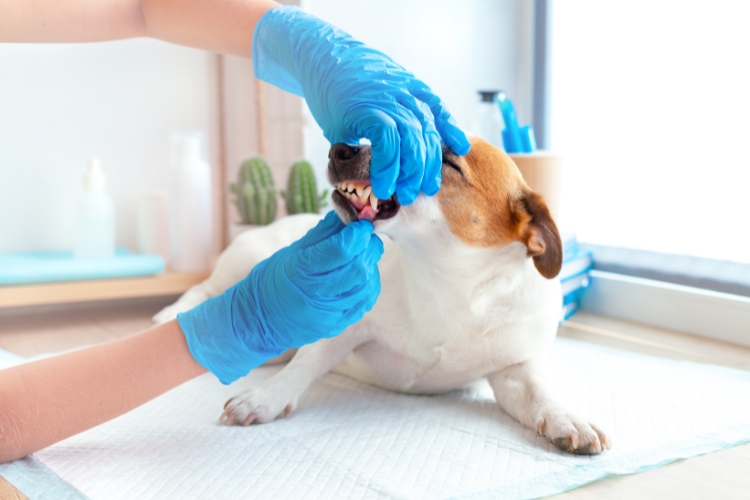
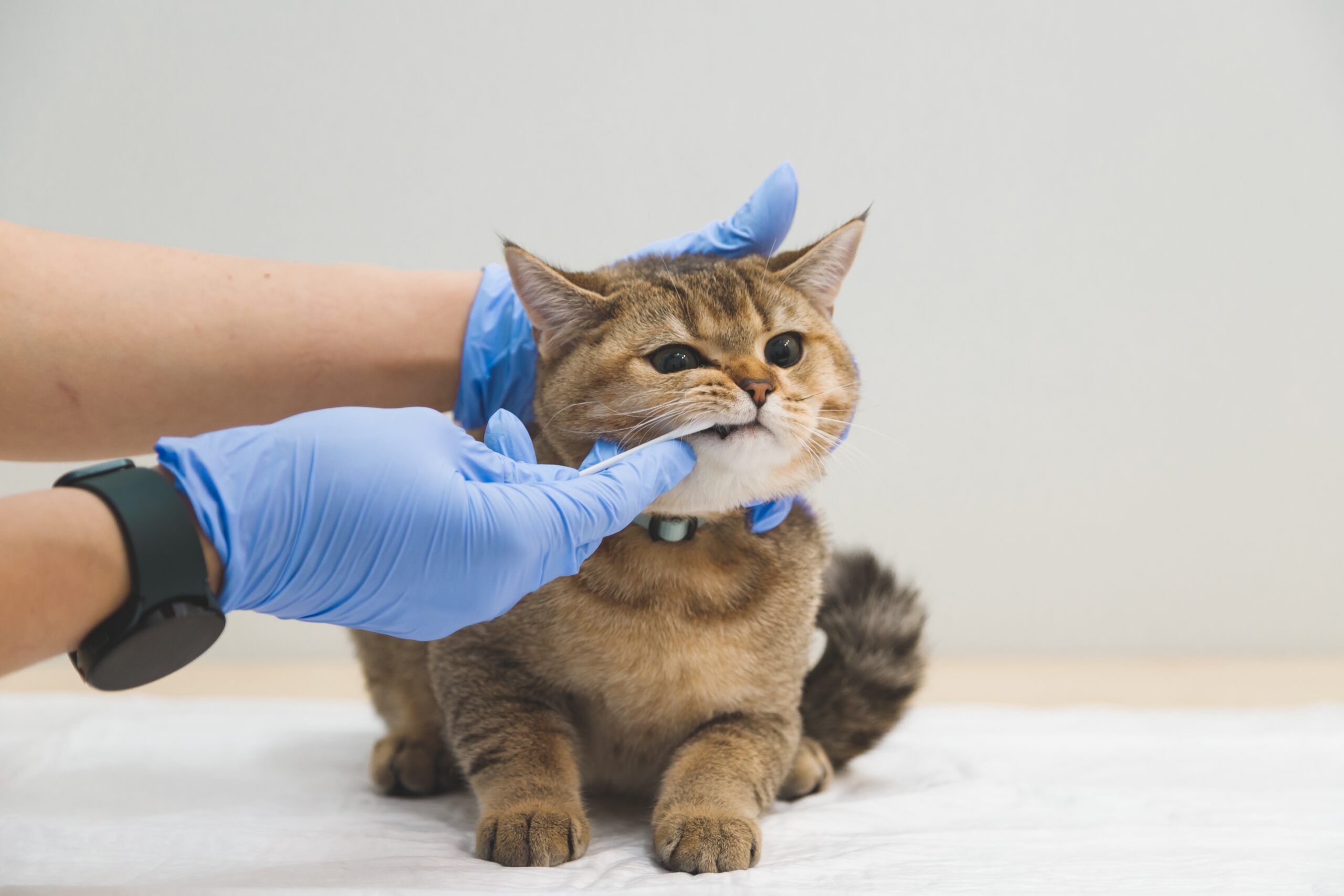
A dental visit begins with a detailed examination of your pet’s mouth. The veterinarian checks for plaque buildup, gum health, and any signs of disease. Additional tests may be recommended if deeper issues are suspected.
Professional cleaning removes tartar and smooths the tooth surfaces. In some cases, treatment may be needed for damaged or infected teeth. The goal is to restore comfort and prevent further complications.
Understanding what happens during a visit helps reduce anxiety and prepares you for the process. Regular care keeps your pet’s mouth in better condition over time.
Long-Term Benefits of Proper Dental Care
Maintaining good dental habits offers lasting benefits for your pet’s health and happiness. Pets with clean teeth and healthy gums are more likely to eat comfortably and stay active. Reduced pain leads to better mood and improved quality of life.
Preventive care lowers the risk of infections that could spread to other parts of the body. Early treatment helps avoid more serious conditions and reduces long-term complications. Investing in pet dental care today helps your pet enjoy a healthier future.
A Brighter Smile Starts With Better Care
Taking care of your pet’s teeth is an important part of keeping them healthy and comfortable. Anclote Animal Hospital provides veterinary dental care designed to address both early concerns and advanced issues with attention to your pet’s well-being. Regular checkups, cleanings, and proper guidance help ensure your pet stays on the right track.
If you are in Tarpon Springs and looking for reliable pet care, book an appointment at Anclote Animal Hospital to learn how our veterinary team can help maintain your pet’s dental health and keep their smile bright.
Frequently Asked Questions
1. How often should I brush my pet’s teeth?
Brushing your pet’s teeth at least three to four times each week helps reduce plaque buildup, keep teeth cleaner, and improve overall oral hygiene when combined with regular veterinary checkups.
2. Are dental treats enough for maintaining oral health?
Dental treats can help reduce tartar buildup, but they should not replace brushing or professional cleanings, as they work best when combined with a complete dental care routine.
3. What are the risks of ignoring dental care?
Ignoring dental care can lead to gum disease, tooth loss, and infections that may spread to vital organs, affecting your pet’s overall health and causing long-term discomfort or complications.
4. How do I know if my pet needs a dental cleaning?
Signs such as bad breath, visible tartar, swollen gums, or changes in eating habits often indicate the need for a dental cleaning and evaluation by the veterinarian.
5. Is professional dental cleaning safe for pets?
Professional dental cleaning is considered safe when performed under proper monitoring, allowing veterinarians to remove tartar effectively while ensuring your pet remains comfortable and protected throughout the procedure.

Fast, Friendly Help
For New, Sick & Injured Pets!