


As a loving pet owner, you know your furry companion better than anyone. You notice when they’re acting a little off—maybe sleeping more, eating less, or just seeming “not quite right.” But what you can’t always see are the underlying health problems that may be silently progressing. That’s where diagnostic tests for pets come in.
These tools are the key to unlocking what your pet can’t tell you, helping veterinarians detect hidden issues before they become serious. From bloodwork to X-rays, these tests provide critical insights into your pet’s health, allowing early intervention and personalized treatment.
Why Diagnostic Tests Matter for Pet Health
Veterinary diagnostic tests are more than just routine check-ups—they’re the foundation of proactive care. Even if your pet looks perfectly healthy, problems can be developing beneath the surface.
Spotting the Invisible
Some conditions, like kidney disease, heart issues, or early-stage infections, may not present visible symptoms until it’s too late. Diagnostic screening can catch these hidden threats in their earliest stages, giving your pet the best chance for a full recovery.
Making Informed Decisions
When your vet has concrete data from lab work or imaging, they can tailor treatments specifically for your pet’s condition—no guesswork, no unnecessary medications, and no delays.
Common Veterinary Diagnostic Tests and What They Reveal
Each test has a unique purpose, and together, they offer a full picture of your pet’s health. Here’s a closer look:
1. Blood Tests (CBC and Chemistry Panel)
A Complete Blood Count (CBC) checks red and white blood cells and platelets, helping detect infections, anemia, or immune system problems.
A Chemistry Panel evaluates organ function—especially the kidneys and liver—and checks glucose, protein, and electrolyte levels. These tests are vital for catching diseases like diabetes, liver dysfunction, and chronic kidney conditions early.
2. Urinalysis
By analyzing your pet’s urine, veterinarians can detect urinary tract infections, kidney problems, dehydration, and even diabetes. It’s a quick, non-invasive way to check for internal issues that aren’t obvious externally.
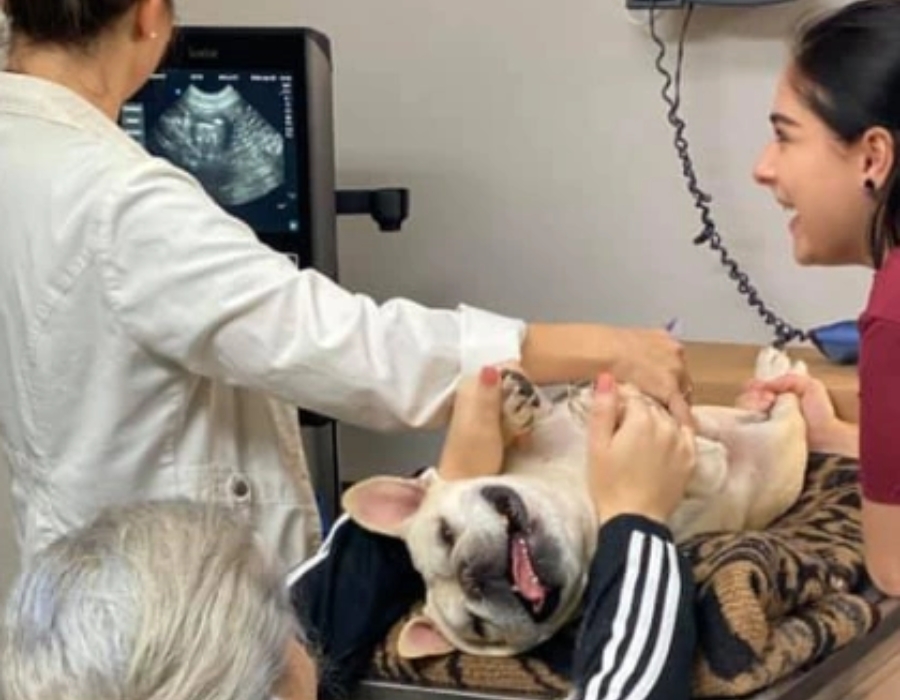
3. X-rays and Ultrasounds
These imaging tools are used to look inside your pet’s body.
- X-rays can identify broken bones, tumors, or swallowed foreign objects.
- Ultrasounds provide real-time visuals of organs, helping detect masses, fluid buildup, or abnormal tissue structures.
4. Fecal Exams and Parasite Screening
Regular fecal exams can identify parasites such as roundworms, hookworms, or Giardia, some of which can be transmitted to humans. Early detection helps avoid health complications and keeps your household safe.
5. Allergy Testing and Skin Scraping
For pets suffering from unexplained itching, hair loss, or skin irritations, allergy testing and microscopic examination of skin samples can uncover allergic reactions, mites, or fungal infections.
When Should Your Pet Get Diagnostic Tests?
While some tests are part of routine annual checkups, others may be recommended if your pet shows unusual signs. Consider diagnostic testing if your pet is:
- Lethargic or more tired than usual
- Eating or drinking less (or more) than normal
- Vomiting or experiencing diarrhea
- Coughing, sneezing, or breathing heavily
- Losing weight without explanation
- Developing skin issues or behavior changes
For senior pets, more frequent testing is often advised, as age-related diseases like arthritis, thyroid disorders, or organ decline become more common.
Early Detection Saves Lives
Perhaps the biggest benefit of diagnostic tests for pets is peace of mind. Identifying health issues before symptoms arise means faster treatment, better outcomes, and fewer costly emergencies. In many cases, early diagnosis can be the difference between a manageable condition and a life-threatening one.
Partnering with Your Veterinarian
Don’t wait for symptoms to appear. Work with your veterinarian to create a personalized wellness plan that includes appropriate diagnostic testing in Tarpon Springs based on your pet’s age, breed, and medical history. Regular diagnostics allow for tailored care and a longer, healthier life for your four-legged family member.
Your pet can’t say when something feels wrong, but their body can send clues. Diagnostic tests for pets are like a translator, turning those hidden signals into actionable insight. Whether it’s routine bloodwork or advanced imaging, these tools are your pet’s first line of defense against silent illnesses.
So next time your vet suggests a test, remember—it’s not just a precaution. It’s a powerful step in protecting your pet’s well-being for years to come.



Fast, Friendly Help
For New, Sick & Injured Pets!