

As pet parents, we all want our furry companions to live long, healthy, and happy lives. But chronic diseases in pets—like kidney disease, diabetes, heart conditions, and thyroid issues—often develop silently. They may not show obvious symptoms until the condition has already progressed. This is where veterinary diagnostic care becomes essential. Modern diagnostic tools enable veterinarians to detect these hidden illnesses early, making timely treatment and improved outcomes possible.
Why Early Detection Matters
Chronic diseases rarely appear overnight. Instead, they slowly build up, causing subtle changes in your pet’s behavior or appetite. Often, these changes are easy to miss at home. Early detection through diagnostic tests can:
- Identify problems before they become severe
- Improve your pet’s chances of a full or stable recovery
- Reduce long-term treatment costs
- Prevent emergencies that can be stressful for both pets and owners
Essentially, early diagnosis gives your pet a stronger and healthier future.
What Veterinary Diagnostic Care Includes
Veterinary clinics today use a wide range of diagnostic tools to assess organ function, identify abnormalities, and uncover early signs of chronic disease. Some of the most commonly used diagnostic methods include:
1. Blood Tests
Blood tests are one of the first steps in detecting chronic illnesses. They help measure kidney and liver function, blood glucose levels, electrolyte balance, and more. Conditions like chronic kidney disease (CKD), diabetes, and thyroid disorders can be detected early through routine bloodwork, even before symptoms appear.
2. Urinalysis
A urine test provides insights into kidney health, urinary infections, and underlying metabolic conditions. In many cases, kidney problems show up in the urine before they appear in blood tests.
3. Imaging Tests
Diagnostic imaging plays a critical role in spotting internal issues that are otherwise impossible to detect externally.
- X-rays help identify bone problems, heart enlargement, or lung abnormalities.
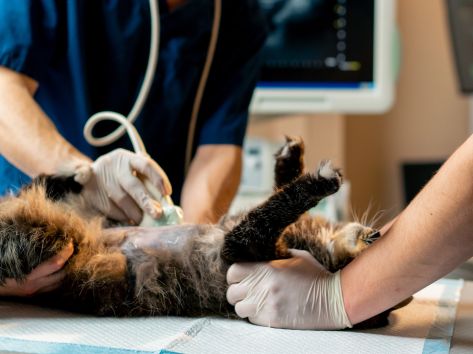
- Ultrasound offers a clearer picture of the liver, spleen, kidneys, and intestines. This helps detect tumors, organ inflammation, and cysts at an early stage.
4. Heart Monitoring
Chronic heart disease is common in both dogs and cats, especially as they age. Tools like ECG, blood pressure monitoring, and echocardiograms help veterinarians assess heart rhythm, structure, and overall function.
5. Hormone and Endocrine Tests
Hormonal disorders, such as hyperthyroidism in cats or Cushing’s disease in dogs, are chronic conditions that progress over time. Endocrine testing can catch these issues early, preventing complications like weight loss, high blood pressure, or organ damage.
Important Signs That Your Pet May Need Diagnostic Testing
While some chronic diseases show no early symptoms, you should contact your veterinarian if you notice:
- Increased thirst or urination
- Sudden weight loss or weight gain
- Lethargy or reduced activity
- Loss of appetite
- Vomiting or diarrhea
- Difficulty breathing
- Unexplained behavioral changes
Even mild or occasional symptoms can be early warning signs of something serious.
Routine Check-Ups: The Key to Prevention
One of the best ways to protect your pet’s long-term health is through annual or semi-annual wellness exams. During these visits, vets often recommend routine diagnostic tests based on your pet’s age, breed, and medical history. Senior pets, in particular, benefit from regular screenings because they are more prone to chronic diseases.
Routine tests not only guide early intervention but also allow your veterinarian to establish a baseline for your pet’s health. This makes it easier to identify even the smallest changes over time.
Veterinary diagnostic care plays a vital role in catching chronic diseases early—before they become life-threatening. By combining advanced testing tools with regular check-ups, veterinarians can monitor your pet’s health, detect hidden conditions, and recommend timely treatments.
As a pet parent, the best gift you can give your companion is proactive care. Early detection can extend your pet’s lifespan, improve their quality of life, and provide peace of mind knowing that you’re doing everything possible to keep them healthy.



Fast, Friendly Help
For New, Sick & Injured Pets!