



Pets are incredibly good at hiding pain. Unlike humans, dogs and cats cannot explain when something hurts, and instinct often causes animals to mask discomfort for as long as possible. Because of this, chronic pain is one of the most commonly overlooked health issues in veterinary medicine.
Many pet owners assume slower movement, sleeping more often, or changes in behavior are simply signs of aging. In reality, these subtle changes may indicate ongoing pain caused by arthritis, injuries, dental disease, nerve problems, or other chronic conditions.
Recognizing chronic pain early can make a major difference in your pet’s quality of life. With proper treatment and long-term management, many pets can remain active, comfortable, and happy for years.
For pet owners in Tarpon Springs, understanding the warning signs of chronic pain is the first step toward helping pets feel better and stay healthier as they age.
At Anclote Animal Hospital, personalized pain management plans help dogs and cats receive the support they need to live more comfortably.
What Is Chronic Pain in Pets?
Chronic pain is long-term discomfort that persists for weeks, months, or even years. Unlike acute pain caused by sudden injury, chronic pain develops gradually and may worsen over time if left untreated.
Common causes of chronic pain in pets include:
- Arthritis and joint disease
- Hip dysplasia
- Dental disease
- Nerve disorders
- Past injuries
- Post-surgical complications
- Back or spinal problems
- Cancer-related discomfort
Veterinarians often recommend long-term comfort care for pets because untreated pain can significantly affect both physical and emotional well-being.
Pets experiencing chronic pain may struggle with mobility, appetite, sleep, and normal daily activities.
Why Chronic Pain Is Often Missed
One of the biggest challenges with chronic pain is that symptoms can develop slowly. Many pet owners do not notice small behavioral changes at first because the progression is gradual.
Dogs and cats are also naturally skilled at hiding weakness or discomfort. In the wild, showing pain can make animals vulnerable, so pets often continue normal routines despite significant discomfort.
As a result, owners may assume their pet is “just getting older” instead of recognizing signs of pain.
Routine veterinary exams and preventive wellness support for aging pets are important because they help identify subtle symptoms before conditions become severe.
Common Signs of Chronic Pain in Dogs
Dogs with chronic pain often show physical and behavioral changes that may become more noticeable over time.
Common warning signs include:
- Limping or stiffness
- Difficulty standing up
- Slower walking pace
- Hesitation when climbing stairs
- Reluctance to jump or play
- Sleeping more than usual
- Irritability or withdrawal
- Panting without exercise
- Sensitivity when touched
Some dogs may also become less social or lose interest in activities they once enjoyed.
Owners seeking mobility support for senior dogs frequently discover that arthritis and joint discomfort are contributing to these behavioral changes.
Common Signs of Chronic Pain in Cats
Cats are especially skilled at hiding pain, which makes chronic discomfort more difficult to detect.
Subtle signs of pain in cats may include:
- Jumping less often
- Hiding more frequently
- Reduced grooming
- Sleeping in unusual places
- Irritability or aggression
- Difficulty using the litter box
- Changes in appetite
- Stiff walking or limping
Many cat owners do not realize their pet is in pain until symptoms become advanced.
Veterinary evaluations and comprehensive feline wellness care can help detect early signs of chronic discomfort before quality of life declines significantly.
Arthritis Is One of the Leading Causes of Chronic Pain
Arthritis is one of the most common chronic pain conditions affecting both dogs and cats, especially as pets age. Joint inflammation gradually causes stiffness, reduced flexibility, and discomfort during movement.
Pets with arthritis may struggle with:
- Rising after rest
- Climbing stairs
- Jumping onto furniture
- Walking long distances
- Playing or exercising
Because arthritis worsens gradually, many pets adjust their behavior slowly over time.
Veterinarians often incorporate advanced joint health solutions for pets into long-term treatment plans to help improve mobility and reduce inflammation.
Early arthritis management may help slow progression and improve comfort.
Behavioral Changes Can Signal Pain
Pain does not always appear as limping or physical weakness. Behavioral changes are often one of the clearest indicators that something may be wrong.
Pets experiencing chronic discomfort may become:
- Less affectionate
- Easily startled
- More aggressive
- Withdrawn from family interaction
- Restless at night
- Less interested in food or toys
Because these changes can develop gradually, owners sometimes mistake them for personality shifts rather than medical concerns.
Monitoring behavior closely is an important part of recognizing pain early.
How Veterinarians Diagnose Chronic Pain
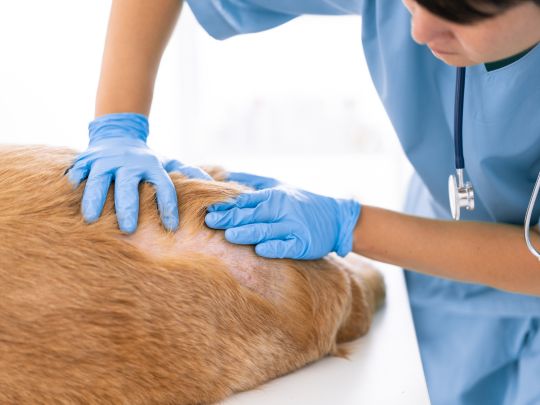
Diagnosing chronic pain involves more than simply observing limping or stiffness. Veterinarians perform a full physical examination and evaluate mobility, joint flexibility, muscle condition, and overall behavior.
Diagnostic tools may include:
- Physical exams
- X-rays
- Orthopedic evaluations
- Dental exams
- Neurological assessments
- Bloodwork
Identifying the underlying cause of pain is important for creating an effective treatment plan.
Many pets benefit from personalized veterinary rehabilitation strategies that address both pain control and mobility improvement together.
Treatment Options for Chronic Pain
Modern veterinary medicine offers many ways to manage chronic pain safely and effectively. Treatment plans are usually customized based on the pet’s condition, age, and overall health.
Pain management options may include:
Prescription Medications
Anti-inflammatory medications and pain relievers can help reduce discomfort and improve daily mobility.
Weight Management
Excess weight places additional stress on joints and muscles. Maintaining a healthy weight can significantly reduce pain.
Therapeutic Laser Treatment
Laser therapy may help improve circulation, reduce inflammation, and support healing in painful tissues.
Physical Rehabilitation
Controlled exercise and rehabilitation therapy can improve strength and flexibility.
Nutritional Support
Joint supplements and specialized diets may support long-term joint health.
Veterinarians often combine multi-modal pain relief approaches to create more effective long-term results.
Why Early Pain Management Matters
The earlier chronic pain is addressed, the easier it is to maintain mobility and quality of life. Delayed treatment often allows inflammation and joint damage to worsen over time.
Managing pain early can help pets:
- Stay more active
- Maintain muscle strength
- Sleep more comfortably
- Improve mood and behavior
- Enjoy better overall wellness
In Tarpon Springs, more pet owners are recognizing the importance of proactive pain management as pets age.
Pain should never be considered a normal part of getting older.
Supporting Your Pet at Home
In addition to veterinary treatment, simple home adjustments can help improve comfort for pets with chronic pain.
Helpful changes may include:
- Orthopedic pet beds
- Non-slip flooring
- Ramps or pet stairs
- Gentle daily exercise
- Elevated food and water bowls
- Weight management support
Consistency and routine are important for pets dealing with chronic discomfort.
FAQs About Chronic Pain in Pets
1. How can I tell if my pet is in chronic pain?
Changes in mobility, behavior, appetite, sleep patterns, or activity levels may all indicate chronic pain.
2. Is slowing down always a normal part of aging?
No. While aging can affect activity levels, significant stiffness or behavioral changes often indicate underlying pain or medical conditions.
3. Can cats hide chronic pain?
Yes. Cats are extremely skilled at masking discomfort, which is why subtle behavioral changes are important to monitor.
4. What conditions commonly cause chronic pain in pets?
Arthritis, dental disease, injuries, spinal problems, and nerve disorders are common causes of chronic pain.
5. Can chronic pain be treated successfully?
Yes. Many pets experience significant improvement through personalized pain management plans and long-term veterinary care.At Anclote Animal Hospital, we believe every pet deserves to live comfortably and enjoy the best possible quality of life. If your dog or cat is showing signs of chronic pain, stiffness, or reduced mobility, early care can make a meaningful difference. Book an appointment today to learn more about personalized pain management solutions for your pet.


Fast, Friendly Help
For New, Sick & Injured Pets!