


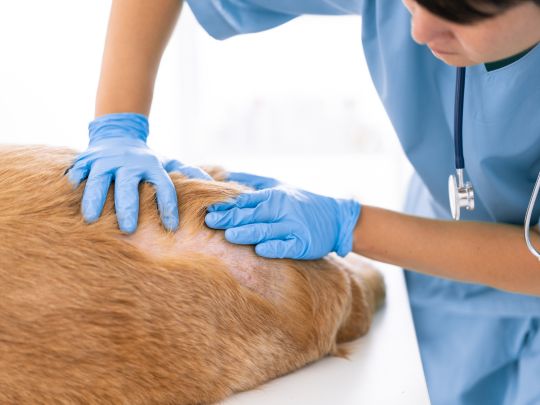
Pets rely on us for comfort, safety, and medical care throughout their lives. Just like people, dogs and cats can experience pain from injuries, illness, surgery, or aging. Because animals cannot explain how they feel, identifying and treating discomfort quickly becomes essential for protecting their health and quality of life.
Fortunately, modern veterinary medicine offers many safe and effective ways to relieve pain in pets. Veterinarians combine medical expertise with advanced diagnostic tools to understand the cause of discomfort and recommend the best treatment options. As a result, pets can recover faster and continue living active, happy lives.
Pain control is not only about comfort. In fact, untreated pain can lead to reduced appetite, decreased mobility, behavioral changes, and delayed healing. Therefore, veterinary professionals prioritize early diagnosis and safe treatment strategies.
In this guide, we will explore how veterinarians identify pain in pets, the treatments they use, and how pet owners can support their pets during recovery. These insights are especially helpful for pet owners who want to ensure their animals receive compassionate care. If you live in Tarpon Springs, FL, understanding veterinary pain treatment options can help you make informed healthcare decisions for your pet.
Why Pain Management Matters for Pets
Pain can affect both physical health and emotional well-being in animals. When pets experience discomfort, they often reduce activity levels or withdraw from normal routines.
For example, a dog with joint pain may stop running or playing. Similarly, a cat experiencing dental pain may avoid eating or grooming. These changes can quickly affect overall health.
Therefore, veterinarians focus on pain management as a critical part of treatment and recovery. Proper pain control helps pets remain active, maintain healthy eating habits, and recover more comfortably.
In addition, managing pain effectively can prevent chronic conditions from worsening over time.
Common Causes of Pain in Dogs and Cats
Many medical conditions can cause pain in pets. Understanding the possible causes helps veterinarians determine the best treatment plan.
Some of the most common causes include:
- Injuries or trauma
- Arthritis and joint disease
- Dental infections
- Surgical procedures
- Internal illnesses
- Nerve damage
- Skin infections or wounds
In older pets, chronic conditions such as arthritis become more common. Early treatment can help reduce discomfort and improve mobility.
Veterinarians evaluate each pet carefully to identify the underlying cause of pain before recommending treatment.
Recognizing Signs of Pain in Pets
Because animals cannot speak, pet owners must watch for behavioral or physical changes that may indicate discomfort.
Common signs include:
- Limping or difficulty moving
- Reduced appetite
- Excessive licking or chewing at one area
- Unusual vocalization
- Hiding or avoiding interaction
- Changes in posture
- Aggression or irritability
These symptoms may appear gradually or suddenly. Therefore, it is important to monitor pets closely and consult a veterinarian if any unusual behaviors occur.
Early detection allows veterinarians to address the issue before it becomes more serious.
Veterinary Examination and Diagnosis
When a pet shows signs of pain, veterinarians begin with a thorough examination. This evaluation helps determine the source and severity of the discomfort.
The diagnostic process may include:
- Physical examinations
- Medical history review
- X-rays or ultrasound imaging
- Blood tests
- Orthopedic assessments
These diagnostic tools allow veterinarians to view internal structures and detect conditions that might not be visible externally.
Accurate diagnosis ensures that pets receive the most effective and safest treatments available.
Medications Used to Treat Pain in Pets
Medications are often a key component of veterinary pain treatment. However, veterinarians carefully select medications based on each pet’s health condition and medical history.
Anti-Inflammatory Medications
Non-steroidal anti-inflammatory drugs (NSAIDs) are commonly used to reduce inflammation and relieve discomfort caused by injuries or arthritis.
These medications help pets regain mobility and feel more comfortable during recovery.
Opioid Medications
In cases of severe pain, veterinarians may prescribe opioid medications. These drugs provide powerful relief and are typically used after surgery or serious injuries.
Veterinarians monitor pets closely when using these medications to ensure safety.
Local Anesthetics
Local anesthetics block pain signals in specific areas of the body. Veterinarians often use them during surgical procedures or dental treatments to prevent discomfort.
These medications allow veterinarians to perform procedures while keeping pets comfortable.
Non-Medication Pain Relief Methods
While medications play an important role, veterinarians often combine them with additional therapies to improve results.
Physical Rehabilitation
Physical therapy helps pets regain strength and mobility after injuries or surgery. Exercises may include controlled walking, stretching, and muscle strengthening.
These therapies support faster recovery and improved movement.
Laser Therapy
Laser therapy uses light energy to reduce inflammation and stimulate healing. It is a non-invasive treatment that can help pets with arthritis, wounds, or soft tissue injuries.
Many pets experience noticeable improvement after several sessions.
Acupuncture
Acupuncture involves placing small needles at specific points on the body to stimulate healing. This therapy can help relieve pain and improve circulation.
Veterinary acupuncture has become increasingly popular as a complementary treatment.
Pain Control After Surgery
Surgery can be stressful for pets, but veterinarians take multiple steps to keep animals comfortable during and after procedures.
Before surgery, pets receive medications that prevent pain during the operation. During surgery, veterinarians monitor vital signs closely.
After the procedure, veterinarians prescribe medications and recovery guidelines to ensure proper healing.
Pet owners should follow these instructions carefully and attend follow-up visits when recommended.
Managing Chronic Pain in Aging Pets
As pets grow older, they may develop chronic conditions such as arthritis or degenerative joint disease. These conditions can cause ongoing discomfort if left untreated.
Veterinarians typically use a combination of treatments to manage long-term pain, including medications, weight management, physical therapy, and lifestyle adjustments.
Regular veterinary checkups help ensure that treatment plans remain effective as pets age.
How Pet Owners Can Help at Home
Pet owners play an important role in supporting their pets’ comfort. Small adjustments at home can make a significant difference.
Helpful strategies include:
- Providing soft bedding for joint support
- Maintaining a healthy weight for pets
- Encouraging gentle exercise
- Monitoring behavior changes
- Following medication instructions carefully
Additionally, maintaining consistent veterinary visits ensures that any developing issues are addressed quickly.
Strong collaboration between pet owners and veterinarians leads to better health outcomes for pets.
The Importance of Preventive Veterinary Care
Preventive care helps reduce the risk of painful conditions developing in the first place. Routine wellness exams allow veterinarians to monitor overall health and detect potential issues early.
Regular dental care, vaccinations, and weight management all contribute to long-term comfort and wellness.
By staying proactive, pet owners can help ensure their pets live healthy, pain-free lives.
Pain can greatly affect a pet’s health, mobility, and happiness. Fortunately, veterinarians have many safe and effective methods for identifying and treating discomfort in dogs and cats.
Through accurate diagnosis, advanced medications, and supportive therapies, veterinary professionals help pets recover faster and maintain a better quality of life.
If you are in Tarpon Springs, FL and need guidance related to pet pain management, book an appointment with Anclote Animal Hospital. Our veterinary team is dedicated to providing compassionate care and personalized treatment plans to keep your pets comfortable and healthy.
FAQs
Q1. How do veterinarians determine if a dog or cat is in pain?
Ans. Veterinarians assess physical symptoms, behavioral changes, and diagnostic tests such as X-rays or blood work to identify the source and severity of pain in pets.
Q2. What are the most common causes of pain in pets?
Ans. Pets may experience pain due to injuries, arthritis, dental disease, infections, surgery, or age-related conditions that affect joints and muscles.
Q3. Are veterinary pain medications safe for dogs and cats?
Ans. Yes, when prescribed and monitored by a veterinarian. Veterinary medications are carefully dosed based on the pet’s weight, health condition, and medical history.
Q4. Can pets recover from chronic pain conditions?
Ans. While some chronic conditions cannot be cured, veterinarians can manage them effectively through medications, physical therapy, and lifestyle adjustments.
Q5. What non-medication treatments help relieve pain in pets?
Ans. Treatments such as laser therapy, acupuncture, physical rehabilitation, and weight management can help reduce pain and improve mobility.
Q6. When should I take my pet to the vet for pain treatment?
Ans. If your pet shows signs like limping, loss of appetite, excessive licking, or behavioral changes, you should schedule a veterinary visit as soon as possible.


Fast, Friendly Help
For New, Sick & Injured Pets!