


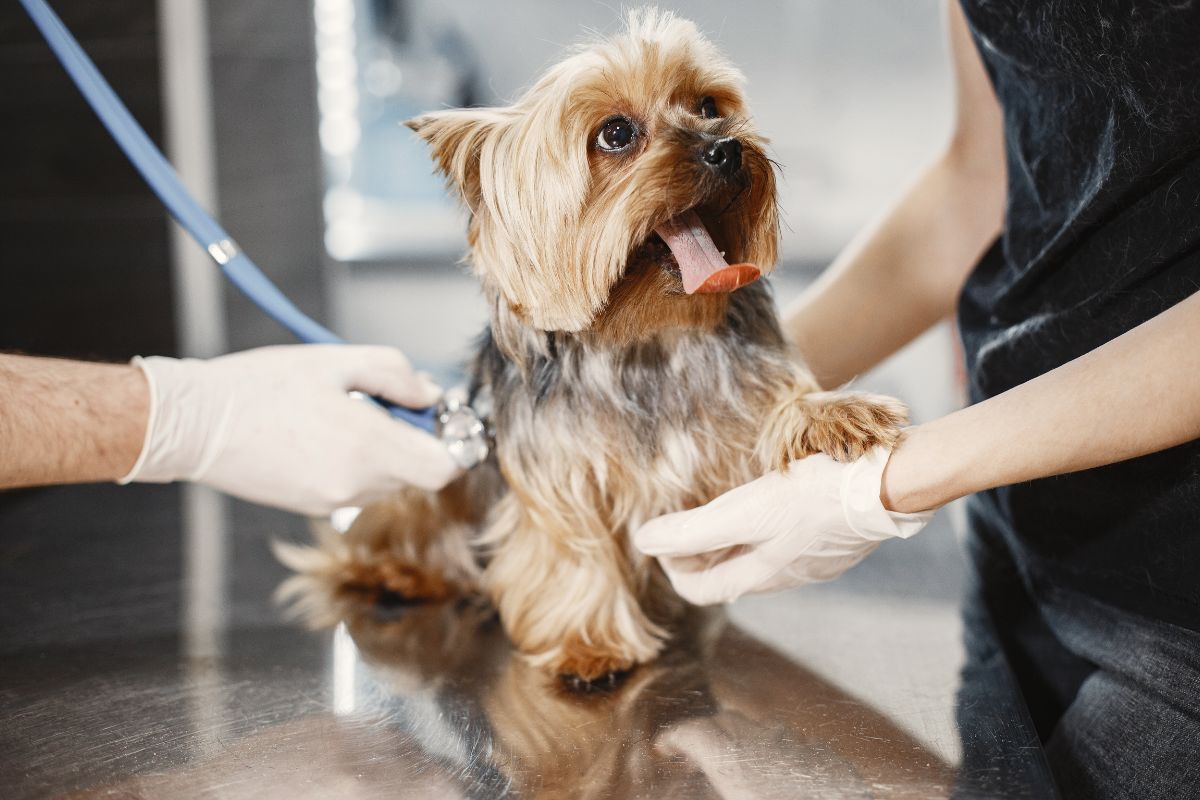
Pets depend on their owners for daily care, proper nutrition, and medical attention throughout every stage of life. While many pet owners seek veterinary help only when a pet becomes sick, preventive healthcare plays a much larger role in long-term wellness. Routine veterinary visits, vaccinations, parasite prevention, dental care, and healthy lifestyle habits can help pets live longer, healthier, and happier lives.
Preventive healthcare focuses on stopping illness before it becomes serious. Early detection often improves treatment outcomes, reduces discomfort, and helps avoid costly medical emergencies. In addition, regular veterinary monitoring allows pet owners to better understand their pet’s changing health needs over time.
At Anclote Animal Hospital, we believe proactive veterinary care is one of the best ways to support lifelong wellness for dogs and cats. Pet owners in Tarpon Springs, FL understand the importance of keeping their pets active and healthy throughout every season, and preventive veterinary services help make that possible.
What Is Preventative Pet Care?
Preventive healthcare includes routine medical services designed to protect pets from disease, parasites, and chronic health conditions. Instead of waiting for symptoms to appear, veterinarians focus on maintaining overall wellness and identifying problems early.
Common preventive services include:
- Wellness exams
- Vaccinations
- Parasite prevention
- Dental care
- Nutritional counseling
- Diagnostic screenings
- Weight management
- Behavioral evaluations
Consistent preventative pet care helps pets maintain strong immune systems and supports healthier aging throughout life.
Why Preventive Care Matters
Many illnesses develop gradually and may not show obvious symptoms during the early stages. Regular veterinary visits allow veterinarians to monitor subtle changes before conditions worsen.
Preventive care helps:
- Detect health issues early
- Reduce the risk of serious illness
- Improve quality of life
- Support healthy development
- Extend life expectancy
- Lower long-term healthcare costs
When pets receive routine veterinary attention, they are more likely to remain active and comfortable throughout their lives.
The Importance of Routine Wellness Exams
Wellness exams are the foundation of preventive healthcare. During these visits, veterinarians evaluate your pet’s overall health and identify any concerning changes.
A comprehensive exam may include:
- Weight evaluation
- Heart and lung assessment
- Dental evaluation
- Skin and coat inspection
- Joint and mobility assessment
- Ear and eye examination
- Behavioral discussion
Veterinarians also discuss nutrition, exercise habits, and lifestyle changes during wellness appointments.
How Often Should Pets Have Exams?
Most healthy adult pets should visit the veterinarian at least once yearly. However:
- Puppies and kittens require more frequent visits
- Senior pets may need exams every six months
- Pets with chronic conditions may require closer monitoring
Routine exams provide valuable health information that supports long-term wellness planning.
Vaccinations Protect Against Serious Diseases
Vaccinations are one of the most effective ways to prevent infectious diseases in pets. Vaccines help stimulate the immune system and reduce the risk of severe illness.
Core Vaccines for Dogs
Core vaccines for dogs often include protection against:
- Rabies
- Distemper
- Parvovirus
- Adenovirus
Core Vaccines for Cats
Core vaccines for cats generally include:
- Rabies
- Feline herpesvirus
- Calicivirus
- Panleukopenia
Your veterinarian may also recommend lifestyle-based vaccines depending on your pet’s environment and exposure risk.
Keeping vaccines current is an essential part of responsible pet ownership.
Parasite Prevention Is Essential
Parasites can affect pets year-round, especially in warm climates. Fleas, ticks, heartworms, and intestinal parasites may cause serious health problems if left untreated.
Common Parasites in Pets
Fleas
Fleas may cause:
- Skin irritation
- Allergic reactions
- Hair loss
- Tapeworm infections
Ticks
Ticks can transmit dangerous diseases that affect both pets and humans.
Heartworms
Heartworm disease spreads through mosquito bites and may cause severe heart and lung damage.
Intestinal Parasites
Roundworms, hookworms, and other intestinal parasites can affect digestion and overall health.
Monthly preventives help reduce the risk of infestation and disease transmission.
Dental Care Supports Overall Health
Dental disease affects many pets, especially as they age. Unfortunately, untreated dental issues may lead to pain, infection, and difficulty eating.
Signs of dental disease may include:
- Bad breath
- Red gums
- Loose teeth
- Drooling
- Difficulty chewing
Routine dental cleanings and at-home oral hygiene help protect your pet’s oral health.
Benefits of Dental Care
Proper dental care may help:
- Reduce oral pain
- Prevent infection
- Improve appetite
- Support heart and kidney health
- Improve overall comfort
Dental wellness is a major component of preventive veterinary care.
Proper Nutrition Helps Pets Thrive
Balanced nutrition supports every aspect of a pet’s health, including:
- Immune function
- Joint support
- Digestion
- Energy levels
- Skin and coat health
Every pet has unique nutritional requirements based on age, breed, size, and medical history.
Avoid Obesity in Pets
Obesity increases the risk of:
- Arthritis
- Diabetes
- Heart disease
- Breathing problems
Maintaining a healthy weight through portion control and exercise helps pets stay active and comfortable.
Your veterinarian can recommend the best diet and feeding plan for your pet’s specific needs.
Exercise and Mental Stimulation Matter
Physical activity and mental enrichment support both physical and emotional health.
Benefits of Regular Exercise
Exercise may help:
- Maintain healthy weight
- Improve joint mobility
- Reduce anxiety
- Support cardiovascular health
- Prevent boredom
Dogs often benefit from daily walks and play sessions, while cats may enjoy climbing structures, toys, and interactive games.
Mental Enrichment for Pets
Mental stimulation helps reduce destructive behaviors and supports emotional wellness.
Enrichment activities may include:
- Puzzle toys
- Training sessions
- Scent games
- Interactive feeding tools
Keeping pets mentally engaged contributes to healthier behavior and improved quality of life.
Early Detection Saves Lives
One major advantage of preventive veterinary care is early disease detection. Many chronic conditions respond better when diagnosed early.
Routine diagnostic testing may identify:
- Diabetes
- Kidney disease
- Thyroid disorders
- Heart disease
- Liver disease
- Cancer
Veterinarians may recommend bloodwork, urinalysis, or imaging based on your pet’s age and health history.
Early intervention often reduces complications and improves treatment success.
Senior Pets Need Extra Attention
As pets age, their healthcare needs change. Senior pets often require more frequent veterinary monitoring and additional supportive care.
Older pets may develop:
- Arthritis
- Cognitive decline
- Vision or hearing loss
- Chronic disease
- Dental problems
Preventive veterinary care becomes increasingly important during the senior years because aging pets benefit from early management of chronic conditions.
Preventive Care for Puppies and Kittens
Young pets need preventive care to support healthy growth and development.
Important Early Care Includes:
- Vaccinations
- Deworming
- Nutritional guidance
- Socialization support
- Behavioral training advice
Early veterinary visits help establish a strong foundation for lifelong health.
Behavioral Health Is Part of Wellness
Behavior changes may indicate stress, anxiety, pain, or medical concerns. Preventive care includes evaluating emotional and behavioral wellness alongside physical health.
Veterinarians may provide guidance for:
- Anxiety
- Aggression
- Excessive barking
- Litter box issues
- Destructive behavior
Addressing behavioral concerns early helps improve the relationship between pets and owners.
Creating a Preventive Healthcare Routine
Consistency is key when it comes to long-term wellness.
Helpful preventive habits include:
- Scheduling annual exams
- Using monthly parasite prevention
- Maintaining dental hygiene
- Feeding balanced nutrition
- Monitoring behavior changes
- Providing regular exercise
Small daily efforts can make a significant difference in your pet’s long-term health.
Why Local Preventive Care Matters
Environmental factors may influence your pet’s healthcare needs. Warm temperatures, outdoor activity, and regional parasites all affect pet wellness.
For pet owners in Tarpon Springs, maintaining year-round parasite prevention and regular veterinary visits is especially important because pets often spend more time outdoors in Florida’s climate.
Working closely with a trusted veterinarian helps ensure your pet receives care tailored to their lifestyle and environment.
Preventive healthcare plays a vital role in helping pets live longer, healthier, and more comfortable lives. Through wellness exams, vaccinations, dental care, nutrition, parasite prevention, and early disease detection, pet owners can support lifelong wellness for their furry companions.
Consistent preventative pet care allows veterinarians to identify health concerns early and provide timely treatment before problems become severe.
If you are in Tarpon Springs and looking for a veterinarian, book an appointment with Anclote Animal Hospital. Our veterinary team is committed to helping your pets stay healthy through every stage of life.
FAQs
1. Why is preventive veterinary care important for pets?
Preventive veterinary care helps detect illnesses early, reduce disease risks, and support long-term health and wellness for pets.
2. How often should my pet visit the veterinarian?
Most pets should have a wellness exam at least once a year. Senior pets and pets with medical conditions may require more frequent visits.
3. What does a wellness exam include?
A wellness exam typically includes a physical examination, weight check, dental evaluation, parasite screening, and discussion about nutrition and behavior.
4. Why are vaccinations necessary for pets?
Vaccinations help protect pets from dangerous infectious diseases and reduce the spread of illness among animals.
5. How can I protect my pet from parasites?
Use veterinarian-recommended flea, tick, and heartworm prevention products year-round and schedule regular parasite screenings.
6. What are signs my pet may need veterinary attention?
Changes in appetite, weight, energy levels, behavior, mobility, or bathroom habits may indicate underlying health concerns that require veterinary evaluation.




Fast, Friendly Help
For New, Sick & Injured Pets!