


As a pet parent, ensuring your furry friend’s health and well-being is a top priority. One of the best ways to provide optimal care is by scheduling an annual pet wellness exam. These routine checkups are an essential part of your pet’s health care, allowing your veterinarian to detect potential health issues early and keep up with necessary vaccinations and treatments.
In this blog, we’ll guide you through the ultimate annual pet wellness checklist, covering the vaccines, exams, and care tips that are essential to your pet’s overall health. By staying on top of these tasks, you can help your pet live a longer, healthier, and happier life.
1. Annual Wellness Exam: A Comprehensive Health Check
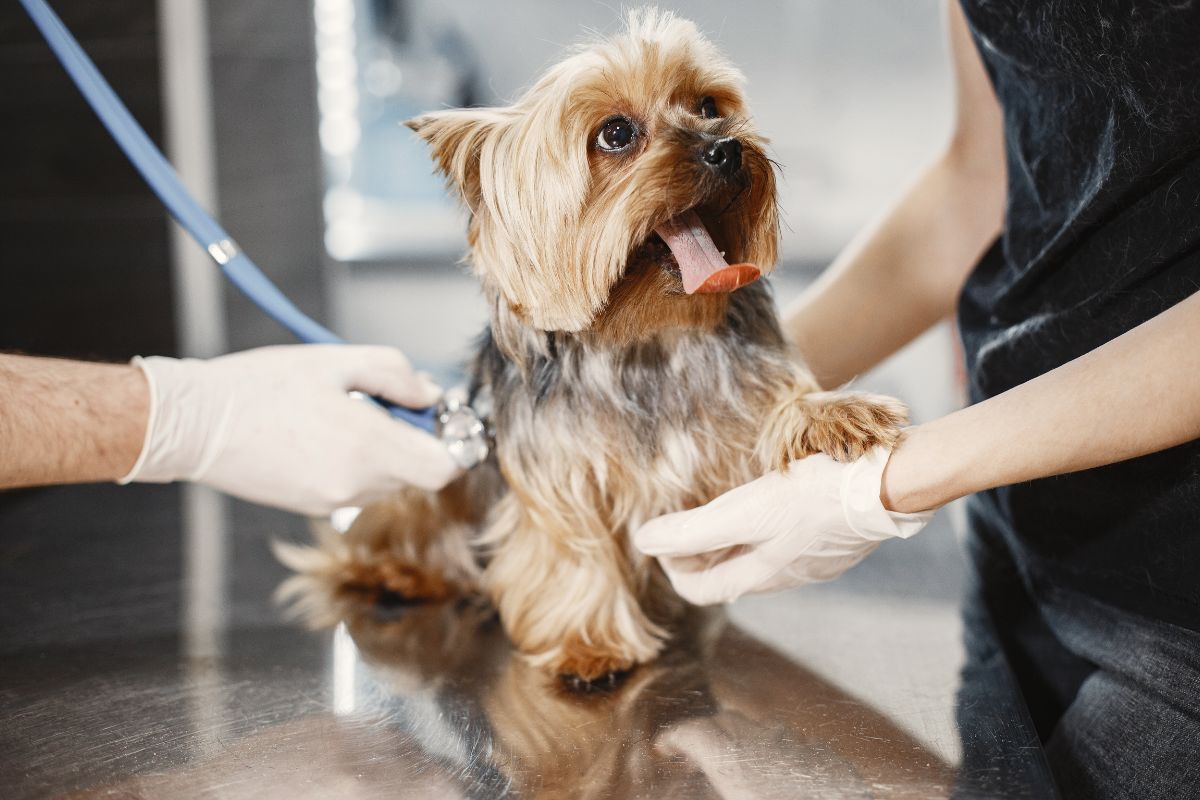
The foundation of any pet wellness routine is the annual exam. During this checkup, your veterinarian will evaluate your pet’s overall health, review their medical history, and assess any potential changes in their condition.
- Physical Examination: Your vet will perform a full physical exam, checking your pet’s heart, lungs, eyes, ears, teeth, and skin. They’ll also check for any lumps, bumps, or signs of discomfort that could indicate underlying health issues.
- Weight Check: Maintaining a healthy weight is crucial for your pet’s health. Your vet will weigh your pet and discuss their diet and exercise plan to ensure they are at a healthy weight.
- Dental Health: Dental disease is common in pets, and regular exams can help catch issues early. Your vet will assess your pet’s teeth and gums, providing advice on at-home dental care and professional cleanings if necessary.
2. Vaccines: Protecting Your Pet from Preventable Diseases
Vaccinations are a crucial part of your pet’s annual wellness routine. They help protect your pet from serious diseases that could otherwise harm them. Depending on your pet’s age, lifestyle, and health condition, your vet will recommend specific vaccines.
- Core Vaccines: These are vaccines that are recommended for all pets, including rabies, distemper, parvovirus, and adenovirus. Rabies is required by law in most areas, while others are essential for preventing serious, sometimes fatal diseases.
- Non-Core Vaccines: These vaccines are based on your pet’s lifestyle and risk factors. For example, if your pet spends a lot of time outdoors or around other animals, they may need vaccines for diseases like Lyme disease or leptospirosis.
- Booster Shots: Many vaccines require booster shots to maintain their effectiveness. Your veterinarian will discuss the schedule for any boosters your pet may need.
3. Parasite Prevention: Protecting Your Pet from Fleas, Ticks, and Worms
Parasites like fleas, ticks, and worms are not only uncomfortable for your pet but can also pose serious health risks. Your veterinarian will assess your pet’s risk of parasitic infections and recommend prevention options.
- Flea and Tick Prevention: Fleas and ticks can cause irritation, transmit diseases, and lead to more severe health issues. Your vet may recommend monthly preventatives to protect your pet year-round.
- Worming: Intestinal worms, such as roundworms, tapeworms, and hookworms, are common in pets. Your veterinarian may recommend regular deworming treatments based on your pet’s age, lifestyle, and health.
- Heartworm Prevention: Heartworm disease is transmitted through mosquito bites and can lead to severe heart and lung damage. Monthly heartworm prevention medication is essential for keeping your pet safe from this potentially fatal disease.
4. Nutrition and Weight Management: Keeping Your Pet Healthy
Proper nutrition is a key component of your pet’s overall wellness. A balanced diet ensures that your pet receives the essential nutrients they need to stay active and healthy.
- Diet Recommendations: Your vet will assess your pet’s dietary needs based on their breed, age, size, and activity level. They may recommend a specific type of food, whether it’s for weight management, sensitive stomachs, or senior pets.
- Portion Control: Overfeeding is a common problem that can lead to obesity, which in turn increases the risk of various health problems. Your veterinarian will provide guidance on portion sizes and feeding schedules to help maintain a healthy weight.
- Supplements: Depending on your pet’s needs, your vet may recommend certain supplements to support joint health, skin condition, or overall well-being.
5. Behavioral and Environmental Health: Creating a Safe Space for Your Pet
Your pet’s environment and emotional health are just as important as their physical health. Annual checkups give your vet the opportunity to discuss your pet’s behavior and environmental needs.
- Behavioral Assessments: If your pet is showing signs of anxiety, aggression, or destructive behavior, your vet can provide guidance on how to address these issues. Sometimes behavioral issues can stem from underlying health problems, so it’s important to address them early.
- Environmental Health: Your vet may discuss ways to make your pet’s living space more comfortable and safe. This includes recommendations for pet-proofing your home, enriching their environment, and ensuring they have access to a safe outdoor space if needed.
6. Spaying/Neutering: An Essential Step for Pet Health
If your pet has not been spayed or neutered, your annual wellness exam is a great time to discuss the benefits of this procedure. Spaying and neutering can help prevent unwanted pregnancies and reduce the risk of certain health problems, such as uterine infections and testicular cancer.
- Health Benefits: Spaying and neutering also contribute to better behavior, less territorial aggression, and a lower likelihood of certain cancers.
- Timing and Considerations: Your vet will discuss the best time to spay or neuter your pet based on their age, breed, and health condition.
An annual pet wellness exam is one of the most important things you can do for your pet’s health. By staying on top of vaccinations, parasite prevention, dental care, and nutrition, you ensure your pet leads a long, healthy life. Don’t forget to consult with your veterinarian at Anclote Animal Hospital to schedule your pet’s wellness exam in Tarpon Springs, FL, and stay on track with preventive care. Keeping up with these routine checkups will give your furry companion the best chance for a happy, healthy life.
FAQs
Q1. How often should I take my pet for a wellness exam?
Ans. It’s recommended to bring your pet in for a wellness exam once a year. Older pets or those with health conditions may need exams more frequently.
Q2. What vaccines does my pet need every year?
Ans. Core vaccines like rabies, distemper, and parvovirus are essential for every pet, with additional vaccines based on your pet’s lifestyle.
Q3. How can I manage my pet’s weight?
Ans. Maintaining a healthy diet, portion control, and regular exercise are key to managing your pet’s weight. Your vet can provide specific recommendations.
Q4. How do I know if my pet has parasites?
Ans. Common signs of parasites include itching, coughing, vomiting, and weight loss. Regular parasite prevention is the best way to protect your pet.
Q5. What are the benefits of spaying/neutering my pet?
Ans. Spaying and neutering can reduce the risk of certain health conditions and behavioral issues, such as aggression and territorial marking.
Q6. How do I know if my pet’s food is right for them?
Ans. Your veterinarian can assess your pet’s health needs and recommend the best food based on their breed, age, and activity level. Regular monitoring and adjustments may be needed.



Fast, Friendly Help
For New, Sick & Injured Pets!