


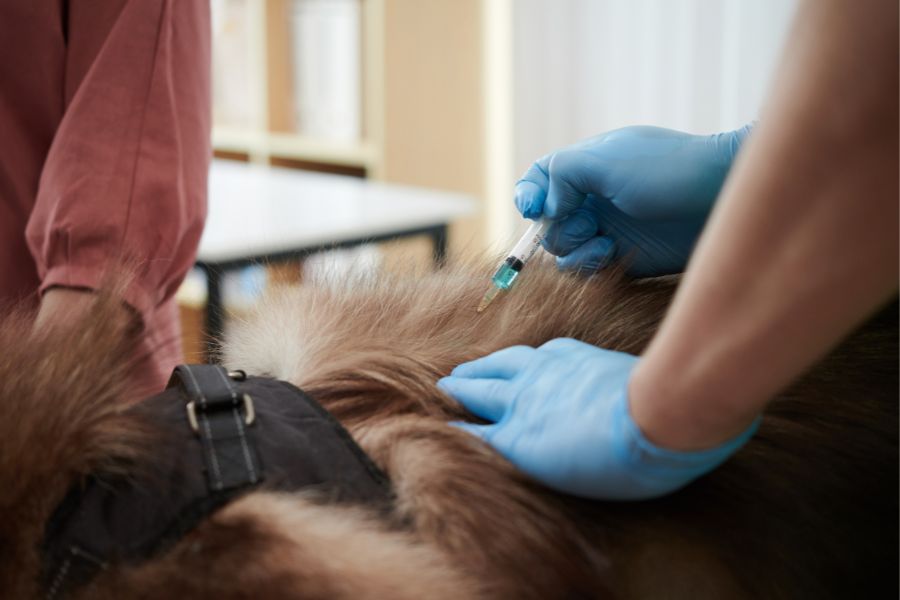
As a responsible pet owner, ensuring your furry friend lives a long, healthy life is one of your top priorities. Among the most effective ways to protect your pet’s well-being is by keeping their vaccinations up to date. Vaccines help prevent a range of potentially fatal diseases, some of which can also be transmitted to humans.
In this post, we will explore why pet vaccinations are essential, how they work, the types of vaccines your pet may need, and why regular veterinary visits are a must.
How Vaccines Work in Pets
Vaccinations work by preparing your pet’s immune system to fight off specific diseases. They contain antigens that mimic the disease without actually causing illness. Once administered, your pet’s immune system creates antibodies to defend against the real disease if it is ever encountered.
Because pets are exposed to various risks—especially if they spend time outdoors, visit parks, or interact with other animals—vaccines offer an essential line of defense. Without them, your pet becomes vulnerable to dangerous and preventable diseases like rabies, parvovirus, and distemper.
Core vs. Non-Core Vaccines
When it comes to vaccinations, not all are created equal. Veterinarians typically divide vaccines into core and non-core categories:
✅ Core Vaccines
These are considered essential for all pets, regardless of lifestyle. They protect against the most common and severe diseases.
- Dogs: Rabies, Distemper, Parvovirus, Adenovirus
- Cats: Rabies, Panleukopenia, Calicivirus, Herpesvirus
✅ Non-Core Vaccines
These depend on your pet’s environment, lifestyle, and risk of exposure.
- Dogs: Bordetella (kennel cough), Lyme disease, Canine influenza
- Cats: Feline leukemia virus (FeLV), Chlamydia
Your veterinarian will recommend the appropriate vaccines based on your pet’s age, health, and exposure risks.
When Should You Vaccinate Your Pet?
Timely vaccination is crucial. Puppies and kittens typically begin their vaccination series at 6 to 8 weeks of age. These continue every few weeks until they reach around 16 weeks old.
After the initial series, booster shots are required periodically to maintain immunity. Adult pets should follow a vaccination schedule, typically annual or triennial, depending on the vaccine type and local regulations.
Benefits of Vaccinating Your Pet
Let’s break down the key benefits of regular vaccinations:
- Disease Prevention: Protects your pet from potentially fatal illnesses.
- Cost-Effective: Preventing disease is often far less expensive than treating it.
- Legal Compliance: In many areas, rabies vaccination is legally required.
- Peace of Mind: You can rest easy knowing your pet is protected.
- Longer Lifespan: Vaccinated pets are more likely to live longer, healthier lives.
With all these benefits, skipping vaccines is simply not worth the risk.
Regular Vet Visits Matter
Even if your pet appears healthy, regular checkups are necessary. During these visits, your vet can update vaccines, perform health screenings, and catch early signs of illness.
In addition to vaccines, your vet may recommend preventive care such as flea and tick control, heartworm prevention, and dental health assessments. All these play a role in your pet’s overall well-being.
Vaccinations are a cornerstone of your pet’s health. They help prevent serious diseases, save on long-term medical costs, and contribute to a healthier community. Whether you just brought home a new puppy or have a senior pet, staying current on vaccinations is a critical part of responsible pet ownership.
If you’re looking for pet vaccinations in Tarpon Springs, FL, make sure to visit a trusted local veterinary clinic that follows the latest medical guidelines. Your pet deserves the best protection available—and vaccines are one of the simplest ways to give them a healthier, longer life.
FAQs About Pet Vaccinations
Q1. Are pet vaccinations really necessary?
Ans. Yes. Vaccinations protect against serious, often fatal diseases. They are essential to your pet’s health and public safety.
Q2. Can vaccines make my pet sick?
Ans. Mild side effects like fatigue or slight swelling at the injection site may occur. Serious reactions are rare, and the benefits far outweigh the risks.
Q3. How often should pets be vaccinated?
Ans. Puppies and kittens need a series of vaccines starting at 6-8 weeks. Adult pets usually need boosters annually or every three years.
Q4. What happens if I miss a vaccine?
Ans. If a vaccine is missed, your vet may need to restart the series. It’s best to keep to the schedule to maintain effective protection.
Q5. Is rabies vaccination legally required?
Ans. In most U.S. states, including Florida, rabies vaccination is mandatory for dogs and cats. Check your local laws to stay compliant.
Q6. Where can I get pet vaccinations in Tarpon Springs, FL?
Ans. You can visit reputable veterinary clinics in Tarpon Springs, FL, that offer personalized vaccination plans tailored to your pet’s needs.




Fast, Friendly Help
For New, Sick & Injured Pets!