


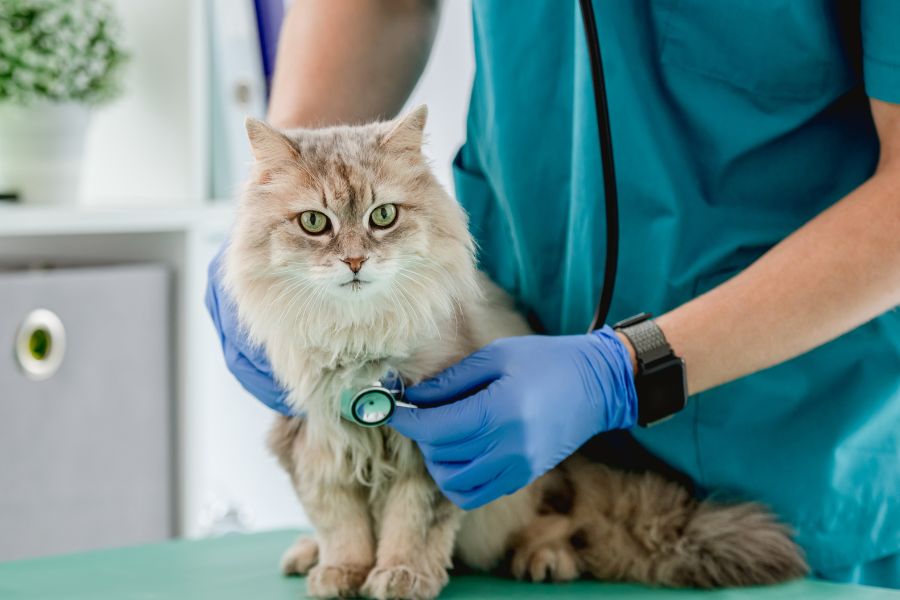
As pet owners, we all want our furry friends to live long, happy lives. While we can’t control everything, veterinarians play an essential role in ensuring that pets lead healthier lives and have a higher quality of life. With their expertise, veterinarians help manage and treat a variety of health issues, from preventative care to emergency interventions, that can significantly impact the lifespan of your pet. In this blog, we will discuss the various ways vets help pets live longer, healthier lives, especially for pet owners in Tarpon Springs, FL.
Preventative Care to Keep Pets Healthy
One of the most important services veterinarians provide is preventative care. Regular veterinary visits are essential to keeping your pet in peak health. During these check-ups, the veterinarian performs comprehensive physical exams, ensuring that everything from your pet’s teeth and gums to their skin, ears, and eyes is in good condition. Preventative care includes vaccinations, parasite control, and routine screenings.
How It Helps: Preventative care helps identify health issues early on, before they become serious. Vaccinations protect against harmful diseases like rabies and parvovirus, which can be fatal. Regular parasite prevention ensures that your pet stays safe from ticks, fleas, and heartworms, which can cause severe complications. Keeping up with these regular exams will keep your pet healthier and reduce the risk of more complicated health problems.
Early Diagnosis for Better Treatment
Veterinarians are equipped with tools and expertise to catch health problems early—sometimes before you even notice symptoms. Regular visits provide the opportunity for early diagnosis, which is crucial in managing conditions before they worsen.
How It Helps: Early diagnosis is key in addressing conditions like kidney disease, diabetes, or even cancer. For example, catching kidney disease in its early stages allows vets to recommend medications or treatments that can prolong your pet’s life. By identifying and treating conditions early, vets provide pets with the opportunity for more effective and longer-lasting care.
Dental Care to Prevent Serious Health Issues
Did you know that dental health is a significant part of your pet’s overall well-being? Poor oral hygiene can lead to serious health problems, including heart disease and kidney failure. Regular dental exams and professional cleanings are essential for your pet’s oral health.
How It Helps: Proper dental care prevents painful infections, tooth decay, and other dental diseases. If left untreated, dental disease can cause bacteria to enter the bloodstream, affecting vital organs. By maintaining good oral health, your pet avoids the pain of tooth decay and reduces the risk of heart and kidney issues. Regular professional cleanings and dental care guidance from a veterinarian will help ensure your pet’s mouth remains healthy.
Nutrition and Weight Management for a Longer Life
Proper nutrition and weight management are essential for your pet’s health, longevity, and happiness. Vets provide critical guidance on selecting the best food, helping you choose a diet that supports your pet’s breed, size, age, and health conditions.
How It Helps: Maintaining a healthy weight is crucial because obesity can lead to arthritis, heart disease, and diabetes. Pets that are overweight often experience a shorter lifespan due to the strain on their joints and internal organs. Vets can recommend portion control, healthy snacks, and exercise routines that help manage your pet’s weight. Additionally, choosing a balanced diet rich in essential nutrients ensures that your pet receives the energy they need to stay active and strong throughout their life.
Emergency Care for Unexpected Health Crises
Emergencies can happen at any time, from accidental injuries to sudden illness. Vets are trained to handle a variety of medical crises and provide immediate, life-saving care. Whether it’s trauma from an accident or a severe allergic reaction, emergency care is critical in ensuring your pet recovers quickly.
How It Helps: Emergency care saves lives by stabilizing pets during traumatic events. Whether it’s through surgery, intravenous fluids, or other medical interventions, a veterinarian’s swift action can make all the difference. Knowing that your veterinarian can handle an emergency situation gives you peace of mind and ensures your pet has the best chance of recovery.
Specialized Care for Chronic Conditions
Just like humans, pets can develop chronic conditions as they age, such as arthritis, heart disease, or kidney failure. Vets are skilled in managing chronic health problems, providing medications, therapies, and lifestyle modifications to keep your pet as comfortable as possible.
How It Helps: Specialized care ensures that chronic conditions are managed effectively, allowing your pet to continue enjoying their life. For instance, pets with arthritis may benefit from joint supplements and physical therapy, while those with heart conditions may require regular monitoring and medications. Regular check-ups and tailored care plans ensure that your pet’s condition is managed to improve their quality of life and keep them comfortable for years to come.
How Veterinarians Contribute to Your Pet’s Long-Term Health
Veterinarians play an indispensable role in helping pets live longer and healthier lives. Whether it’s through preventative care, early diagnosis, dental care, nutrition, emergency treatment, or specialized care for chronic conditions, veterinarians provide the knowledge and expertise needed to maintain your pet’s well-being.
If you are in Tarpon Springs, FL, and looking for a veterinarian, book an appointment with Anclote Animal Hospital. Our veterinary team is committed to providing the best care for your pet, ensuring that they live a long, healthy, and happy life.
FAQs
Q1. How often should I take my pet to the veterinarian for check-ups?
Most pets should visit the veterinarian at least once a year for check-ups. Older pets or those with health issues may need more frequent visits.
Q2. Can veterinarians help with my pet’s behavior issues?
Yes, veterinarians can offer advice on managing behavioral issues. They may also refer you to a veterinary behaviorist for more specialized care.
Q3. What are the signs that my pet is in pain and needs to see a veterinarian?
Signs of pain include limping, whining, changes in appetite, excessive licking, or behavior changes. If you notice any of these signs, it’s time to consult your vet.
Q4. How can I prevent dental disease in my pet?
Regular brushing, dental chews, and professional dental cleanings can help prevent dental disease. Your vet can recommend the best practices for maintaining your pet’s oral health.
Q5. What should I do if my pet has an emergency outside of regular office hours?
If your pet needs emergency care after hours, contact your nearest emergency veterinary hospital or after-hours service. Always have emergency contact information handy.
Q6. How do I know if my pet is overweight?
Your veterinarian can assess your pet’s weight and condition during check-ups. They will recommend a tailored diet and exercise plan if your pet is overweight.



Fast, Friendly Help
For New, Sick & Injured Pets!