


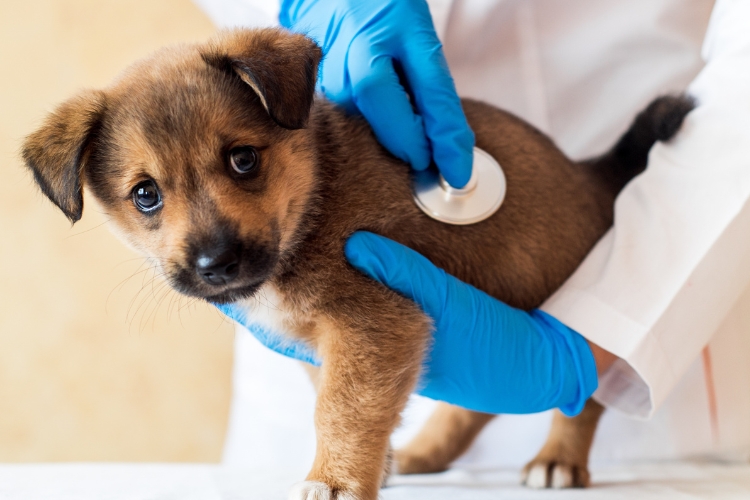
Bringing home a puppy brings joy, laughter, and many new responsibilities for every pet owner. Early habits, daily care, and proper guidance play a major role in shaping your puppy’s future health and behavior. A young dog depends on consistent routines, safe environments, and the right nutrition to grow into a happy companion. Building a strong foundation from the beginning helps prevent many common issues later in life.
This blog is especially for pet owners in Tarpon Springs, FL, who want clear and practical advice. Local climate, lifestyle, and environment all influence how you care for your puppy. Following a structured plan for puppy care helps your pet adjust well and feel comfortable in your home. A thoughtful approach makes raising a puppy smoother and more rewarding for everyone involved.
Start With a Strong Daily Routine
A consistent routine helps your puppy feel safe and understand what to expect each day. Regular feeding times, bathroom breaks, and sleep schedules create structure and reduce confusion. Puppies learn quickly when their daily life follows a pattern.
Young dogs need frequent meals and breaks, especially during the first few months. Skipping routines can lead to accidents, anxiety, and unwanted behaviors. Keeping a steady schedule also helps track changes in appetite or energy, which may signal health concerns.
• Set feeding times: Feed your puppy at the same hours every day to build a stable digestion pattern.
• Plan potty breaks: Take your puppy outside often, especially after meals and naps.
• Create sleep habits: Designate a quiet space where your puppy can rest without interruption.
Feed the Right Nutrition From Day One
Good nutrition plays a key role in proper growth and development. Puppies need balanced meals with the right mix of protein, fats, and essential nutrients. Choosing high-quality food supports bone growth, brain development, and energy levels.
Avoid feeding table scraps or human food, as many items can harm your puppy’s health. Clean water should always be available, especially in warmer climates like Florida. Monitoring portion sizes helps prevent overeating and unhealthy weight gain.
The vet can guide you on the best food choices based on your puppy’s breed, size, and age. Early dietary decisions shape long-term health and reduce the risk of digestive issues.
Build Healthy Social Skills Early
Socialization helps puppies become confident and well-behaved adult dogs. Exposure to different people, sounds, and environments reduces fear and anxiety. Introducing new experiences slowly helps your puppy adjust without feeling overwhelmed.
Positive interactions during the early months are critical for emotional development. Gentle handling and calm environments build trust and comfort. Avoid forcing your puppy into stressful situations, as negative experiences can leave lasting impressions.
• Introduce new people: Allow your puppy to meet different individuals in calm settings.
• Explore new spaces: Short visits to safe areas help your puppy adapt to change.
• Encourage gentle play: Supervised playtime teaches proper interaction with others.
Stay on Track With Health Visits
Regular health visits are essential for monitoring growth and preventing illness. A puppy vet checkup helps detect early signs of disease and ensures vaccinations are given on time. Preventive care reduces the risk of serious health problems later.
Vaccinations protect against common infections and keep your puppy safe in public spaces. Parasite prevention is also important, especially in areas where fleas and ticks are common. Routine exams help track weight, development, and overall wellness.
Following puppy health tips from vets ensures your pet receives proper care at every stage. Keeping records of visits and treatments helps maintain consistency in your puppy’s health plan.
Make Training Simple and Positive
Training builds communication between you and your puppy. Clear instructions, patience, and rewards help your dog understand what is expected. Positive reinforcement encourages good behavior without fear or stress.
Short training sessions work best, as puppies have limited attention spans. Repeating commands and rewarding success helps reinforce learning. Consistency from all family members prevents confusion and speeds up progress.
Avoid punishment or harsh methods, as they can lead to fear and behavioral problems. Gentle guidance builds trust and strengthens your bond with your pet.
Manage Teething Without Stress
Puppy teething can be challenging, as young dogs explore the world with their mouths. Chewing helps relieve discomfort but may lead to damage to the home. Providing safe chew toys helps healthily redirect this behavior.
Teething usually begins around a few weeks of age and continues for several months. During this time, puppies may chew on furniture, shoes, or other household items. Keeping harmful objects out of reach protects your puppy and your belongings.
• Offer safe toys: Choose durable chew toys designed to protect teeth and gums.
• Remove unsafe objects: Keep small or harmful items away from your puppy’s reach.
• Stay patient: Understand that chewing is a natural part of growth and development.
Keep Your Puppy Active and Engaged
Physical activity helps maintain a healthy weight and supports muscle development. Daily exercise also reduces boredom, which can lead to destructive behavior. Playtime strengthens your bond while keeping your puppy mentally stimulated.
Short walks, gentle games, and interactive toys provide the right level of activity. Overexertion should be avoided, especially for young puppies with developing joints. Adjust exercise based on your puppy’s age and energy level.
Mental stimulation is just as important as physical activity. Puzzle toys and simple training games keep your puppy engaged and curious.
Maintain Cleanliness and Grooming Habits
Good hygiene keeps your puppy comfortable and prevents skin issues. Regular grooming helps detect early signs of problems like ticks, fleas, or irritation. Bathing should be done using gentle products designed for dogs.
Brushing your puppy’s coat removes loose fur and reduces shedding. Cleaning ears and trimming nails are also important parts of routine care. Keeping your puppy clean contributes to overall health and well-being.
The veterinarian can provide advice on proper grooming schedules based on your puppy’s coat type and lifestyle.
Create a Safe and Loving Home Environment
A safe environment helps your puppy feel secure and reduces the risk of injury. Removing hazards such as electrical cords, toxic plants, and small objects prevents accidents. Puppy-proofing your home ensures your pet can explore safely.
Comfortable bedding and a quiet resting area help your puppy relax. Spending quality time together builds trust and strengthens your relationship. A calm and loving home encourages positive behavior and emotional stability.
Raising a puppy requires patience, consistency, and care. Small efforts each day make a big difference in your pet’s growth and happiness.
Watch for Early Signs of Health Concerns
Observing your puppy’s behavior helps detect issues before they become serious. Changes in appetite, energy levels, or bathroom habits may signal a problem. Early action can prevent complications and ensure a quick recovery.
Common signs to watch include vomiting, diarrhea, coughing, or unusual lethargy. Regular monitoring helps you understand what is normal for your puppy. Keeping notes can help during visits to the veterinary clinic.
A new puppy owner’s guide often highlights the importance of early detection and timely care. Staying alert helps protect your puppy’s long-term health.
Smart Care Choices for a Bright Future
A thoughtful approach to puppy care builds a strong foundation for lifelong health and happiness. Consistent routines, proper nutrition, and regular health checks help your puppy grow into a well-adjusted companion. Anclote Animal Hospital provides essential veterinary services designed to support your puppy’s development at every stage, helping pet owners feel confident in their care decisions.
If you are in Tarpon Springs and looking for a trusted veterinarian near you, book an appointment at Anclote Animal Hospital today. Our caring team will guide you through every step, from your first visit to ongoing wellness care, ensuring your puppy receives the attention and treatment needed for a healthy and happy life.
Frequently Asked Questions
1. How do I know if my puppy is eating enough each day?
Healthy puppies usually show steady weight gain, good energy levels, and regular eating habits. Monitoring food portions and body condition helps ensure your puppy receives proper nutrition without overfeeding or underfeeding issues.
2. What vaccinations does a puppy need in the first year?
Puppies require core vaccines that protect against serious diseases like parvovirus, distemper, and rabies. The veterinarian will create a schedule based on your age, lifestyle, and local risk factors.
3. How can I safely introduce my puppy to other pets?
Gradual introductions in a controlled environment help reduce stress for both animals. Keeping early interactions calm and supervised allows your puppy to build positive relationships and avoid fear-based reactions or aggression.
4. What are the signs that my puppy might be stressed or anxious?
Common signs include excessive barking, hiding, pacing, or loss of appetite. Observing early behavioral changes allows pet owners to address triggers and create a calmer, more comfortable environment for their puppy.
5. How often should I groom my puppy at home?
Regular grooming depends on your puppy’s coat type, but weekly brushing and occasional bathing help keep it clean. Consistent grooming also helps detect skin issues, parasites, or unusual changes early.



Fast, Friendly Help
For New, Sick & Injured Pets!