


Choosing a veterinarian is one of the first major decisions you make after welcoming a pet into your family. Whether you have recently moved to Tarpon Springs, adopted a new companion, or simply want a veterinary team that fits your needs, the search can feel overwhelming. Many clinics may look similar online, but the quality of care, communication, and overall experience can vary.
A good veterinary relationship is built over time. Your pet should feel comfortable with the medical team, while you should feel confident asking questions and discussing concerns. When looking for a vet in Tarpon Springs, it helps to consider more than location alone.
Start With the Type of Care Your Pet Needs
Every pet has different healthcare needs. A young puppy or kitten may require frequent guidance during the early stages of life, while an older dog or cat may need closer monitoring for age related changes.
Before choosing a clinic, think about the services your pet may need now and in the future.
Look for a veterinary practice that can provide services such as:
- Routine wellness examinations
- Preventive care
- Dental evaluations and dental care
- Diagnostic testing
- Laboratory services
- Imaging when appropriate
- Surgical care
- Nutritional guidance
- Senior pet care
- Behavioral guidance
A clinic offering a broad range of services can make it easier to maintain continuity of care as your pet grows.
Consider How the Veterinary Team Communicates
Good veterinary care is not only about medical knowledge. Communication matters just as much.
During an appointment, the veterinarian should explain findings in language that is easy to understand. You should have an opportunity to ask questions and discuss treatment options without feeling rushed.
Pay attention to whether the team:
- Listens carefully to your concerns
- Explains recommendations clearly
- Discusses follow up care
- Provides understandable instructions
- Answers questions patiently
- Treats your pet gently and respectfully
The right veterinarian should make you feel like an active participant in your pet’s healthcare rather than simply someone receiving instructions.
Ask About Diagnostic Capabilities
Pets cannot explain where they hurt or how long they have felt unwell. Veterinary diagnostics can therefore play an important role in identifying what may be happening beneath the surface.
When learning how to choose an animal hospital, ask what diagnostic capabilities are available and whether certain testing can be performed within the practice.
Depending on your pet’s situation, diagnostic services may include laboratory testing, digital imaging, bloodwork, urinalysis, or other evaluations.
Having access to appropriate diagnostic tools can help the veterinarian gather more information when symptoms are unclear. It can also help create a more informed treatment plan.
Look for a Calm and Pet Friendly Environment
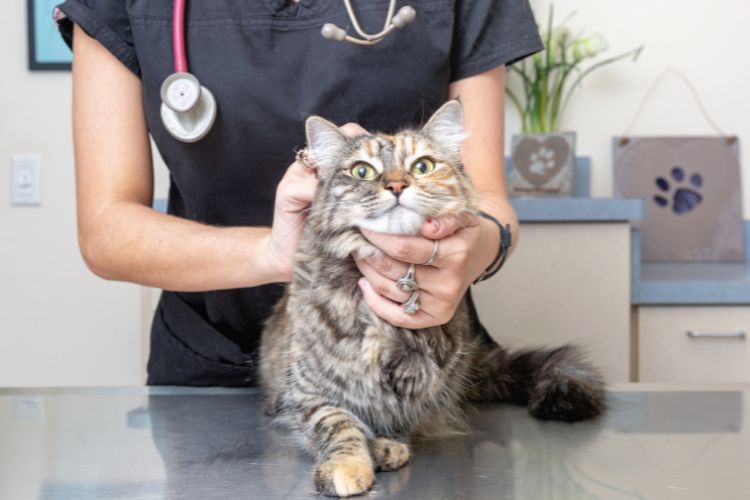
A veterinary visit can be stressful for some animals. A clinic’s environment and handling approach can influence how comfortable your pet feels.
Look for a practice where staff members interact patiently with animals and understand that every pet responds differently to unfamiliar surroundings.
Some pets may walk confidently into a clinic. Others may become nervous, hide, vocalize, or resist handling.
A compassionate veterinary team recognizes these differences and adjusts its approach when possible. Gentle handling can help create a more positive experience and may make future visits easier.
Think About Your Pet’s Individual Personality
There is no single veterinary environment that works perfectly for every pet.
A confident dog may be comfortable around other animals and unfamiliar people. A nervous cat may prefer a quieter environment and slower interactions.
Consider your pet’s temperament when evaluating a clinic.
You can ask questions such as:
- How does the team handle anxious pets?
- Can owners stay with their pets during appropriate parts of an examination?
- How does the staff approach fearful animals?
- What steps are taken to minimize unnecessary stress?
- How are pets monitored during procedures?
These questions can help you understand whether the clinic’s approach matches your pet’s personality.
Evaluate Transparency Around Treatment Costs
Veterinary care involves many different services, and costs can vary depending on your pet’s needs. Clear communication about expected expenses helps prevent confusion.
When speaking with a clinic, ask whether the veterinary team explains recommended procedures and associated costs before proceeding when circumstances allow.
A transparent practice should be willing to explain:
- Why a test or procedure is recommended
- What the service involves
- What follow up may be necessary
- What care may be appropriate if additional findings are discovered
Open conversations about treatment plans can help pet parents make informed decisions.
Read Reviews With the Right Perspective
Online reviews can provide useful insight, but they should not be your only deciding factor.
Look for recurring themes rather than focusing on a single review. Pay attention to comments about communication, staff interactions, appointment experiences, cleanliness, follow up, and how pets were treated.
A top-rated vet based solely on an online rating may not necessarily be the right match for your particular pet.
Instead, combine online research with direct communication. Calling or visiting a clinic can tell you things that a review cannot.
Consider Location and Accessibility
Convenience matters because veterinary care is an ongoing responsibility.
A clinic located reasonably close to your home can make routine appointments easier to manage. It can also be helpful when your pet needs follow up visits, diagnostic testing, or ongoing monitoring.
For pet parents in Tarpon Springs, consider the travel time, appointment availability, parking, communication options, and overall accessibility of the practice.
The most convenient clinic is not necessarily the closest one. It is the one that fits realistically into your family’s routine while meeting your pet’s healthcare needs.
Pay Attention to Preventive and Long Term Care
A veterinarian should not only help when something appears wrong. Preventive care is an important part of keeping pets healthy throughout their lives.
Routine examinations allow the veterinary team to establish a baseline for your pet and monitor changes over time. They can also provide opportunities to discuss nutrition, weight, dental health, parasite prevention, activity, and age related concerns.
When you build a long term relationship with a veterinarian, the team becomes familiar with your pet’s medical history and individual patterns.
That familiarity can be valuable when something changes.
Trust Your First Impression
Your first interaction with a veterinary practice can tell you a lot.
Notice how the staff communicates when you call. Do they listen? Are they willing to answer basic questions? Do they seem interested in understanding your pet’s needs?
You should also consider whether you feel comfortable discussing concerns with the veterinarian.
Choosing a vet in Tarpon Springs is ultimately about finding a healthcare partner who combines appropriate medical resources with compassionate communication and respect for your pet.
Schedule a Visit With a Veterinary Team You Can Trust
If you are searching for a veterinarian in Tarpon Springs, taking time to evaluate your options can help you establish a lasting relationship with a veterinary team. Anclote Animal Hospital welcomes local pet parents who want attentive, comprehensive care tailored to their pets.
Consider scheduling an online appointment or contacting the practice to discuss your pet’s needs. A first visit can help you determine whether the clinic feels like the right fit for both you and your companion.
Frequently Asked Questions
Q1. What should I bring to my pet’s first veterinary appointment?
Ans: Bring any available medical records, information about your pet’s current diet and medications, and notes about recent changes in behavior or health. If you have questions or concerns, write them down before the appointment so you can discuss them with the veterinarian.
Q2. How can I tell if a veterinarian is a good fit for my nervous pet?
Ans: Ask the veterinary team how they handle anxious or fearful animals. Look for staff who use patient, gentle interactions and are willing to adjust their approach based on the pet’s behavior. Your pet’s comfort should be considered alongside the medical purpose of the appointment.
Q3. Should I choose a veterinary clinic based only on online reviews?
Ans: Online reviews can be helpful, but they should be one part of your research. Consider the clinic’s services, communication style, diagnostic capabilities, accessibility, and approach to handling pets. Speaking directly with the practice can provide additional information that reviews may not capture.
Q4. Why are diagnostic services important when choosing an animal hospital?
Ans: Diagnostic services give veterinarians tools to investigate symptoms that may not have an obvious cause. Laboratory testing and imaging can provide additional information about your pet’s health and help the veterinary team make more informed decisions about further care.
Q5. What questions should I ask before choosing a veterinarian?
Ans: Ask about the services offered, appointment process, diagnostic capabilities, handling approach, communication practices, and follow up care. You can also ask how the team manages nervous pets and explains treatment recommendations. These answers can help you decide whether the practice matches your expectations.



Fast, Friendly Help
For New, Sick & Injured Pets!