

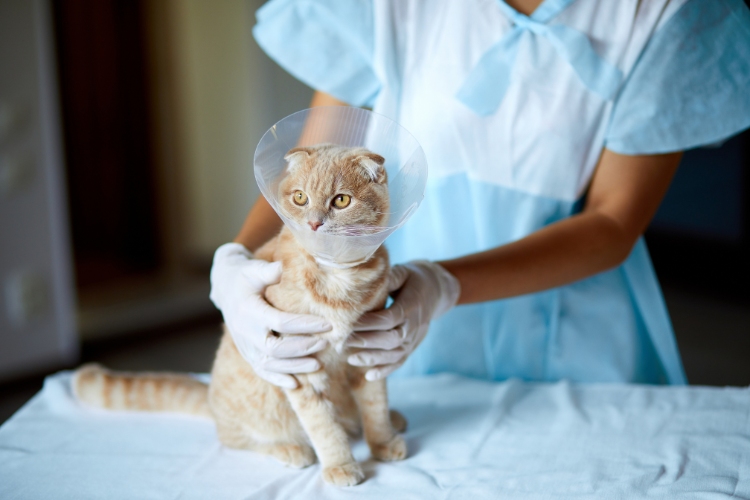
As a responsible pet owner, one of the most important decisions you can make for your pet’s well-being is whether or not to spay or neuter them, which is often seen as a routine procedure, but it holds immense value in maintaining your pet’s health and improving their quality of life. From preventing unwanted litters to reducing the risk of certain diseases, spaying and neutering your pets is a crucial aspect of responsible pet ownership.
This blog is especially for pet owners in Tarpon Springs, FL, who want to understand the benefits of spaying/neutering their pets. In this guide, we’ll explore why spay/neuter surgery is vital, how it affects your pet’s overall health, and how it contributes to your community’s well-being. Read on to discover why spaying/neutering should be part of your pet care routine.
Why Spaying and Neutering Matter for Your Pet
Spaying and neutering are surgical procedures designed to prevent pets from reproducing. Spaying refers to the removal of a female pet’s ovaries and uterus, while neutering refers to the removal of a male pet’s testicles. These procedures are typically done at a young age and offer a range of health benefits for both male and female pets.
While many pet owners may see spay/neuter surgery as a way to prevent unwanted litters of puppies and kittens, they also offer significant health and behavioral benefits. Moreover, spaying/neutering can help reduce the overpopulation in shelters, ultimately saving lives and improving the community’s overall pet health.
The Lifelong Health Benefits of Spaying/Neutering Your Pet
1. Prevents Certain Types of Cancer
One of the most significant health benefits of spaying/neutering is the prevention of certain cancers. For female pets, spaying eliminates the risk of ovarian and uterine cancer, both of which are common in unspayed females. Neutering male pets eliminates the risk of testicular cancer and reduces the risk of prostate problems. By opting for this procedure, you are giving your pet a better chance at a longer, healthier life.
2. Reduces the Risk of Infection
Spaying females also prevents uterine infections, which can be life-threatening if left untreated. Pyometra, a serious infection of the uterus, is a common issue in older, unspayed female dogs and cats. Neutering male pets can prevent certain prostate problems and eliminate the risk of testicular infections.
3. Promotes Better Behavior
Neutering your male pet can lead to better behavior and a calmer temperament. Neutered male pets are less likely to engage in territorial marking, aggression, or roaming in search of a mate. Spaying female pets eliminates the behavioral changes associated with heat cycles, such as yowling, agitation, and attracting male animals.
4. Prevents Overpopulation
By spaying or neutering your pet, you’re helping to prevent the overpopulation of unwanted animals in your community. Every year, millions of pets are surrendered to shelters, many of them due to unplanned litters. By spaying and neutering, you reduce the number of puppies and kittens that end up in shelters, where not all of them will find homes. It’s a simple procedure that can make a big difference in your community’s animal population and help decrease the number of homeless pets.
Myths vs. Facts About Spaying or Neutering
Myth: Spaying/Neutering Will Change My Pet’s Personality
One common myth is that spaying or neutering your pet will change their personality. In reality, this surgery often leads to a calmer, more balanced temperament. Pets that are spayed or neutered are less likely to exhibit aggressive behaviors or seek out mates, which can make them easier to train and live with.
Myth: It’s Too Expensive
The cost of spaying or neutering is often a concern for pet owners. However, many veterinary clinics and animal shelters offer low-cost options to ensure that this procedure is accessible to everyone. The benefits of spaying and neutering far outweigh the cost, especially when you consider the long-term health benefits and the prevention of unwanted litters.
Myth: It’s Better to Let Pets Have One Litter First
Another myth is that female pets should have one litter before being spayed. However, this is not true. Spaying a pet before its first heat cycle actually significantly reduces the risk of certain cancers and health problems. There is no health benefit to allowing your pet to have a litter, and it may only contribute to the problem of overpopulation.
The Best Time to Spay or Neuter Your Pet for Optimal Health
The ideal time to spay or neuter your pet is generally between 6 and 9 months of age. However, the exact timing can vary depending on the breed and size of the pet. Some pets may be spayed or neutered earlier, while others may need to wait until they are slightly older.
Consult with your veterinarian to determine the best time for your pet. Your vet can assess your pet’s health and recommend the right timing for the procedure.
Long-Term Health Impact of Spaying and Neutering Your Pet
Spaying and neutering not only improve your pet’s health in the short term but also contribute to their overall well-being as they age. By preventing diseases such as cancer and infection, these procedures can help your pet live a longer, healthier life. Furthermore, the behavioral benefits of spaying/neutering contribute to a better quality of life for both you and your pet, as they are less likely to engage in undesirable behaviors.
The importance of spays/neuters extends beyond just your pet’s health—it also impacts the broader community. By reducing the number of unwanted animals, you are helping solve the overpopulation problem. Every pet you spay or neuter helps reduce strain on animal shelters and ensures more pets find loving homes.
One Simple Step to Boost Your Pet’s Health
Spaying and neutering are essential procedures for promoting the health and well-being of your pet. These surgeries not only prevent certain cancers and infections but also help improve your pet’s behavior and help reduce pet overpopulation. By choosing to spay or neuter your pet, you are taking an important step in ensuring that they live a long, happy, and healthy life.
If you’re in Tarpon Springs and you’re considering spaying or neutering your pet from a trusted vet near you, book an appointment with Anclote Animal Hospital to assist you in improving your pet’s health. Our veterinary team can provide guidance and care for your pet’s health needs. Contact us today to take this important step toward improving your pet’s well-being.
Frequently Asked Questions
Q1: What is the best age to spay or neuter my pet?
Most veterinarians recommend spaying or neutering pets between 6 and 9 months of age. However, your vet may adjust this timing depending on your pet’s breed and health.
Q2: Does spaying or neutering affect my pet’s behavior?
Yes, spaying/neutering can lead to improved behavior. Male pets are less likely to mark territory, while females won’t go into heat.
Q3: Will spaying or neutering affect my pet’s weight?
Spaying or neutering does not directly cause weight gain, but it can lower your pet’s metabolism. It’s important to monitor your pet’s diet and exercise after the procedure to prevent weight gain.
Q4: Is spaying or neutering a painful procedure for pets?
Spaying and neutering are typically low-risk procedures performed under anesthesia. Your pet may experience some discomfort during recovery, but your veterinarian will provide pain management options.
Q5: What are the risks of not spaying or neutering my pet?
Not spaying or neutering your pet can lead to unwanted litters, increase the risk of certain cancers and infections, and contribute to the overpopulation of animals in shelters.
Q6: Can spaying or neutering prevent my pet from getting diseases?
Yes, spaying/neutering can significantly reduce the risk of certain cancers, infections, and other reproductive health issues, promoting a longer and healthier life for your pet.



Fast, Friendly Help
For New, Sick & Injured Pets!