

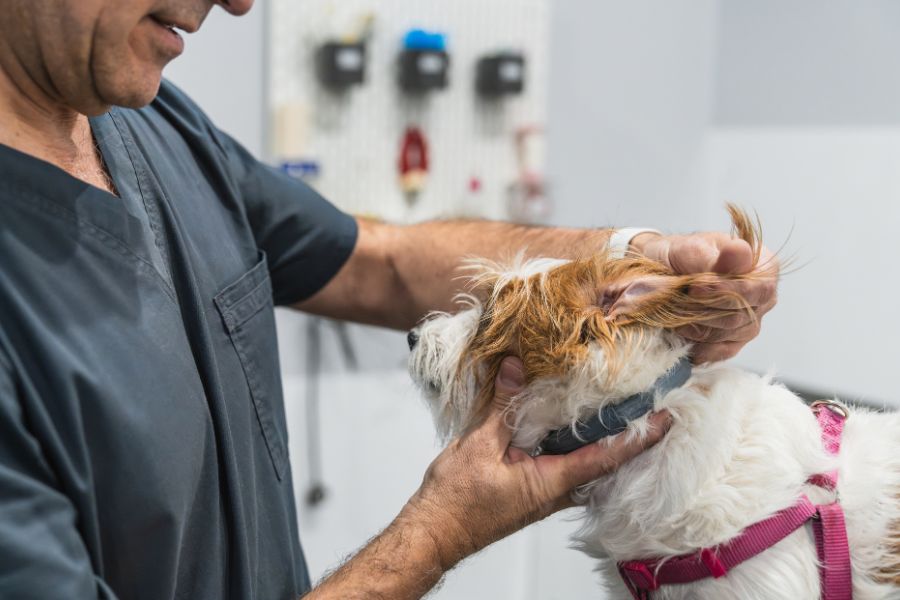
Just like humans, pets can’t always express when something’s wrong — but they do give us clues. As pet owners, it’s essential to recognize early warning signs that indicate your furry friend may need diagnostic care. Whether it’s subtle behavior shifts or more obvious symptoms, paying close attention could make all the difference in your pet’s health and happiness.
1. Sudden Changes in Appetite or Thirst
One of the first red flags in any pet’s health is a change in how much they eat or drink. If your pet is suddenly uninterested in food or water—or, conversely, starts consuming excessive amounts—this can be an indication of an underlying issue.
- Loss of appetite may signal dental problems, gastrointestinal issues, liver disease, or infections.
- Increased thirst can point to diabetes, kidney problems, or hormonal imbalances.
Routine diagnostic tests like bloodwork and urinalysis can help determine the root cause before the condition worsens.
2. Unexplained Weight Loss or Gain
Weight fluctuations in pets should never be ignored. Sudden weight loss might indicate:
- Hyperthyroidism (especially in cats)
- Parasites
- Cancer
- Metabolic disorders
On the other hand, unexpected weight gain could be linked to hormonal issues, overfeeding, or reduced physical activity. A veterinary diagnostic workup can evaluate organ function, metabolism, and hormonal levels to get a clearer picture.
3. Lethargy or Decreased Activity Levels
Is your once energetic dog suddenly sleeping more, or your playful cat no longer jumping on countertops? Lethargy is a nonspecific but serious symptom that may reflect many underlying conditions, such as infections, anemia, or heart disease.
Diagnostic imaging and blood tests can rule out or identify internal concerns that aren’t visible externally.
4. Vomiting or Diarrhea That Persists
Occasional digestive upset happens, but persistent vomiting or diarrhea is cause for concern. It could indicate:
- Parasites
- Food intolerance
- Pancreatitis
- Inflammatory bowel disease
Your veterinarian may recommend fecal tests, blood panels, or imaging to pinpoint the problem. Waiting too long can lead to dehydration or more severe illness.
5. Changes in Behavior or Mood
Pets often express discomfort or illness through behavior. If your pet suddenly becomes aggressive, hides more often, or becomes unusually clingy, it may be a sign that something deeper is going on.
Common diagnostic tests in these cases may include:
- Neurological exams
- Pain assessment
- Thyroid or hormone level testing
Mental and emotional changes are just as important to evaluate as physical symptoms.
6. Bad Breath or Oral Health Issues
While “dog breath” might seem normal, persistent foul odors, drooling, pawing at the mouth, or difficulty eating can signal dental disease, infection, or even kidney issues.
A physical oral exam and dental x-rays are crucial diagnostic tools to identify tooth decay, abscesses, or systemic disease manifesting in the mouth.
7. Trouble Urinating or Defecating
Straining, crying out, or having accidents indoors may be more than behavioral—they’re often signs of:
- Urinary tract infections
- Bladder stones
- Constipation or blockage
- Kidney dysfunction
Diagnostics such as urinalysis, abdominal ultrasound, or x-rays help locate and assess urinary and gastrointestinal tract issues accurately.
8. Labored Breathing or Persistent Cough
Any form of respiratory distress should never be taken lightly. Whether your pet is coughing, wheezing, or breathing heavily even while resting, these could point to:
- Heart disease
- Pneumonia
- Allergic reactions
- Asthma (more common in cats)
Chest x-rays, ECGs, and blood oxygen level checks help veterinarians diagnose and treat respiratory or cardiac issues early.
9. Skin and Coat Changes
A pet’s skin and coat offer clues about their internal health. Signs to watch for include:
- Excessive itching
- Bald spots
Scaly or flaky skin - Lumps or swelling
Skin issues could be the result of allergies, hormonal imbalances, or infections. Diagnostic skin scrapings, allergy testing, or hormone panels help determine appropriate treatment.
10. Seizures or Neurological Symptoms
If your pet is experiencing seizures, disorientation, head tilting, or stumbling, this indicates a neurological problem. Causes can range from epilepsy and brain tumors to toxin exposure or liver dysfunction.
Advanced diagnostics like MRI, CT scans, and neurological exams are essential to determine the underlying cause and begin appropriate treatment.
Early Diagnosis Saves Lives
Your pet may not be able to say “I’m not feeling well,” but their body often communicates loud and clear. Paying attention to these early signs—and seeking timely diagnostic care—can prevent minor issues from becoming major health concerns.
Veterinary diagnostics are more advanced and accessible than ever. From blood work and urinalysis to radiology and ultrasound, veterinarians can uncover hidden issues quickly and develop a targeted treatment plan to restore your pet’s health.
Where to Turn for Expert Diagnostic Pet Care. If you’ve noticed any of the signs mentioned above, Anclote Animal Hospital is here to help. Their team offers comprehensive diagnostic services, including in-house lab testing, digital radiography, and advanced imaging — all designed to give your pet the best care, quickly and accurately.

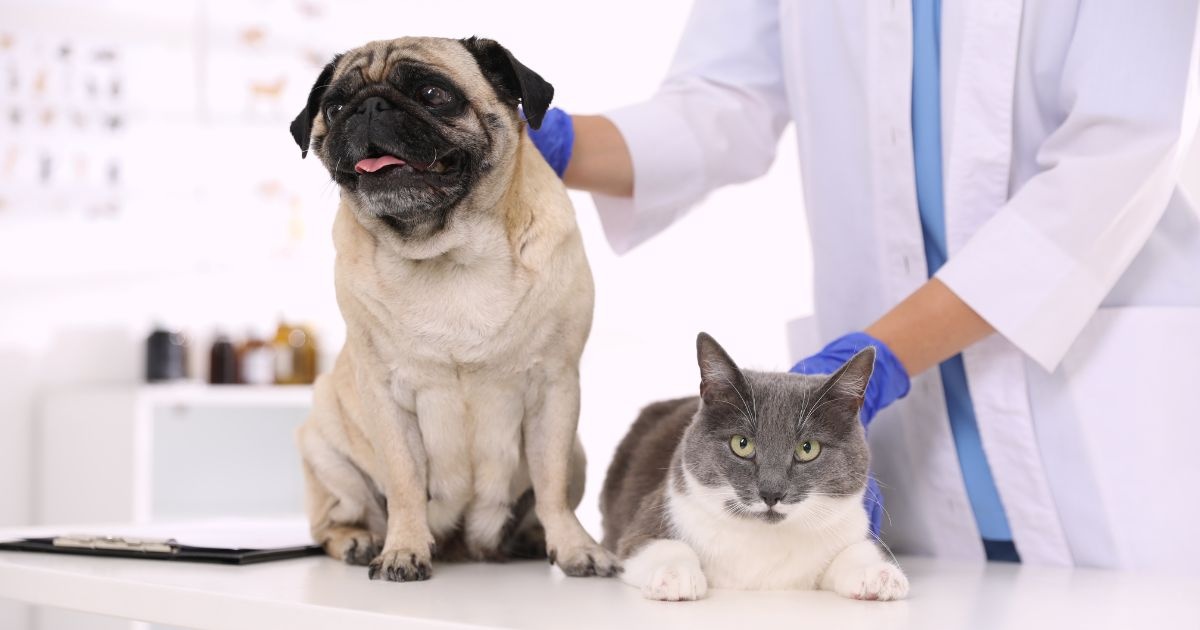

Fast, Friendly Help
For New, Sick & Injured Pets!