

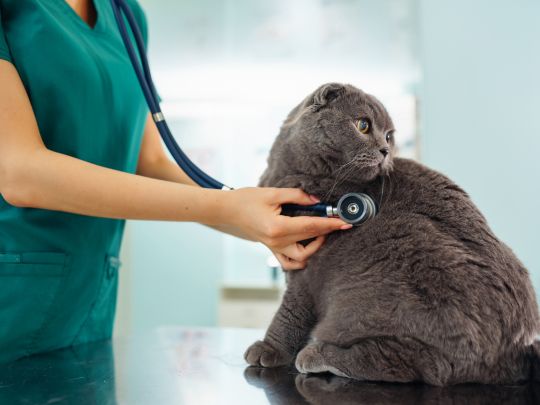
As pet parents, we want our furry companions to live long, healthy, and happy lives. While most pet owners are diligent about treating illness and injury, preventative care often takes a backseat. However, preventative veterinary care is not just an option—it’s a critical aspect of responsible pet ownership.
From vaccinations to dental cleanings and wellness exams, taking proactive steps today can help your pet avoid serious health issues in the future. In this article, we’ll explore why preventative care is essential for your pet’s long-term health and how it can improve their quality of life.
1. Early Detection Saves Lives
First and foremost, one of the most significant advantages of preventative care is early disease detection. Pets can’t tell us when something is wrong, and many illnesses remain hidden until they become severe. Through routine check-ups, your veterinarian can identify subtle signs of disease before they develop into serious health problems.
For example, conditions like diabetes, heart disease, kidney issues, or cancer may not present symptoms until it’s too late. But with regular screenings and diagnostic tests, these conditions can be detected in their early stages—making them much easier to treat or manage effectively.
2. Routine Exams Help Monitor Health Trends
Routine wellness exams serve as a baseline to monitor your pet’s ongoing health. These exams are not just about vaccinations or weight checks—they’re comprehensive evaluations that include:
- Heart and respiratory checks
- Skin and coat analysis
- Eye and ear assessments
- Joint and mobility evaluations
- Behavioral observations
Over time, your vet can spot patterns and changes in your pet’s health, allowing them to adjust care plans as needed. Consistent monitoring is especially important as pets age or if they have chronic conditions.
3. Vaccinations Protect Against Serious Illnesses
Vaccinations are a cornerstone of preventative care. They protect your pet from contagious, and often fatal, diseases such as rabies, parvovirus, distemper, and feline leukemia.
By following a vaccination schedule recommended by your veterinarian, you not only protect your pet but also contribute to community pet health by minimizing disease outbreaks.
Moreover, some vaccines are required by law depending on your location, so staying current helps you remain compliant with local regulations.
4. Parasite Prevention Is a Must
Fleas, ticks, and worms are more than just a nuisance—they can cause serious health issues in pets. Heartworm disease, for instance, is potentially fatal and very difficult to treat once symptoms appear. Luckily, it’s completely preventable.
A well-rounded preventative plan includes regular administration of:
- Flea and tick preventatives
- Heartworm medication
- Intestinal dewormers
These medications not only keep your pet comfortable but also protect them from secondary infections and diseases transmitted by parasites.
5. Dental Care Impacts Overall Health
Dental disease is one of the most common, yet most overlooked, health issues in pets. Without proper dental hygiene, pets can suffer from:
- Painful infections
- Tooth loss
- Bad breath
- Systemic infections affecting the heart, liver, and kidneys
Preventative dental care includes at-home brushing, dental treats, and professional cleanings. Addressing dental issues early can extend your pet’s life and improve their overall well-being.
6. Preventative Care Saves You Money
While it may seem counterintuitive, spending on preventative care now can actually save you money in the long run. Emergency visits and treatments for advanced illnesses can be extremely expensive. On the other hand, regular check-ups and wellness plans are often more affordable.
Prevention is always more cost-effective than treatment.
7. Improves Quality of Life and Longevity
Finally, preventative care directly contributes to your pet’s quality of life. By staying ahead of potential health issues, managing weight, and ensuring mental and physical stimulation, you’re giving your pet the best chance at a long, active, and happy life.
It’s not just about the quantity of years—it’s about the quality of those years.
Preventative care isn’t a luxury—it’s a necessity. From early detection and vaccinations to parasite control and dental health, every proactive step you take adds to your pet’s well-being. If you’re looking to begin or improve your approach to preventative pet care in Tarpon Springs, FL, now is the perfect time to schedule a wellness exam. Your pet’s future health depends on what you do today.
FAQs:
Q1. How often should my pet have a wellness exam?
Ans. Most pets should have at least one wellness exam per year. Senior pets or those with chronic conditions may require more frequent visits.
Q2. Are preventative care visits covered by pet insurance?
Ans. Some pet insurance providers offer wellness plan add-ons that cover vaccinations, exams, and diagnostics. Always check your policy for details.
Q3. When should I start preventative care for my puppy or kitten?
Ans. Preventative care should begin as early as 6-8 weeks of age. Your vet will create a custom plan including vaccinations, deworming, and dietary advice.
Q4. What signs might indicate my pet needs a vet even if they seem healthy?
Ans. Changes in behavior, eating habits, weight, energy levels, or bathroom habits are all signs that something may be wrong. Don’t wait—early vet visits are key.
Q5. How do I maintain my pet’s dental health at home?
Ans. Brush your pet’s teeth regularly, offer dental chews or toys, and schedule professional cleanings as recommended by your vet.
Q6. Is flea and tick prevention necessary year-round?
Ans. Yes. Fleas and ticks can be present even in cooler months, especially in warmer climates like Florida. Year-round protection is essential.




Fast, Friendly Help
For New, Sick & Injured Pets!