

When your beloved dog undergoes surgery, it can be a stressful time—for both of you. Whether it’s a routine procedure like spaying or a more complex operation, your role in the post-operative care process is crucial. By following the right steps, you can ensure a smooth recovery and help your pet return to full health quickly and comfortably.
In this blog post, you’ll learn exactly what to do after your dog comes home from surgery, from managing pain to handling food, movement, and hygiene. Let’s dive in.
1. Create a Calm and Comfortable Recovery Space
First and foremost, your dog needs a peaceful place to rest. Choose a quiet area of your home where your pet can relax without being disturbed by other pets, children, or loud noises. This space should include:
- A soft bed or mat
- Clean blankets or towels
- Easy access to water (if allowed by your vet)
- No stairs or slippery floors nearby
This calm environment helps reduce stress and supports healing.
2. Follow All Veterinary Instructions Carefully
Always follow your veterinarian’s instructions to the letter. This includes:
- Administering prescribed medications at the correct times
- Keeping scheduled follow-up appointments
- Watching for any signs of infection or complications
If your dog refuses medication, ask your vet about alternative methods or flavored options. Never skip a dose or double up without professional advice.
3. Prevent Licking or Scratching the Surgical Site
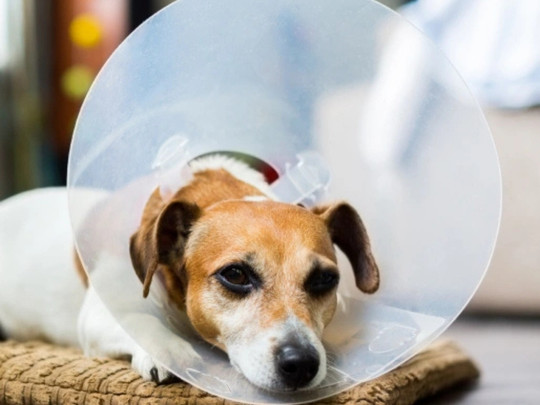
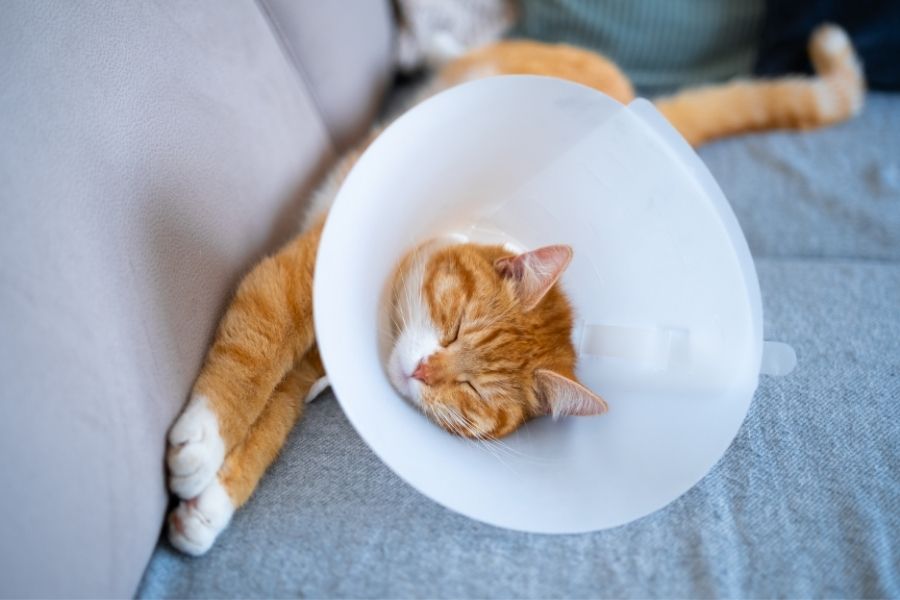
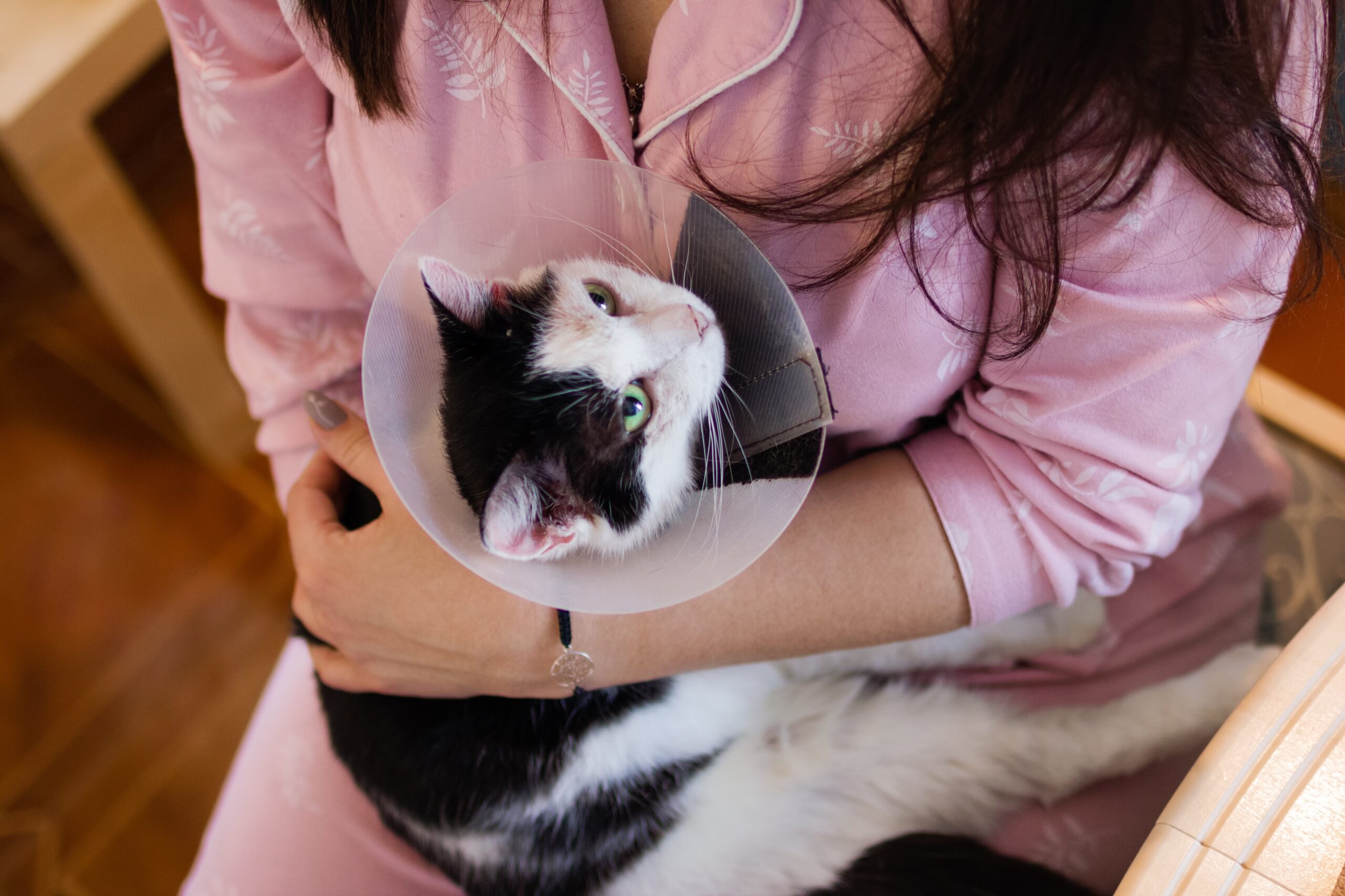
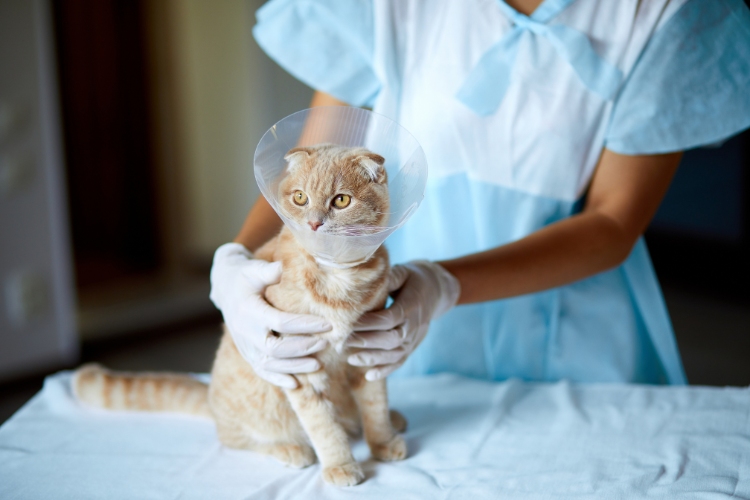
Dogs naturally want to lick or scratch wounds. However, this can cause infections or delay healing. Most veterinarians will provide an e-collar (also known as the “cone of shame”) to prevent this behavior. You can also use soft inflatable collars or post-op suits, depending on your dog’s comfort.
Inspect the surgical site daily. If you notice redness, swelling, pus, or an unpleasant odor, contact your vet immediately.
4. Limit Physical Activity
One of the most important aspects of post-surgery care is restricting movement. Avoid letting your dog run, jump, or go up and down stairs. Too much movement can reopen the incision or cause internal issues.
Use a leash when taking your dog outside, and only allow short potty breaks during the initial recovery period—usually 7 to 14 days, depending on the surgery.
If your dog is very active by nature, ask your vet about safe ways to keep them mentally stimulated without physical exertion.
5. Monitor Food and Water Intake
Your dog may not have much of an appetite immediately after surgery. This is normal and typically resolves within 24 to 48 hours. Offer small portions of bland food like boiled chicken and rice, unless your vet has given you specific dietary instructions.
Ensure fresh water is always available, but monitor intake to prevent vomiting—especially if your dog had anesthesia. If vomiting, diarrhea, or lack of appetite persists beyond a day or two, notify your vet.
6. Maintain Good Hygiene Around the Incision
Keep the surgical site clean and dry. Avoid giving your dog baths or letting them swim until your vet confirms it’s safe—usually after 10 to 14 days.
If bandages are used, follow your vet’s instructions for changing or removing them. Avoid DIY bandaging unless specifically directed, as improper wrapping can cause irritation or restrict blood flow.
7. Know When to Call the Vet
While some signs, like mild lethargy or a temporary decrease in appetite, are normal, others indicate a potential complication. Call your vet immediately if your dog shows:
- Continuous bleeding or discharge from the incision
- Fever
- Difficulty breathing
- Extreme lethargy or collapse
- Vomiting or diarrhea lasting more than 24 hours
It’s better to be cautious than to miss a sign of something serious.
8. Stick to Follow-Up Visits
Don’t skip post-surgery checkups. These appointments allow your vet to:
- Monitor the healing process
- Remove stitches or staples if needed
- Make necessary adjustments to medications or activity restrictions
Timely follow-up care helps avoid complications and ensures your dog’s smooth recovery.
Proper post-surgery care is essential to ensure your dog heals quickly and without complications. From providing a quiet resting space to managing medications, limiting activity, and monitoring for any signs of trouble, your involvement can make a significant difference in your dog’s recovery journey.
For professional and compassionate dog surgery care in Tarpon Springs, FL, trust the experienced team at Anclote Animal Hospital. Our veterinary staff is committed to providing top-quality post-operative care, guidance, and support to help your furry friend recover safely and comfortably. Whether it’s a routine procedure or a more complex surgery, Anclote Animal Hospital is here to be your trusted partner every step of the way.

Fast, Friendly Help
For New, Sick & Injured Pets!