


When your cat undergoes surgery, whether it’s for a routine spay or neuter, a dental procedure, or a more complex surgery, recovery is a crucial part of the process. While surgeries can be necessary for your cat’s health, the recovery phase requires patience, care, and attention to ensure the best possible outcome.
In this blog, we’ll share valuable tips on how to support your cat’s recovery, so they can return to their normal routine quickly and comfortably. Let’s dive into the essential steps you can take to help your feline friend heal after surgery.
1. Follow Your Vet’s Instructions
One of the most important things you can do to help your cat recover is to follow your veterinarian’s post-surgery instructions closely. Your vet will give you specific guidelines regarding pain management, medications, diet, and activity restrictions. These instructions are tailored to your cat’s unique needs and the surgery they had, so it’s essential not to skip or change any part of the plan without consulting your veterinarian.
- Pain Management: Your vet will likely prescribe pain relief medications to help manage any discomfort your cat may experience. Be sure to administer these as directed to ensure your cat is as comfortable as possible during recovery.
- Medications: If your cat is given antibiotics to prevent infection, make sure they are taken on time and for the full duration prescribed.
2. Provide a Quiet, Comfortable Space
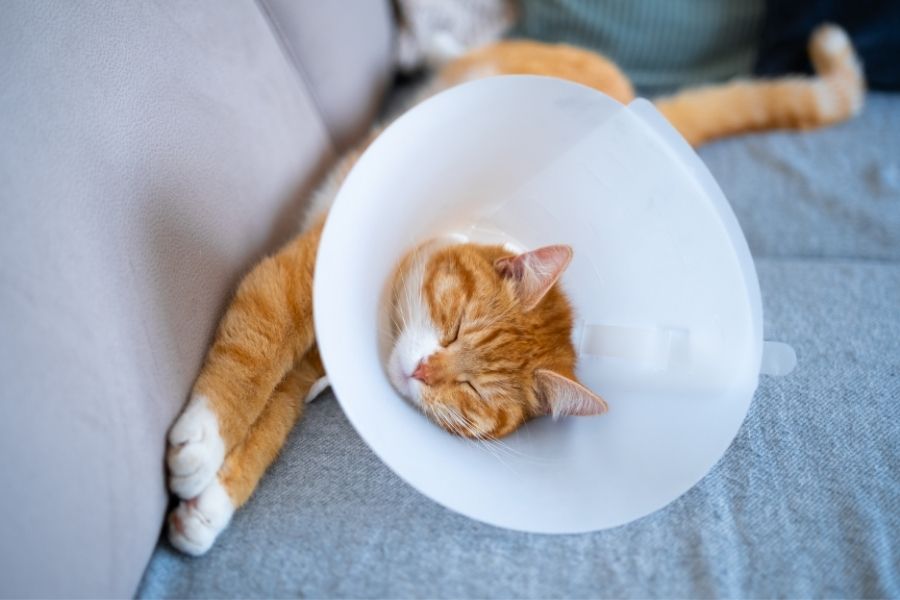
After surgery, your cat will need plenty of rest to heal properly. It’s essential to provide a calm, quiet space where they can recover without being disturbed by other pets, loud noises, or too much activity. Make sure the area is warm and comfortable, with soft bedding that supports their body while they rest.
- Limit Interactions: For the first few days, try to limit interactions and playtime. Allow your cat to adjust and recover without the stress of too much excitement.
- Separate from Other Pets: If you have other pets at home, consider separating your recovering cat from them to reduce stress and prevent accidental injury.
3. Monitor the Surgical Site
Keep a close eye on your cat’s surgical site for any signs of infection or complications. Check the incision area regularly for swelling, redness, or discharge. It’s normal for the site to appear a little swollen or bruised immediately after surgery, but any significant changes could indicate a problem.
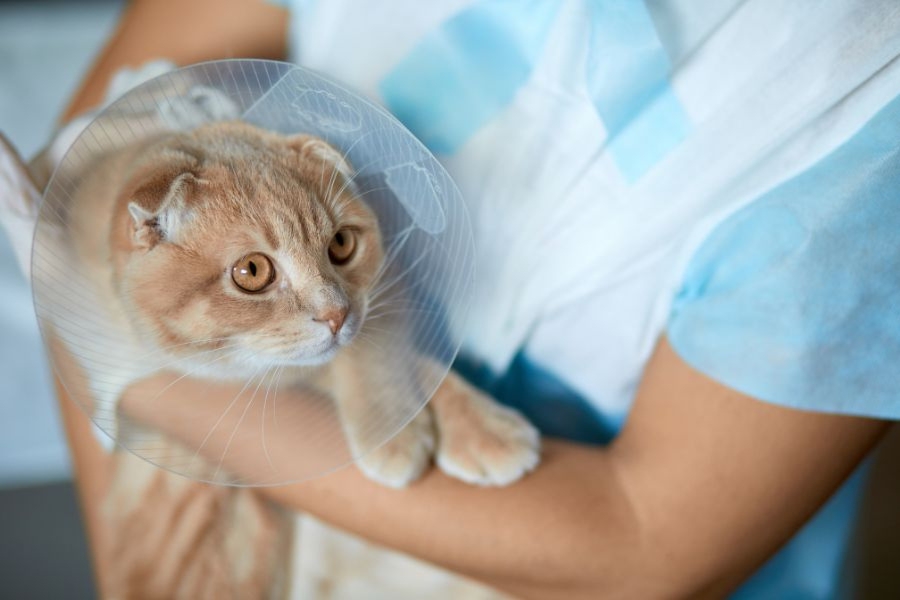
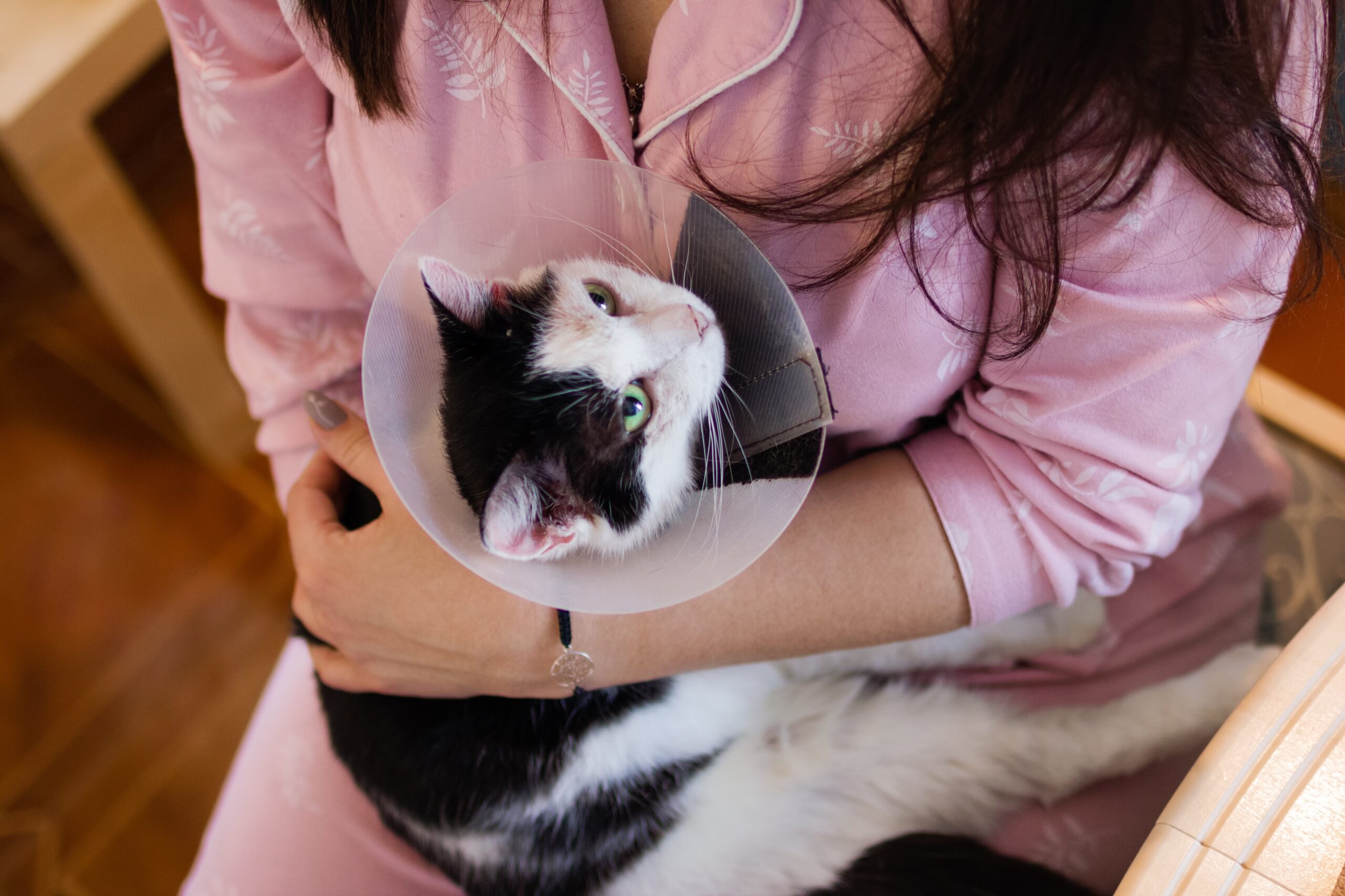
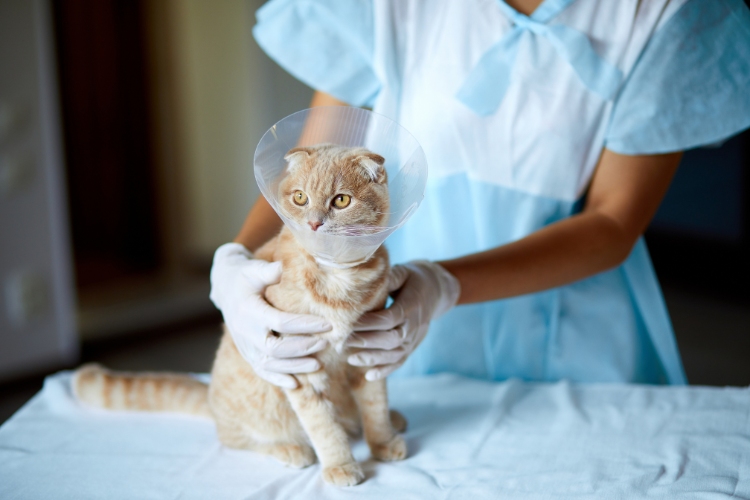
- Keep the Area Clean: If your cat is licking or scratching at the surgical site, you may need to use an Elizabethan collar (also known as an E-collar or “cone”) to prevent them from disturbing the wound. Keeping the area clean and dry will help minimize the risk of infection.
- Contact Your Vet If Necessary: If you notice anything concerning, such as excessive bleeding, swelling, or foul-smelling discharge, don’t hesitate to contact your veterinarian right away for guidance.
4. Monitor Your Cat’s Appetite and Drinking Habits
After surgery, your cat may have a reduced appetite or be hesitant to drink water. While this is normal immediately after surgery, it’s essential to monitor their eating and drinking habits to ensure they stay hydrated and nourished.
- Encourage Eating and Drinking: If your cat isn’t eating, try offering some of their favorite foods to tempt them. You can also offer a small amount of wet food, which can be easier for them to eat. If they are still reluctant to eat after 24 hours, contact your vet.
- Hydration is Key: Ensure your cat has easy access to fresh water at all times. Dehydration can prolong recovery and lead to further complications.
5. Gradually Reintroduce Activity
While rest is crucial for recovery, some gentle activity can help your cat regain strength once the initial healing phase has passed. However, it’s important to avoid any strenuous exercise or jumping, as this could disrupt the healing process.
- Short, Controlled Walks: If your cat is able, short, controlled walks can help stimulate circulation and prevent stiffness. Keep your cat on a leash or in a safe, confined space for the first few days to ensure they don’t overexert themselves.
- Limit Playtime: Avoid allowing your cat to engage in vigorous play or roughhousing during their recovery period. Gradually reintroduce toys or games once your vet gives the okay.
6. Watch for Signs of Complications
While most cats recover from surgery without any issues, it’s important to be vigilant and watch for any signs of complications. Some common signs that may indicate something is wrong include:
- Lethargy: If your cat seems excessively tired or unresponsive, it could be a sign of infection or other issues.
- Vomiting or Diarrhea: A change in your cat’s bowel movements or vomiting may indicate that they are reacting to their medications or are experiencing digestive issues.
- Changes in Behavior: Any significant changes in your cat’s behavior, such as hiding, becoming aggressive, or refusing to eat, should be addressed by your vet.
If you notice any of these signs, don’t hesitate to contact your veterinarian for further evaluation.
Supporting your cat through their recovery after surgery requires patience and careful attention. By following your veterinarian’s guidelines, creating a comfortable environment, monitoring their surgical site, and ensuring they are eating and drinking well, you can help your cat heal successfully. If you notice any signs of complications or have concerns during the recovery process, don’t hesitate to reach out. The team at Anclote Animal Hospital in Tarpon Springs, FL, is always here to provide guidance and support. If you have any questions or need assistance, feel free to contact us to book an appointment. Your cat’s well-being is our priority, and we’re here to ensure their full recovery.
FAQs
Q1. How long does it take for a cat to recover from surgery?
Ans. Recovery time can vary depending on the type of surgery, but most cats will take about 10-14 days to fully recover. Your vet will provide specific guidelines based on your cat’s procedure.
Q2. Can I give my cat their regular food after surgery?
Ans. Your vet may recommend a special diet for a few days post-surgery, but if your cat is eager to eat, you can offer them their regular food in small amounts. Ensure they are eating and drinking regularly.
Q3. How can I stop my cat from licking the surgical site?
Ans. If your cat is licking the surgical site, consider using an Elizabethan collar (E-collar) to prevent them from disturbing the incision and risking infection.
Q4. What should I do if my cat isn’t eating after surgery?
Ans. If your cat refuses food for more than 24 hours, contact your vet to rule out any complications. In the meantime, try offering soft or wet food to tempt them.
Q5. Is it okay for my cat to jump after surgery?
Ans. It’s important to restrict your cat’s activity in the first few days after surgery. Avoid allowing them to jump or engage in vigorous activity until they are fully healed.
Q6. How can I tell if my cat’s recovery is progressing normally?
Ans. If your cat is eating, drinking, and gradually becoming more active without signs of infection or pain, their recovery is likely progressing well. If you notice anything concerning, contact your vet immediately.

Fast, Friendly Help
For New, Sick & Injured Pets!