

Surgery can feel overwhelming for any pet owner, especially when your companion depends on you for every decision. Clear information and proper planning can make the process less stressful and easier to manage. Understanding how surgery works, what to expect, and how to care for your pet afterward helps you feel more confident during every step.
This guide is especially for pet owners in Tarpon Springs, FL, who want to understand surgical care for their pets better. Knowing what to expect before, during, and after surgery can help reduce worry and improve outcomes. Paying close attention to preparation and recovery often leads to a smoother healing process and better long-term health.
Why Surgery Can Be the Right Choice for Your Pet
Many health conditions in pets cannot be treated with medication alone. Surgery becomes necessary when issues like injuries, tumors, or internal problems need direct attention. While the idea of pet surgery may seem stressful, it often provides the best path toward relief and recovery.
Conditions such as broken bones, swallowed objects, or severe infections may require immediate action. Delaying care can lead to more serious complications that affect your pet’s quality of life. Early intervention helps prevent pain from getting worse and allows your pet to return to normal activities sooner.
Deciding on surgery is never easy, yet understanding its purpose helps you feel more prepared. With proper planning and care, surgery can improve both your pet’s comfort and longevity.
What Happens Before a Surgical Procedure
Preparation plays a key role in keeping your pet safe during surgery. Before any procedure, a veterinarian performs a full health check to understand your pet’s condition. Blood tests and physical exams help identify risks and guide the surgical plan.
You may be asked to follow specific instructions, such as limiting food and water before the procedure. These steps help reduce complications related to anesthesia. Clear communication with your veterinary team ensures that you understand each requirement and its importance.
Pre-surgical planning also gives you the chance to ask questions and share concerns. Being informed helps reduce stress and prepares you for what comes next.
Questions Every Pet Owner Should Ask Before Surgery
Having a clear understanding of the procedure can help you feel more at ease. Asking the right questions allows you to make informed decisions about your pet’s care.
- Details about the procedure
Understanding what the surgery involves helps you prepare mentally and logistically. - Risks and possible complications
Every surgery carries some risk, so knowing what could happen allows you to stay alert afterward. - Anesthesia and monitoring methods
Learning how your pet will be kept safe during the procedure can provide peace of mind. - Recovery timeline and care steps
Knowing how long healing takes helps you plan your schedule and provide proper care.
Discussing these questions to ask a vet before pet surgery ensures you are fully prepared. Open communication builds trust and helps you feel more confident about the decision.
How Safety Is Maintained During Surgery
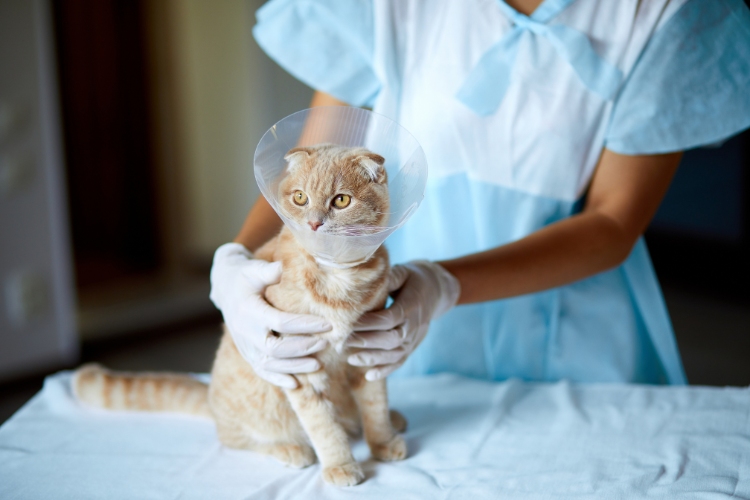
Safety is always a top priority during any veterinary surgery. Careful monitoring begins before the procedure and continues until your pet wakes up. Modern equipment helps track vital signs such as heart rate, breathing, and temperature.
A trained veterinarian and veterinary team remain present throughout the procedure to respond to any changes. Anesthesia is carefully measured based on your pet’s size, age, and health condition. Every step is taken to reduce risks and maintain stability during surgery.
Sterile techniques are also used to prevent infections. Clean instruments and controlled environments help create safer conditions for your pet. These measures work together to provide a smoother and safer surgical process.
Keeping Your Pet Comfortable During the Process
Comfort is just as important as safety when it comes to surgery. Pain management begins before the procedure and continues through recovery. Medications are used to reduce discomfort and help your pet remain calm.
Gentle handling by the veterinary team helps reduce stress before and after surgery. Pets are monitored closely as they wake up to ensure a smooth transition. Providing a quiet and warm space also helps your pet feel secure during recovery.
Understanding how comfort is managed can ease your concerns as a pet owner. Knowing your pet is cared for during every stage makes the experience less stressful for both of you.
What to Expect After Surgery
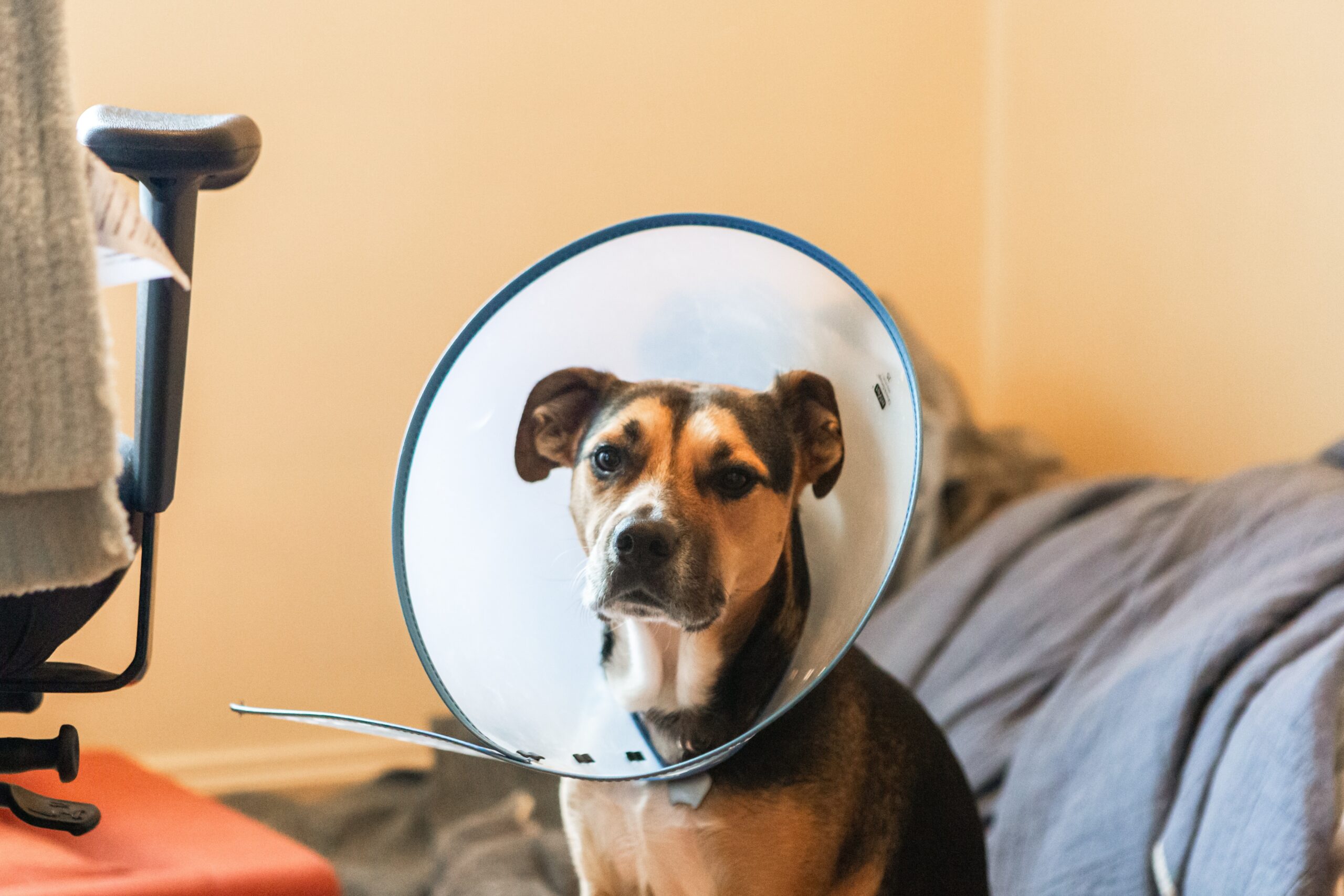
Recovery is a critical part of the healing process and requires careful attention. Once your pet returns home, you will need to follow specific instructions to help them heal properly. These guidelines may include medication schedules, activity limits, and wound care.
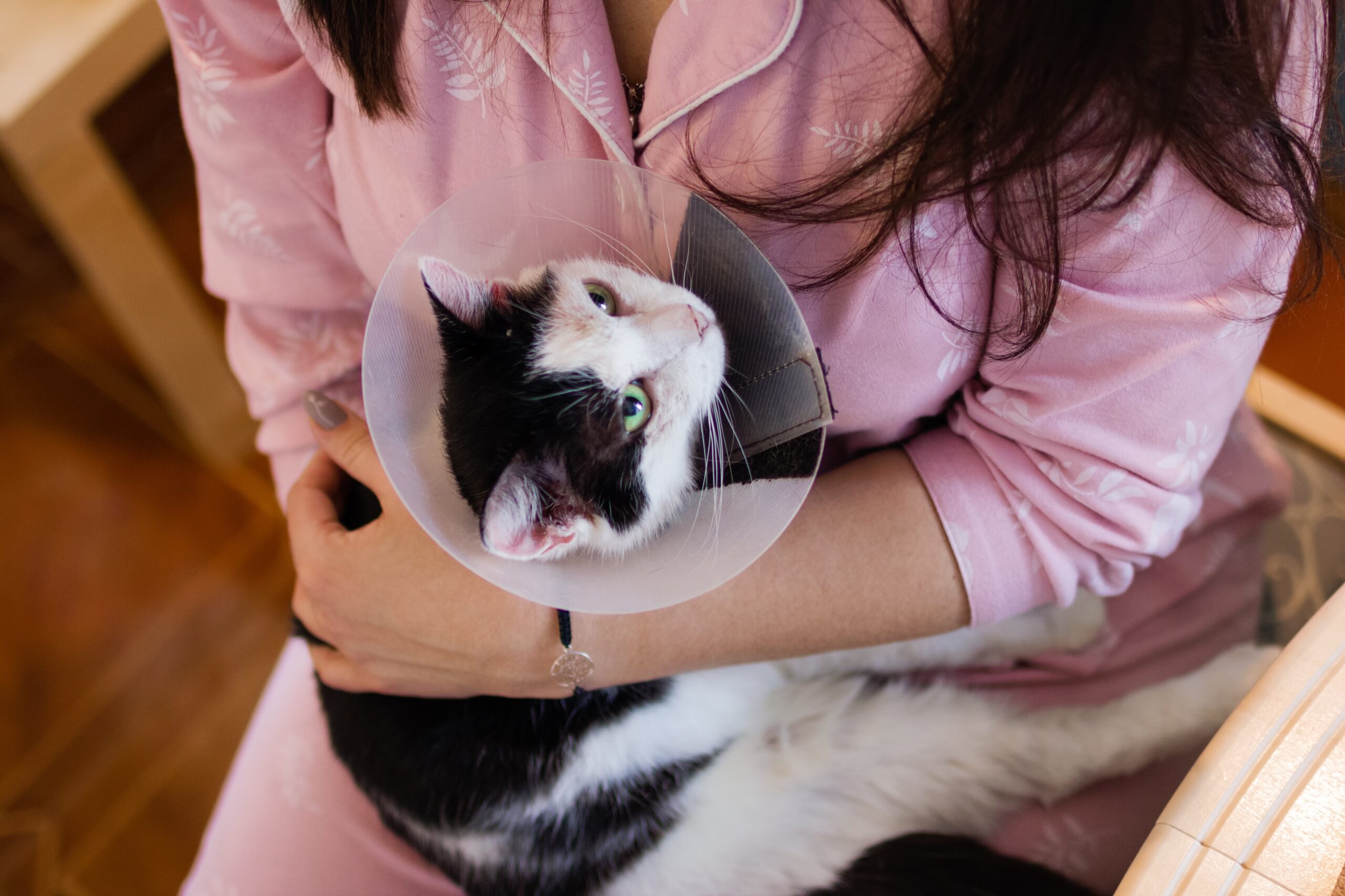
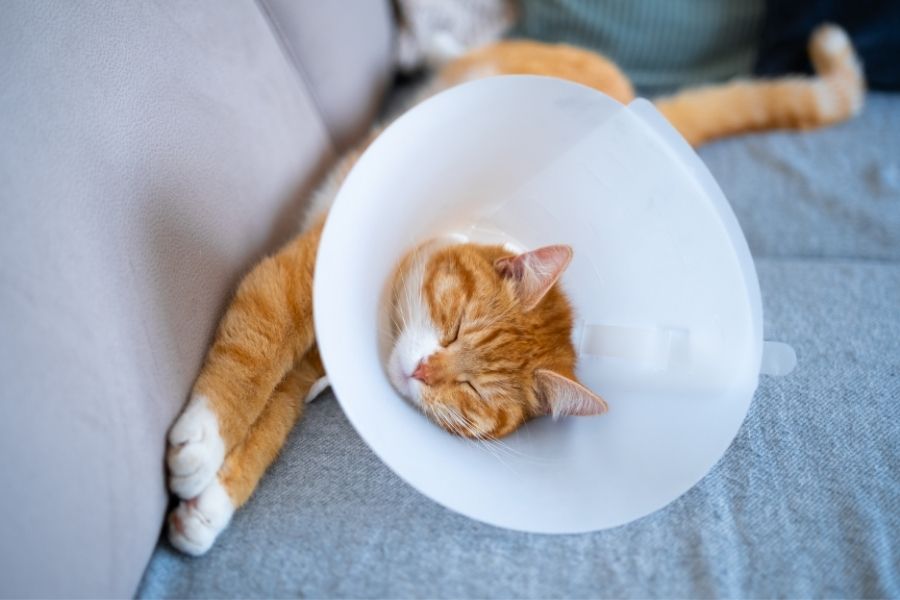
Pets may feel tired or slightly disoriented after anesthesia, which is normal. Providing a calm and quiet space allows them to rest comfortably. Watching for unusual signs, such as swelling or changes in behavior, helps you catch potential issues early.
Proper pet surgical care during this phase plays a major role in recovery. Following instructions closely helps prevent complications and supports faster healing.
Helping Your Pet Heal at Home
Caring for your pet after surgery requires patience and consistency. Creating a safe and comfortable environment helps your pet recover without added stress.
- Limit movement and physical activity
Restricting jumping or running prevents strain on the surgical site and supports healing. - Keep the incision area clean and dry.
Monitoring the wound helps prevent infection and allows you to notice changes quickly. - Administer medications as directed.
Giving medications on time helps manage pain and reduces the risk of complications. - Provide a quiet resting space.
A calm environment helps your pet relax and recover more comfortably.
Following these steps improves pet surgery recovery and reduces the chances of setbacks. Consistent care at home makes a noticeable difference in healing time.
Signs of a Smooth Recovery Versus Warning Signals
Understanding what is normal during recovery helps you respond appropriately. Mild swelling, slight tiredness, and reduced appetite are common during the first few days. These signs usually improve as your pet begins to heal.
However, certain symptoms may indicate a problem that needs attention. Persistent vomiting, excessive swelling, or unusual discharge from the incision should not be ignored. Changes in behavior, such as extreme lethargy or discomfort, may also signal complications.
Contacting a veterinarian promptly when concerns arise helps prevent minor issues from becoming serious. Early action ensures your pet stays on track for recovery.
Long-Term Benefits of Timely Surgical Care
Surgery often provides lasting improvements in your pet’s health and quality of life. Addressing medical issues early can prevent chronic pain and reduce the risk of future complications. Many pets return to normal activities with improved comfort after recovery.
Timely care also helps avoid emergencies that may require more complex procedures. Planning and acting early lead to better outcomes and reduce stress for both pets and owners. Maintaining regular checkups helps monitor progress and detect any new concerns. Investing in proper care today supports your pet’s well-being for years to come.
A Healthier Future Starts With the Right Care
Choosing surgery for your pet can feel like a big step, yet it often leads to better health and comfort. Anclote Animal Hospital provides veterinary surgery services designed to address a wide range of conditions while focusing on your pet’s safety and well-being. Careful planning, attentive monitoring, and clear communication help create a smoother experience from start to finish.
If you are in Tarpon Springs and looking for trusted pet care, book an appointment at Anclote Animal Hospital today. Our team will help to discuss your pet’s needs and learn how their veterinary team can guide you through the process with clarity and care.
Frequently Asked Questions
1. How do I know if my pet needs surgery?
A veterinarian will recommend surgery after evaluating your pet’s condition and determining the best treatment option.
2. Is anesthesia safe for pets?
Modern anesthesia methods are carefully monitored to reduce risks and keep your pet stable during surgery.
3. How long does recovery usually take?
Recovery time depends on the procedure, but many pets begin improving within a few days to a few weeks.
4. Can I stay with my pet during surgery?
Pets are usually cared for by the veterinary team during the procedure to ensure safety and proper monitoring.
5. What should I do if my pet seems uncomfortable after surgery?
Contact your veterinarian if discomfort continues or worsens, as adjustments may be needed for proper care.

Fast, Friendly Help
For New, Sick & Injured Pets!