



Pets depend on us to recognize when something is wrong, but discomfort is often difficult to detect. Many animals instinctively hide signs of pain, making it challenging for pet owners to identify problems before they begin affecting daily life. This is why early pain management plays such an important role in veterinary care. Addressing discomfort at the first signs of a problem can help pets remain active, comfortable, and engaged in the activities they enjoy.
Whether a pet is recovering from an injury, coping with a chronic condition, or experiencing age-related changes, managing pain early can have a significant impact on their overall health and well-being. By taking a proactive approach, pet owners and veterinary professionals can work together to support a higher quality of life for pets at every stage.
Understanding Pain in Pets
Pain is the body’s natural response to injury, illness, or physical stress. While some discomfort is obvious, many pets experience ongoing pain that develops gradually and remains unnoticed for weeks or even months.
Unlike people, pets cannot explain what they are feeling. Instead, they may communicate discomfort through subtle changes in behavior, movement, or daily habits.
Common signs of pain may include:
- Reduced activity levels
- Difficulty standing or walking
- Changes in appetite
- Increased sleeping
- Reluctance to jump or climb
- Irritability or withdrawal
- Excessive licking of a specific area
Recognizing these signs early is the first step toward helping your pet feel more comfortable.
Why Early Pain Management Matters
Many pet owners assume mild discomfort will resolve on its own. However, untreated pain can affect both physical and emotional health.
Benefits of addressing discomfort early include:
- Improved mobility
- Better participation in daily activities
- Reduced stress
- Enhanced recovery from illness or injury
- Improved appetite and sleep quality
- Greater overall comfort
The sooner pain is identified and addressed, the better the chances of preventing it from interfering with your pet’s normal lifestyle.
How Pain Affects Quality of Life
Pain can influence nearly every aspect of a pet’s routine.
Reduced Physical Activity
Discomfort often causes pets to avoid movement. Over time, inactivity can contribute to muscle weakness, joint stiffness, and decreased flexibility.
Changes in Behavior
Pets experiencing pain may become less social, less playful, or more withdrawn than usual. Some animals may also become irritable when touched in sensitive areas.
Difficulty Enjoying Everyday Activities
Simple activities such as walking, climbing stairs, jumping onto furniture, or playing with family members may become challenging.
These changes can significantly impact a pet’s overall happiness and quality of life.
Conditions That Benefit From Early Intervention
Several health concerns can lead to pain that benefits from early evaluation and treatment.
Examples include:
- Arthritis and joint disease
- Soft tissue injuries
- Orthopedic conditions
- Dental issues
- Post-surgical recovery
- Age-related mobility changes
- Certain chronic illnesses
Early intervention often allows veterinary teams to create treatment plans before discomfort becomes more severe.
The Role of Veterinary Evaluation
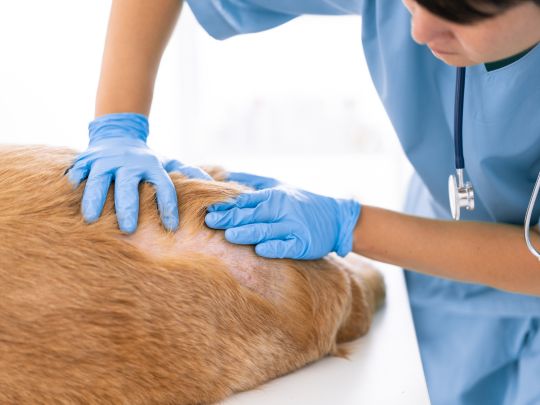
A thorough veterinary examination helps identify the source of pain and determine the most appropriate treatment options.
Veterinarians may evaluate:
- Mobility and gait
- Joint flexibility
- Muscle condition
- Behavioral changes
- Overall physical health
Understanding the underlying cause allows for a personalized care plan designed to meet your pet’s specific needs.
Early Pain Management and Long-Term Health
One of the greatest advantages of early pain management is its ability to support long-term wellness.
When discomfort is addressed promptly, pets may experience:
- Better mobility over time
- Improved muscle strength
- Greater independence
- Increased participation in family activities
- Enhanced emotional well-being
Taking action early can help prevent secondary complications associated with chronic discomfort and inactivity.
Beyond Medication: A Comprehensive Approach
Pain management often involves more than a single treatment strategy. Veterinary professionals may recommend a combination of approaches based on the pet’s condition and lifestyle.
These may include:
Physical Rehabilitation
Therapeutic exercises can help improve strength, flexibility, and mobility.
Weight Management
Maintaining a healthy weight reduces stress on joints and supports comfortable movement.
Environmental Adjustments
Simple modifications such as orthopedic bedding, non-slip surfaces, and easier access to food and water can make daily life more comfortable.
Activity Modifications
Adjusting exercise routines helps pets remain active while avoiding unnecessary strain.
A comprehensive approach often produces the most successful outcomes.
What Pet Owners Should Watch For
Because pain can develop gradually, monitoring subtle changes is important.
Pay attention to:
- Changes in movement
- Reduced interest in play
- Difficulty rising after rest
- Changes in sleeping patterns
- Altered social behavior
- Grooming changes
Even small differences can provide valuable information about your pet’s comfort level.
Supporting a Comfortable Future
Every pet deserves to live as comfortably as possible. By recognizing discomfort early and seeking professional guidance, pet owners can help their companions maintain mobility, independence, and enjoyment of everyday life.
If you are from Tarpon Springs and looking for information about early pain management, partnering with a trusted veterinary team can help ensure your pet receives personalized care that supports both short-term comfort and long-term wellness.
Schedule an Online Appointment Today
If you’ve noticed changes in your pet’s activity level, behavior, or mobility, schedule an online appointment with Anclote Animal Hospital today. Our compassionate team is committed to providing personalized pain management solutions designed to improve your pet’s comfort, mobility, and overall quality of life.
Frequently Asked Questions
Q1. Why is early pain management important for pets?
Addressing discomfort early can help prevent pain from affecting mobility, behavior, and daily activities. Early intervention often allows pets to remain active and comfortable while supporting long-term health and wellness.
Q2. How can I tell if my pet is experiencing pain?
Signs may include reduced activity, difficulty moving, changes in appetite, increased sleeping, behavioral changes, or reluctance to participate in normal activities. A veterinary evaluation can help identify the cause.
Q3. Can pain affect a pet’s emotional well-being?
Yes. Ongoing discomfort may contribute to stress, irritability, withdrawal, and reduced interest in social interactions. Improving comfort can positively impact both physical and emotional health.
Q4. Are older pets more likely to benefit from pain management?
Many senior pets experience age-related conditions that may cause discomfort. Proper pain management can help maintain mobility, independence, and quality of life as pets grow older.
Q5. Does pain management always involve medication?
Not necessarily. Treatment plans may include physical rehabilitation, weight management, environmental modifications, activity adjustments, and other supportive therapies depending on the pet’s individual needs.


Fast, Friendly Help
For New, Sick & Injured Pets!