



A healthy weight is an important part of your pet’s overall health. Just like people, dogs and cats can experience health concerns when they carry too much or too little weight. What many pet owners may not realize is that weight can also influence how a veterinarian approaches routine health monitoring and preventive care.
A pet’s age, breed, activity level, lifestyle, medical history, and body condition all provide useful information when creating a personalized care plan. Weight is another important piece of that picture. Regular weight checks can help identify gradual changes before they become more noticeable and can help your veterinarian adjust recommendations as your pet’s needs change.
For families looking for reliable pet wellness care in Tarpon Springs, understanding the connection between weight and preventive health can make routine veterinary visits even more valuable.
Why Your Pet’s Weight Matters
Your pet’s weight is more than a number on a scale. It can provide clues about nutrition, activity, metabolism, and overall health. A healthy weight can support normal movement, healthy body function, and an active lifestyle.
When a pet gains or loses weight over time, the change may be related to something as simple as a change in diet or exercise. However, unexplained weight changes can sometimes be associated with underlying health concerns. Tracking weight during routine veterinary visits gives your veterinarian an opportunity to notice trends and determine whether further evaluation is appropriate.
Weight should also be considered alongside body condition. Two pets can weigh the same amount while having very different body shapes and muscle conditions. This is why veterinarians often evaluate body condition in addition to looking at the number on the scale.
How Weight Influences Pet Preventive Care
Pet preventive care is designed around the individual needs of each animal. A veterinarian considers multiple factors when recommending wellness services, routine examinations, diagnostic monitoring, nutrition guidance, and lifestyle changes.
Weight can influence these recommendations in several ways.
For example, a pet carrying excess weight may benefit from a structured nutrition and activity plan. The veterinarian may recommend monitoring weight more frequently and evaluating progress during future wellness appointments. A pet with a low body weight may require a different approach, including dietary assessment and closer observation of changes in appetite, digestion, or activity.
By keeping track of your pet’s weight, your veterinary team can make preventive care more personalized rather than relying on a general plan for every animal.
Weight Management Can Support Long Term Health
Maintaining a healthy weight can help support your pet’s quality of life as they age. Excess body weight can place additional stress on joints and may make physical activity more difficult. Over time, reduced activity can contribute to additional weight gain, creating a cycle that can be challenging to break.
A thoughtful weight management plan can help your pet maintain appropriate activity levels while receiving the nutrition they need. Your veterinarian can consider your pet’s age, breed, current body condition, daily routine, food intake, and activity level when developing recommendations.
Weight management is not necessarily about making dramatic changes. In many cases, small adjustments to portions, treats, exercise, and daily routines can make a meaningful difference when consistently followed.
Why Regular Weight Checks Are Useful
Pets do not always show obvious signs when their weight is changing. A few extra pounds may develop gradually, making it difficult for an owner to recognize the difference.
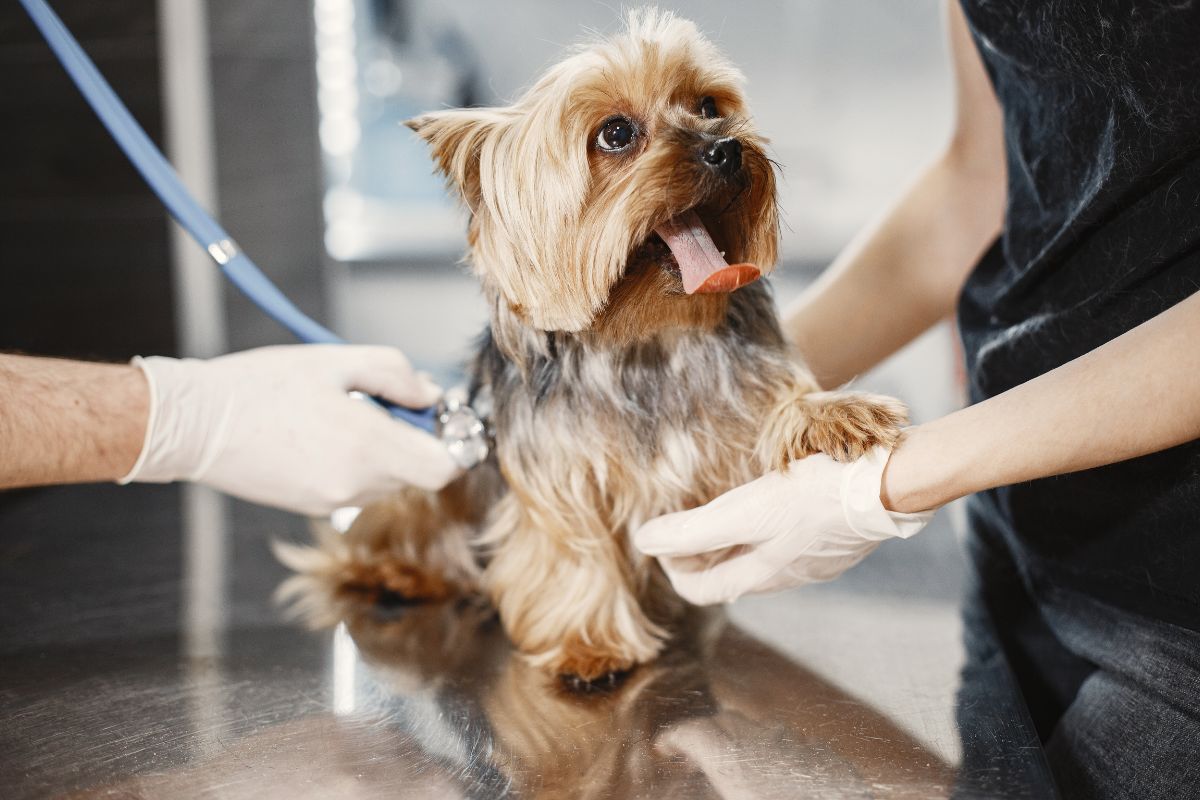
Regular veterinary visits provide an opportunity to monitor these changes. When weight is recorded over multiple appointments, your veterinarian can compare measurements and identify trends.
For example, a gradual increase may indicate that your pet is receiving more calories than they are using. A steady decline may prompt questions about appetite, nutrition, dental health, digestion, or other aspects of your pet’s well being.
This ongoing monitoring is one reason routine appointments are an important part of pet wellness care.
Puppies, Kittens, Adults, and Senior Pets Have Different Needs
Weight recommendations can change throughout your pet’s life. Young puppies and kittens are growing rapidly, so their nutritional and developmental needs differ from those of adult animals. Their weight may naturally change as they grow, but consistent monitoring can help ensure development is progressing appropriately.
Adult pets generally need a balance between food intake and physical activity that supports a healthy body condition. Lifestyle can make a significant difference. A highly active dog may have different nutritional needs than a dog that spends most of the day indoors.
Senior pets may also require closer attention to weight and body condition. Changes in muscle mass, activity, appetite, or metabolism can affect their overall condition. A senior pet that suddenly gains or loses weight may need a veterinary assessment to determine what could be contributing to the change.
Diet and Treats Are Part of the Conversation
Nutrition plays an important role in weight management. Pet owners may carefully measure meals but overlook calories from treats, table food, dental chews, or other extras.
During a wellness visit, your veterinarian can discuss your pet’s current diet and feeding routine. This conversation can help identify opportunities to adjust portions or make other changes based on your pet’s individual needs.
It is also important to avoid making major dietary changes without appropriate guidance. Every pet has different nutritional requirements, and a diet that works well for one animal may not be suitable for another.
Exercise Should Match Your Pet’s Needs
Physical activity is another important component of healthy weight management. However, exercise recommendations should be appropriate for your pet’s age, physical condition, breed characteristics, and overall health.
For some dogs, daily walks and interactive play may provide useful activity. Cats may benefit from short periods of play throughout the day using appropriate toys and enrichment activities.
If your pet is currently overweight or has limited mobility, your veterinarian can help you determine how to introduce activity gradually. The goal is to encourage healthy movement without placing unnecessary strain on your pet.
Weight Changes Can Help Guide Veterinary Monitoring
A change in weight does not automatically mean that your pet has a health problem. Still, unexplained changes deserve attention, particularly when they occur alongside changes in appetite, thirst, energy, digestion, or behavior.
Your veterinarian may use your pet’s weight history as part of a broader health assessment. Depending on the findings, additional monitoring or diagnostic testing may be recommended.
This approach demonstrates why pet preventive care is most effective when it is individualized. Instead of focusing on one measurement, your veterinary team can consider the complete picture of your pet’s health.
Supporting Your Pet’s Health in Tarpon Springs
Pet owners in Tarpon Springs can take an active role in their pets’ long term wellness by monitoring body condition at home and keeping up with routine veterinary appointments. Regular checkups give you an opportunity to discuss nutrition, activity, weight changes, behavior, and other health concerns with your veterinary team.
At Anclote Animal Hospital, your pet’s individual needs can help guide the approach to ongoing wellness. Keeping an accurate record of weight changes, eating habits, activity, and other observations can also make veterinary visits more informative.
Healthy weight management is not about achieving a particular number at any cost. It is about helping your pet maintain an appropriate body condition and supporting their health through every stage of life.
Schedule Your Pet’s Wellness Appointment
If you have noticed a change in your pet’s weight or simply want to stay proactive about their ongoing health, consider scheduling a wellness appointment with Anclote Animal Hospital in Tarpon Springs. An online appointment or booking option can make it easier to arrange a convenient visit and discuss your pet’s weight, nutrition, activity, and overall preventive care needs.
Regular monitoring can help you and your veterinarian make informed decisions as your pet grows and changes.
FAQ or Frequently Asked Questions
Q1. How often should my pet’s weight be checked?
Ans: Your veterinarian can recommend an appropriate schedule based on your pet’s age, health, lifestyle, and current body condition. Weight can also be checked during routine wellness appointments.
Q2. Is my pet’s weight enough to determine whether they are healthy?
Ans: No. Weight is only one part of a complete health assessment. Body condition, muscle mass, diet, activity, age, breed, and medical history should also be considered.
Q3. What should I do if my pet suddenly gains or loses weight?
Ans: Contact your veterinarian and discuss the change. Unexplained weight changes can have many possible causes, and your veterinarian can determine whether additional evaluation is appropriate.
Q4. Can treats affect my pet’s weight?
Ans: Yes. Treats and other foods can contribute additional calories to your pet’s daily intake. Your veterinarian can help you determine an appropriate feeding and treat routine based on your pet’s individual needs.
Q5. Can an overweight pet start exercising more right away?
Ans: Exercise should be appropriate for your pet’s current condition. If your pet is overweight or has limited mobility, speak with your veterinarian before making significant changes to their activity routine.


Fast, Friendly Help
For New, Sick & Injured Pets!