


Our pets rely on us to protect their health, but many illnesses develop quietly before obvious symptoms appear. By the time visible signs become noticeable, a condition may already be affecting your pet’s comfort and well-being. This is why advanced diagnostic testing has become an important part of modern veterinary medicine. These tools allow veterinarians to identify health concerns earlier, monitor ongoing conditions, and create treatment plans based on accurate information.
Early detection can make a significant difference in managing disease progression and supporting long-term health. Whether your pet appears healthy or has recently shown unusual symptoms, diagnostic testing provides valuable insights that help veterinary teams make informed decisions about care.
Why Early Detection Matters
Many health conditions begin with subtle internal changes that cannot be seen during a routine observation at home. Pets often continue eating, playing, and behaving normally even when an underlying problem is developing.
Early detection offers several advantages:
- Identifies health concerns before symptoms worsen
- Helps guide treatment recommendations
- Supports better long-term health outcomes
- Allows ongoing monitoring of chronic conditions
- Provides valuable baseline health information
Finding a problem sooner often gives pet owners and veterinarians more opportunities to manage it effectively.
What Is Advanced Diagnostic Testing?
Advanced diagnostic testing refers to specialized tools and procedures used to evaluate a pet’s internal health. These tests help veterinarians gather detailed information about organs, tissues, body systems, and overall wellness.
Common diagnostic services may include:
- Blood testing
- Urinalysis
- Digital imaging
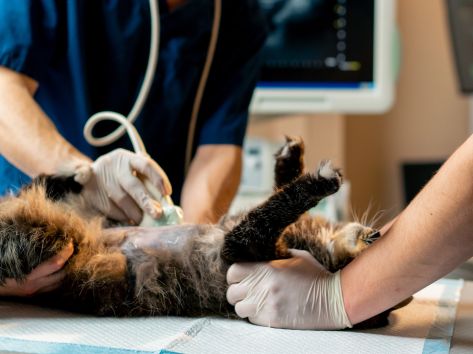
- Ultrasound examinations
- Laboratory screenings
- Cardiac evaluations
- Diagnostic monitoring
Each test serves a specific purpose and helps build a clearer picture of your pet’s health status.
Conditions That Diagnostic Testing Can Help Identify
Many illnesses can develop gradually without obvious warning signs. Diagnostic testing helps uncover potential concerns before they become more serious.
Some examples include:
Kidney Disease
Changes in kidney function may occur long before physical symptoms become noticeable.
Heart Conditions
Diagnostic evaluations can help detect cardiovascular abnormalities and monitor heart health.
Liver Disorders
Laboratory testing may reveal changes in liver function that require further evaluation.
Hormonal Imbalances
Conditions affecting hormone production often require diagnostic testing for accurate diagnosis.
Internal Inflammation
Various illnesses may trigger inflammation that can only be identified through laboratory and imaging studies.
Early identification helps veterinary teams develop appropriate treatment and monitoring plans.
How Advanced Diagnostic Testing Supports Preventive Care
Preventive care focuses on maintaining health and identifying concerns before they significantly affect a pet’s quality of life.
Routine testing can help:
- Establish baseline health measurements
- Monitor age-related changes
- Track chronic conditions
- Evaluate organ function
- Detect abnormalities before symptoms appear
For many pets, regular screenings become increasingly important as they grow older.
Common Signs That May Warrant Diagnostic Evaluation
While some conditions are discovered during routine wellness visits, certain symptoms may indicate the need for further testing.
These may include:
- Changes in appetite
- Increased thirst
- Weight loss
- Reduced energy levels
- Changes in bathroom habits
- Breathing changes
- Mobility concerns
Diagnostic testing helps determine the cause of these symptoms and guides future care recommendations.
The Role of Diagnostic Imaging
Imaging technology provides veterinarians with a non-invasive way to examine structures inside the body.
Common imaging tools include:
Digital Radiography
Digital X-rays allow veterinarians to evaluate bones, joints, organs, and other internal structures.
Ultrasound
Ultrasound technology creates detailed images of soft tissues and internal organs, helping identify abnormalities that may not be visible through other methods.
These imaging tools often complement laboratory testing to provide a more complete assessment.
Monitoring Chronic Health Conditions
Diagnostic testing is not only useful for identifying disease. It also plays an important role in managing ongoing medical conditions.
Regular monitoring may help:
- Assess treatment effectiveness
- Track disease progression
- Detect complications
- Support treatment adjustments
- Improve long-term management strategies
Consistent monitoring allows veterinary teams to make informed decisions as a pet’s needs change over time.
Why Accurate Diagnosis Leads to Better Care
Treating symptoms without understanding their cause can be challenging. Diagnostic testing provides the information needed to create targeted care plans.
Benefits of accurate diagnosis include:
- More personalized treatment recommendations
- Improved monitoring strategies
- Better understanding of disease progression
- Increased confidence in clinical decision-making
Having clear information helps veterinarians and pet owners work together more effectively.
Advanced Diagnostic Testing and Senior Pets
As pets age, their risk of developing certain health conditions naturally increases. Regular diagnostic evaluations become especially valuable during the senior years.
Routine testing may help identify:
- Organ function changes
- Metabolic disorders
- Age-related diseases
- Cardiovascular concerns
- Mobility-related conditions
Monitoring these changes helps support healthier aging and improved quality of life.
Investing in Your Pet’s Future Health
Many serious illnesses begin long before obvious symptoms appear. Advanced diagnostic tools give veterinary professionals the ability to identify concerns earlier, monitor health more effectively, and provide personalized recommendations based on reliable information.
If you are from Tarpon Springs and looking for information about advanced diagnostic testing, partnering with an experienced veterinary team can help ensure your pet receives proactive care designed to support lifelong health and wellness.
Schedule an Online Appointment Today
Protect your pet’s health through proactive screening and early detection. Schedule an online appointment with Anclote Animal Hospital today to learn more about our diagnostic services and how personalized testing can support your pet’s long-term well-being.
Frequently Asked Questions
Q1. What is advanced diagnostic testing for pets?
Advanced diagnostic testing includes laboratory work, imaging studies, and other specialized evaluations that help veterinarians assess internal health, identify diseases, and monitor ongoing medical conditions more accurately.
Q2. How often should my pet undergo diagnostic testing?
The recommended frequency depends on factors such as age, medical history, lifestyle, and overall health. Veterinarians often recommend routine testing as part of preventive wellness care, especially for senior pets.
Q3. Can diagnostic testing detect diseases before symptoms appear?
Yes. Many conditions can be identified through laboratory screenings and imaging studies before visible symptoms develop, allowing earlier intervention and more effective health management.
Q4. Is diagnostic testing only necessary when a pet is sick?
No. Diagnostic evaluations are also valuable for healthy pets because they establish baseline health information and help identify subtle changes that may not be noticeable during physical examinations alone.
Q5. Why are diagnostic imaging tools important?
Imaging technologies such as digital radiography and ultrasound allow veterinarians to evaluate internal structures without invasive procedures, helping identify abnormalities and support accurate diagnoses.


Fast, Friendly Help
For New, Sick & Injured Pets!