

If your veterinarian has recommended a diagnostic exam for your pet, it’s natural to have questions. What exactly will happen? How long will it take? Will your pet be uncomfortable? Understanding what goes into a veterinary diagnostic exam can help ease any anxiety and ensure you arrive prepared. At Anclote Animal Hospital, we believe informed pet owners are empowered pet owners — and that starts with knowing what to expect every step of the way.
What Is a Veterinary Diagnostic Exam?
A diagnostic exam goes a step beyond a routine wellness visit. While a standard checkup focuses on overall health maintenance, a diagnostic exam is typically recommended when your pet is showing signs of illness, has an ongoing condition that needs monitoring, or requires a deeper investigation of something flagged during a routine visit.
The goal of a diagnostic exam is to gather enough information — through physical assessment, laboratory testing, and imaging — to identify what’s going on inside your pet’s body and determine the most effective course of treatment. Think of it as your veterinarian’s toolkit for finding answers when something isn’t quite right.
Before the Appointment: How to Prepare
A little preparation before your pet’s diagnostic exam can make a meaningful difference in the quality of information your veterinarian receives.
Observe and document changes at home. In the days leading up to the appointment, pay close attention to your pet’s behavior, appetite, water intake, energy levels, and bathroom habits. Even small shifts — eating a little less, drinking more water, sleeping longer than usual — can provide valuable diagnostic clues. Write these observations down so you don’t forget them during the visit.
Follow any fasting instructions. Depending on the type of diagnostic exam planned, your veterinarian may ask that your pet not eat for a certain number of hours beforehand. This is especially common if bloodwork, abdominal ultrasound, or anesthesia is involved. Always follow these instructions carefully, as they directly affect the accuracy of test results and the safety of the procedure.
Bring a fresh urine or stool sample if requested. For certain diagnostics, your veterinary team may ask you to collect a sample from home. They’ll provide guidance on how to collect and store it properly.
The Physical Examination
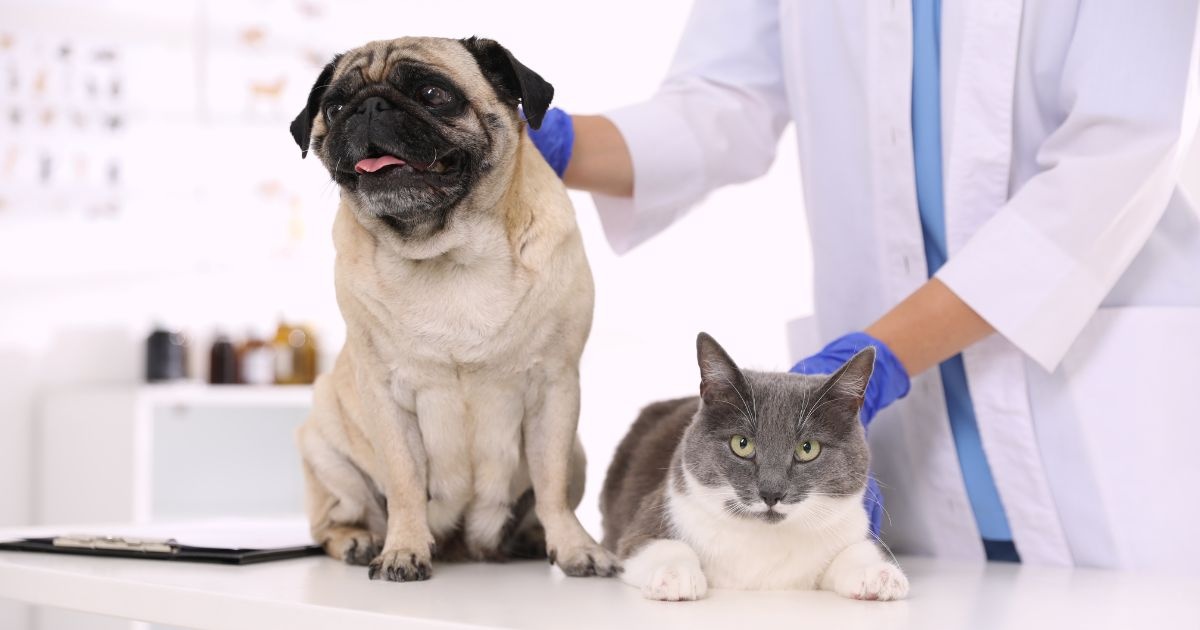
Every diagnostic exam begins with a thorough hands-on physical assessment. Your veterinarian will systematically evaluate your pet from nose to tail, looking for anything that might point toward the source of the problem.
This includes checking the eyes, ears, nose, and mouth; assessing the lymph nodes for swelling; listening to the heart and lungs with a stethoscope; palpating the abdomen to feel for organ size, masses, or areas of tenderness; and evaluating the skin, coat, and musculoskeletal system. Your vet will also take note of your pet’s weight, temperature, heart rate, and respiratory rate.
This physical exam is the foundation of the diagnostic process. Many findings — an irregular heartbeat, a subtle abdominal mass, or mild joint tenderness — are discovered at this stage and help direct which additional tests are most appropriate.
Laboratory Testing: Blood Work, Urinalysis, and More
Once the physical exam is complete, your veterinarian will likely recommend laboratory testing as part of the diagnostic exam. Blood work is one of the most informative tools available — a complete blood count (CBC) and chemistry panel can reveal a wide range of conditions, including anemia, infection, organ dysfunction, diabetes, thyroid disease, and more.
Urinalysis provides insight into kidney function, hydration status, and the presence of infection, crystals, or other abnormalities in the urinary tract. Depending on your pet’s symptoms, additional tests such as fecal parasite screening, cultures, or hormone panels may also be recommended.
Most routine lab work can be processed quickly, and your veterinarian will walk you through the results and what they mean for your pet’s health. At Anclote Animal Hospital in Tarpon Springs, we use in-house diagnostics to provide fast, accurate results so you’re never left waiting longer than necessary for answers.
Imaging: X-Rays, Ultrasound, and Beyond
When laboratory results alone don’t tell the full story, imaging gives your veterinary team a look inside your pet’s body that no physical exam can provide. X-rays are commonly used to evaluate the chest and abdomen, assess bone density and joint health, and detect abnormalities such as fluid accumulation, foreign bodies, or masses.
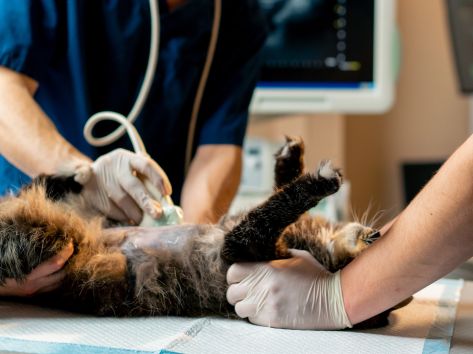
Ultrasound imaging offers a more detailed, real-time view of soft tissue structures — particularly useful for evaluating the heart, liver, kidneys, spleen, bladder, and reproductive organs. Unlike X-rays, ultrasound captures movement, making it especially valuable for assessing heart function or identifying subtle changes in organ texture that might indicate disease.
In some cases, additional imaging such as CT scans or referral to a specialist may be recommended. Your veterinarian will always explain why a particular imaging study is being suggested and what they hope to learn from it.
What Happens After the Diagnostic Exam
Once your veterinarian has gathered all the relevant information from the physical exam, lab work, and imaging, they’ll sit down with you to discuss the findings. This is one of the most important parts of the process — a clear, honest conversation about what was found, what it means, and what comes next.
Depending on the results, next steps might include starting a medication or treatment protocol, scheduling a follow-up visit to monitor progress, adjusting your pet’s diet or lifestyle, or referring to a specialist for more advanced care. In some cases, the diagnostic exam may confirm that everything looks normal — which is equally valuable information.
Don’t hesitate to ask questions during this conversation. Your veterinarian wants you to leave with a clear understanding of your pet’s condition and the confidence to move forward with the recommended plan.
Conclusion: Knowledge Is the First Step Toward Healing
A diagnostic exam can feel daunting — but it’s ultimately an act of advocacy for your pet. The more information your veterinary team has, the better equipped they are to provide targeted, effective care. Whether the exam reveals something that needs immediate attention or simply rules out a concern, the knowledge gained is always worth it.
At Anclote Animal Hospital, our team is committed to making every diagnostic exam as thorough, efficient, and stress-free as possible — for both you and your pet. If your dog or cat has been showing signs that something isn’t quite right, don’t wait for the situation to worsen. Schedule your pet’s diagnostic exam today.
Frequently Asked Questions
Q1. What is the difference between a wellness exam and a diagnostic exam?
A wellness exam is a routine preventive visit focused on overall health maintenance, vaccinations, and early detection. A diagnostic exam is more targeted — it’s conducted when a specific health concern needs to be investigated through lab work, imaging, or other advanced testing.
Q2. How long does a diagnostic exam typically take?
The length varies depending on what’s being evaluated. A standard exam with in-house lab work and X-rays may take one to two hours. More complex cases involving ultrasound or specialist consultations may require additional time. Your veterinary team will give you a time estimate when you schedule.
Q3. Will my pet be in pain during the diagnostic exam?
Most diagnostic procedures are minimally uncomfortable. Blood draws and physical exams are generally well-tolerated. For imaging or more involved procedures, your veterinarian may recommend mild sedation to keep your pet calm and ensure accurate results.
Q4. Do I need to fast my pet before a diagnostic exam?
It depends on the type of testing involved. Fasting is typically required before abdominal ultrasound and bloodwork for the most accurate results. Your veterinary team will provide specific instructions when you book the appointment.
Q5. What should I bring to my pet’s diagnostic exam?
Bring any previous medical records, a list of current medications or supplements, and notes about the symptoms or changes you’ve observed at home. If requested, bring a fresh urine or stool sample. The more information you can share, the more efficient and accurate the diagnostic process will be.

Fast, Friendly Help
For New, Sick & Injured Pets!