

When it comes to caring for our pets, we often think about daily routines like feeding, exercise, and grooming. But what about their long-term health? Ensuring that your pet remains healthy for years to come requires more than just regular walks and nutritious meals. Regular veterinary visits are vital for maintaining their overall health, catching potential issues before they become serious, and ensuring your furry friend thrives well into old age.
This blog is especially for people with pets in Tarpon Springs, FL, and provides insight into why veterinarians play such an essential role in your pet’s long-term health and well-being. This guide will dive deep into why consistent veterinary care is not just a luxury but a necessity. From preventative care to emotional support, we’ll explore how veterinary visits can help your pet lead a longer, happier life.
Read on to discover how you can improve your pet’s health for the long term and what steps you can take to keep them feeling their best every day.
The Need for Regular Veterinary Visits for Your Pet’s Health
Veterinary visits go beyond checking for simple problems like fleas or ticks. They are a crucial component of your pet’s health care routine. Pets, like humans, are prone to a range of health issues that can be difficult to spot early without a vet’s help. From heart disease to joint problems, early intervention can prevent many serious conditions from affecting your pet’s quality of life.
The earlier a veterinarian can identify a potential issue, the better the treatment options will be, which is why routine checkups are so important. They allow your veterinarian to detect any signs of illness that might not be immediately obvious. Whether it’s a minor issue or a serious health concern, addressing it promptly will give your pet the best chance at a long, healthy life.
How Regular Vet Checkups Help Your Pet’s Health
Early Detection of Health Problems
Regular vet visits help catch problems early, such as infections, dental disease, and even cancer. Many of these issues can be easily managed if treated early, but they can be life-threatening if left unchecked.
Preventative Care and Vaccinations
Vaccinations are among the most important aspects of preventative care. They help protect pets from common diseases such as rabies, parvovirus, and feline leukemia. Regular vet checkups ensure that your pet is up to date on their shots and prevent outbreaks of serious illnesses.
Nutritional Guidance
A veterinarian can provide tailored nutritional advice based on your pet’s specific needs. From puppyhood to senior years, your pet’s nutritional requirements change, and regular vet visits ensure that they receive the proper diet to maintain optimal health.
Parasite Control
Fleas, ticks, and worms are not just a nuisance. They can lead to serious health complications like skin infections, Lyme disease, and heartworm disease. Regular vet visits ensure that your pet is treated for parasites and that preventative measures are in place.
What’s Included in a Typical Veterinary Checkup?
Veterinary checkups are more than just a glance at your pet’s general condition. They are a comprehensive review of your pet’s health. Here’s what you can expect during your pet’s annual checkup:
Physical Examination
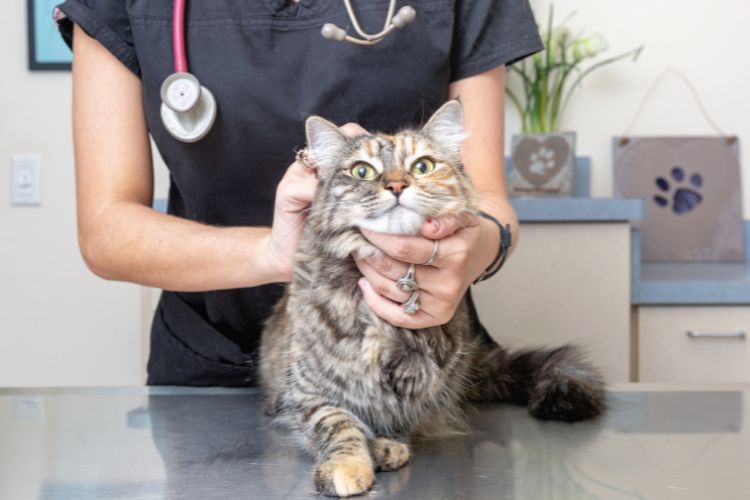
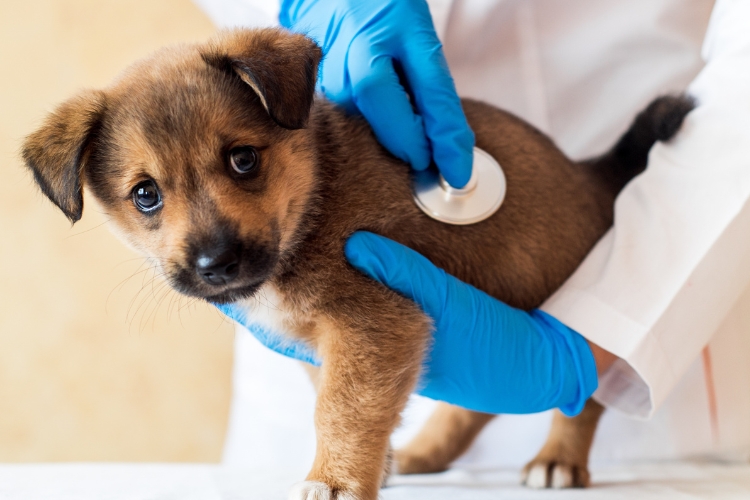
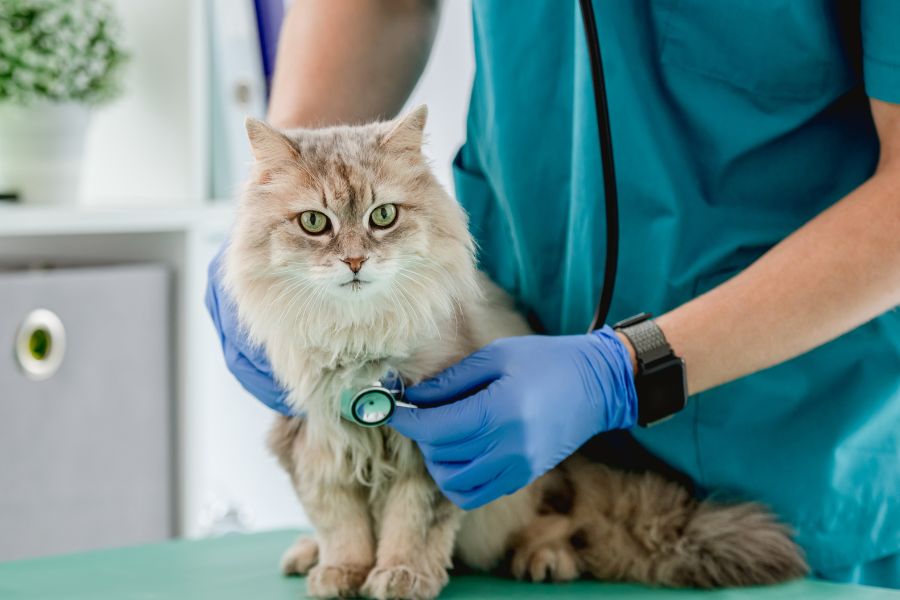
Your vet will conduct a thorough physical exam to assess your pet’s overall health, including checking vital signs, looking for lumps or bumps, and evaluating their eyes, ears, and skin.
Blood Tests and Screenings
Routine blood tests help detect conditions like kidney disease, diabetes, and anemia. These screenings are especially important for older pets as they help identify health issues early, often before symptoms are noticeable.
Vaccinations and Preventive Care
Your vet will ensure your pet is up to date on vaccines and recommend any necessary preventative treatments, such as flea and tick medications or heartworm prevention.
How Regular Vet Visits Can Extend Your Pet’s Lifespan
It’s not just about treating illness; regular veterinary visits play a key role in helping your pet live a longer life. By catching health issues early, your veterinarian can recommend treatment options that address the root cause rather than just the symptoms. For example, early detection of kidney disease in a dog or feline can result in a treatment plan that extends their life by years.
Additionally, preventative care, such as vaccinations and parasite control, can help prevent serious health conditions that could affect your pet’s lifespan. By committing to regular visits, you’re giving your pet the best possible chance at a long, healthy life.
The Emotional Benefits of Regular Veterinary Visits
Veterinary visits aren’t just important for your pet’s physical health. They also contribute to your pet’s emotional well-being. Pets that are in pain or discomfort often struggle to show it. A veterinarian has the tools and knowledge to spot signs of distress and provide solutions that improve their comfort.
Regular checkups allow your vet to build a relationship with your pet, making them more comfortable during visits. It can help reduce anxiety when they need medical treatment in the future.
Why You Shouldn’t Skip Your Pet’s Regular Checkups
The longer you wait between vet visits, the harder it becomes to address any health concerns that may arise. By the time symptoms become obvious, a condition may have already progressed too far to treat effectively. Skipping checkups can lead to:
- Untreated health conditions: Some diseases are silent in the early stages and can be missed during at-home checks.
- Poor quality of life: Conditions like dental disease, arthritis, or obesity can affect your pet’s quality of life, leading to pain and discomfort.
- Higher treatment costs: Early treatment is often less expensive than dealing with advanced stages of disease.
Protect Your Pet’s Health for the Long Run
Regular veterinary visits are essential for your pet’s long-term health and happiness. By prioritizing routine checkups, you’re giving your pet the best chance at a long, healthy life. Whether it’s detecting health problems early, providing vaccines, or giving advice on diet and exercise, your veterinarian plays a critical role in keeping your pet in top condition.
Remember, pets can’t always tell us when something is wrong. Regular vet visits ensure you don’t miss signs of potential health issues. Investing in your pet’s health now can save you both time, stress, and medical costs down the road.
If you’re in Tarpon Springs and you want to ensure that your pet is happy and healthy, book an appointment with Anclote Animal Hospital today. Our caring team is here to provide proficient care tailored to your pet’s needs.
FAQs
1. How often should I take my pet to the vet?
It’s recommended to take your pet to the vet at least once a year for a checkup. Senior pets may need more frequent visits to monitor their health.
2. What are the signs that my pet needs a vet visit?
Signs that your pet may need a vet include changes in appetite, behavior, vomiting, lethargy, or difficulty walking. A professional should check any persistent symptoms.
3. Can my pet get vaccines during a routine checkup?
Yes, most vaccinations can be given during a routine checkup. Your vet will ensure that your pet is up to date on their shots.
4. Is dental care important for my pet?
Dental health is crucial for your pet’s overall well-being. Regular checkups help monitor for dental diseases, and your vet can provide treatments to prevent oral health problems.
5. Does my pet need parasite prevention?
Yes, parasite prevention is essential for protecting your pet from harmful pests like fleas, ticks, and worms. Your vet can recommend the best treatments for your pet’s needs.
6. How can I reduce my pet’s stress during vet visits?
You can help reduce your pet’s stress by getting them used to car rides, bringing along their favorite blanket or toy, and keeping calm yourself during the visit.


Fast, Friendly Help
For New, Sick & Injured Pets!